
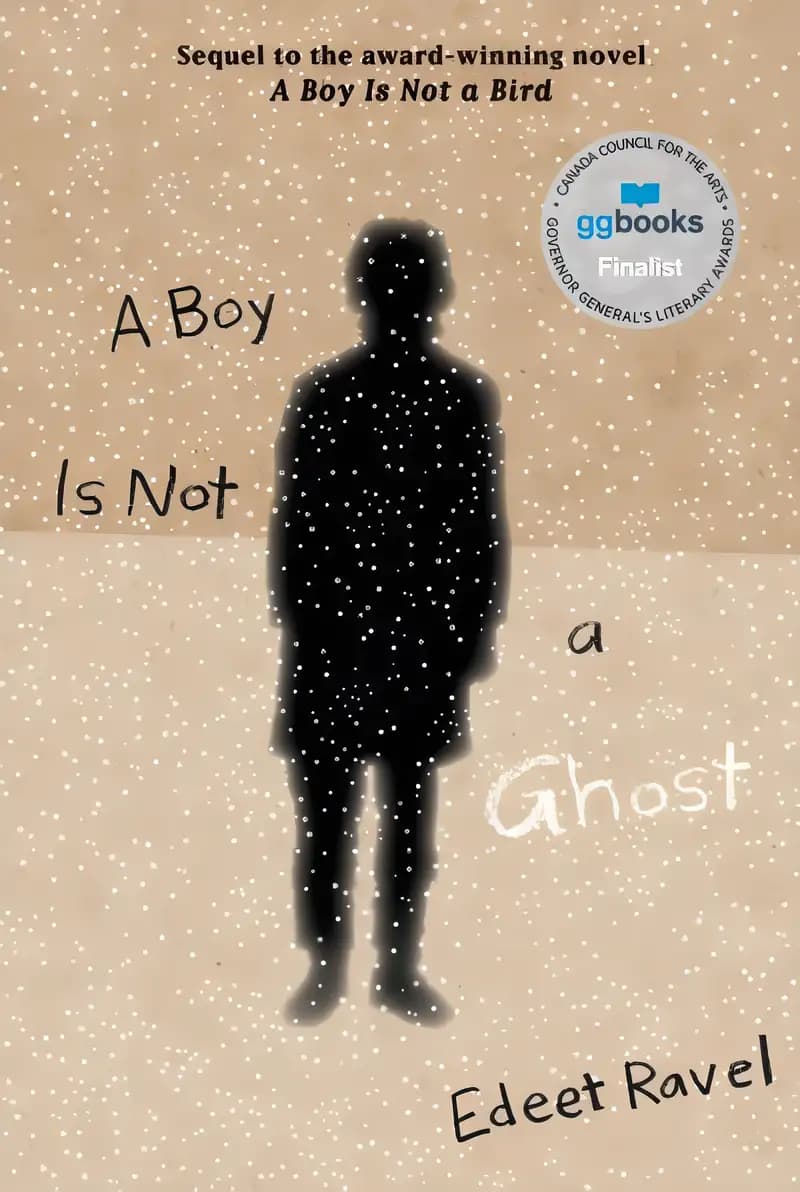
A Boy Is Not a Ghost
#2 in A Boy Is Not a Bird Series
on Goodreads (45)
What’s inside...
In this sequel to the award-winning 'A Boy Is Not a Bird', a boy named Natt is exiled to Siberia during World War II. Torn from his home in Eastern Europe, Natt's father is imprisoned in a Siberian gulag, and Natt finds himself stranded with other deportees in a schoolyard in Novosibirsk. As he struggles to survive, Natt writes coded letters to his best friend, Max, unsure if they will ever reach him. When his mother is falsely arrested, Natt must navigate life alone, learning to be invisible, changing his name and identity, and avoiding the attention of authorities. The story highlights the resilience and resourcefulness needed to survive in dire circumstances, while correlating to the Common Core State Standards in English Language Arts.
Character compass
Natt
Discussion points
How do you think Natt felt when he had to leave his home? What would you do in a similar situation?
What does the friendship between Natt and Max mean to you? Why is it important to have friends, especially in tough times?
Why do you think people in the story acted the way they did? What can we learn from their actions?
How do you think the story would change if it took place today? What would be different?
What are some ways Natt showed courage throughout his journey? Can you think of a time when you had to be brave?
Tip: Role play these questions
Encourage empathy by asking your child to put themselves in Natt’s shoes, contemplating the choices and feelings he experiences.
Highlight the importance of friendship and support during difficult times, discussing personal experiences with your child.
Facilitate critical thinking by discussing the characters' actions and their consequences, asking your child what they might have done differently.
Connect the story to current events if possible, to make the story more relatable and to enhance your child’s understanding of the world.
Reinforce the themes of bravery and resilience by sharing family stories of overcoming challenges, aligning them with Natt’s experiences.
Key lessons
Example Lesson: Resilience in adversity
Explanation: The protagonist faces significant challenges and changes, teaching children about coping and adapting.
Real-World Application: Kids can learn to face school and social challenges with a positive attitude and understand that difficulties are temporary.
Example Lesson: Empathy and understanding
Explanation: The story portrays diverse emotions and perspectives, encouraging children to understand others' feelings and situations.
Real-World Application: Children can apply empathy by supporting classmates or family members who are going through a tough time.
Example Lesson: Importance of family and community
Explanation: The book highlights the protagonist’s relationships with family and friends, underscoring the strength gained from these bonds.
Real-World Application: Children are encouraged to appreciate and cherish the support system around them, promoting closeness and cooperation at home and in community settings.
Example Lesson: Courage to confront fears
Explanation: The main character often faces fearful situations but learns to overcome them bravely.
Real-World Application: This lesson can inspire children to tackle their fears, whether it's trying out for a school play, making new friends, or standing up for what is right.
Example Lesson: Growth through experience
Explanation: As the character endures various trials, they learn and mature, showing the value of personal development.
Real-World Application: Kids learn that making mistakes is a part of growing up and that these experiences contribute to their own personal development.