
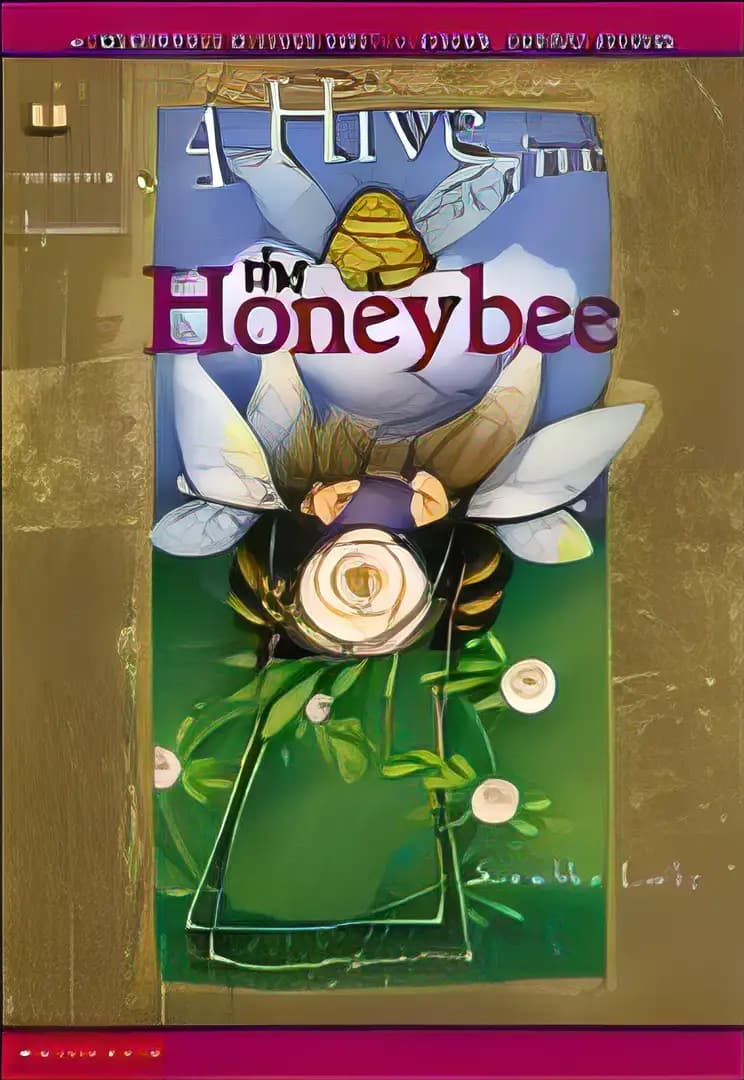
A Hive for the Honeybee
What’s inside...
After befriending two unusual, philosophical drones, worker bees Thora and Belle begin to see their surroundings, purpose, and future differently. This story, emerging from the lyrical tradition of Irish writing, portrays a radical shift in the bees' perspectives, earning a nomination for Ireland's Bisto Book of the Year Award.
Age
9-10
Length
240 pages
Text complexity
Character compass
Thora
Belle
Queen Bee
Ebony
Discussion points
How do you think Thora felt when she was searching for her role in the hive? Can you relate to a time when you were trying to find your own place in a group?
What lessons can we learn from the bees about working together and supporting each other?
Why do you think the author chose bees to tell this story? What special qualities do bees have that might relate to the message of the book?
How did the characters change throughout the story, and what caused those changes?
If you were a bee, what role would you choose in the hive and why?
Tip: Role play these questions
Before reading, briefly discuss bees’ roles in our ecosystem to provide context which may enrich your child’s understanding and interest in the story.
Ask open-ended questions to encourage your child to think deeply about the story and to express their thoughts and feelings.
Relate the story to your child’s experiences, such as working together on a project or feeling different, to make the themes more relevant.
After reading, let your child explain what they liked or didn’t like about the book, fostering a habit of critical thinking and personal expression.
Encourage your child to draw or write about a new character they would add to the story, which helps them use their imagination and integrate their ideas with the book’s themes.
Key lessons
Example Lesson: Understanding the importance of community
Explanation: In 'A Hive for the Honeybee,' the bees work together to ensure the survival and functioning of their hive, representing the value of teamwork and community.
Real-World Application: Children can apply this by participating in group activities, helping out at home, or engaging in community service, learning that collaboration can achieve common goals.
Example Lesson: Valuing individuality within a society
Explanation: The story highlights how each bee, although part of the colony, has unique qualities and roles, showing that individual contributions are vital for the success of the whole.
Real-World Application: This teaches children to appreciate their own unique talents and abilities, and understand how these can be used to contribute positively to their own communities.
Example Lesson: The importance of altruism
Explanation: Characters in the book often make sacrifices for the greater good of the hive, teaching the virtue of selflessness.
Real-World Application: Children learn the importance of thinking about others' needs and acting in ways that help and support those around them without expecting anything in return.
Example Lesson: Courage and facing fears
Explanation: Throughout the book, bees face various challenges and threats from outside their hive, which teaches the importance of courage in overcoming fears and obstacles.
Real-World Application: Children can relate this to facing their own challenges like trying new activities, standing up for themselves, or dealing with changes in life.
Example Lesson: Environmental awareness
Explanation: The bees' dependence on their habitat for survival illustrates the necessity of taking care of the environment.
Real-World Application: This can encourage children to engage in environmentally friendly practices such as recycling, conserving water, and learning more about local wildlife and plants.