
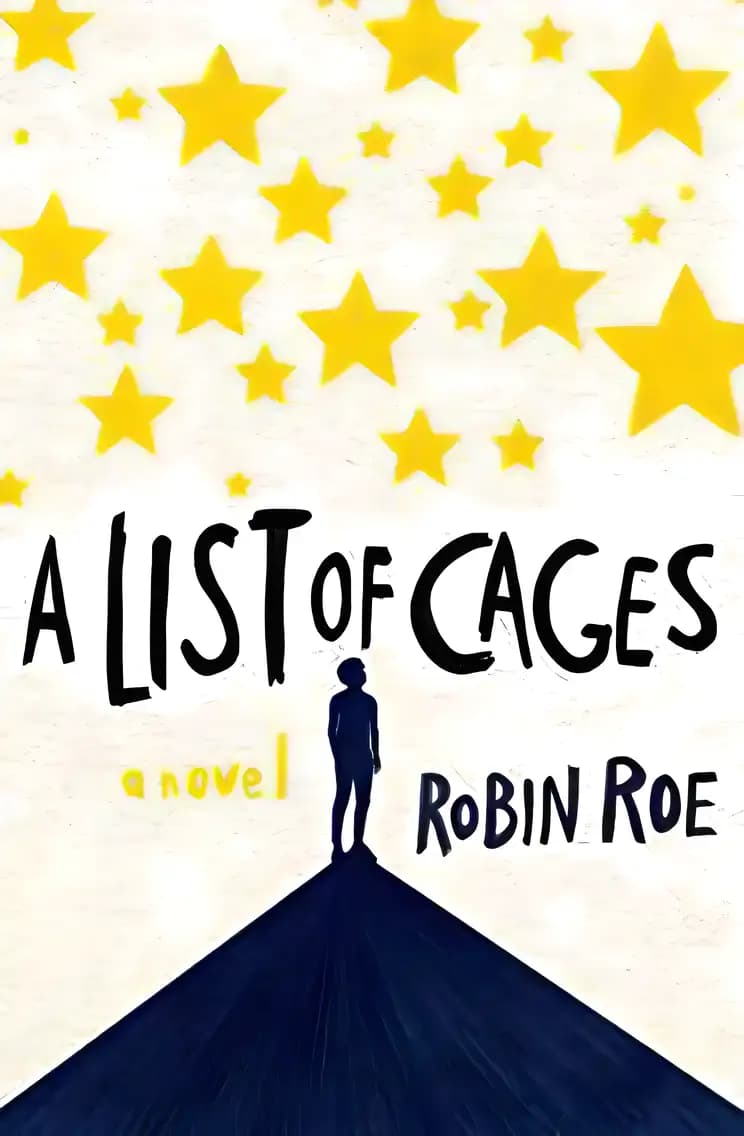
A List of Cages
on Goodreads (26,699)
What’s inside...
When Adam Blake lands the best elective ever in his senior year, serving as an aide to the school psychologist, he thinks he’s got it made. Sure, it means a lot of sitting around, which isn’t easy for a guy with ADHD, but he can’t complain, since he gets to spend the period texting all his friends. Then the doctor asks him to track down the troubled freshman who keeps dodging her, and Adam discovers that the boy is Julian—the foster brother he hasn’t seen in five years. Adam is ecstatic to be reunited. At first, Julian seems like the boy he once knew. He’s still kindhearted. He still writes stories and loves picture books meant for little kids. But as they spend more time together, Adam realizes that Julian is keeping secrets, like where he hides during the middle of the day, and what’s really going on inside his house. Adam is determined to help him, but his involvement could cost both boys their lives…
Age
13-18
Length
310 pages
Text complexity
Character compass
Adam Blake
Julian
Emerald
Charlie
Russell
Discussion points
How did the relationship between Adam and Julian evolve throughout the story and what do you think brought them closer?
Julian faces many challenges in 'A List of Cages.' Can you identify a moment in the book that made you feel hopeful for him?
What are some differences between how Adam and Julian cope with their struggles? Which approaches can be helpful in real life?
Why do you think the author chose to write the story from two different perspectives, and how did that affect your understanding of the characters?
Can you think of ways we as a community can help individuals who are going through experiences like Julian's?
Tip: Role play these questions
Begin the conversation with a general discussion about friendship and trust, which are central themes in the book. This will set a foundation for a deeper discussion.
Encourage empathy by asking your child how they would feel in Julian’s situation, helping them connect personally with the character’s experiences.
Highlight the resilience shown by characters in the book and discuss with your child how people can support each other during tough times.
Ask open-ended questions that allow your child to express their thoughts and feelings about the story, which can provide insights into their understanding and emotions.
Discuss the importance of seeking help when needed and the various forms of support that the characters in the book receive, reinforcing the idea that it’s okay to ask for help.
Key lessons
Example Lesson: Empathy and understanding
Explanation: The book depicts the protagonist, Adam, as he learns about and navigates the troubled life of his foster brother, Julian. Through their interactions, readers see the importance of empathy.
Real-World Application: Children can learn to recognize when their peers might be struggling and offer support or seek help from trusted adults.
Example Lesson: The impact of kindness
Explanation: As Adam shows unwavering kindness towards Julian, readers witness how small acts of kindness can have a transformative impact on someone who is facing difficulties.
Real-World Application: Children can practice everyday kindness, such as sharing, listening, or simply being a friend to others, which can significantly brighten someone's day and foster positive relationships.
Example Lesson: Resilience in adversity
Explanation: Julian's character embodies resilience, enduring hardship with courage. His journey provides a narrative on overcoming obstacles with determination.
Real-World Application: This can inspire children to face their own challenges with bravery and to understand that they can overcome difficulties with perseverance and support.
Example Lesson: Importance of seeking help
Explanation: The story highlights the importance of seeking help through Adam and Julian’s experiences. This teaches the reader that reaching out for support is a strength, not a weakness.
Real-World Application: Children can learn to ask for help when they are facing challenges, whether it's needing assistance with schoolwork or dealing with personal issues.
Example Lesson: Awareness of mental health
Explanation: The book addresses complex mental health issues through Julian’s struggles. It provides an opening to discuss mental health openly and sensitively.
Real-World Application: This can encourage children to be mindful of their own mental health and the mental health of others, promoting a healthier, more understanding community.