
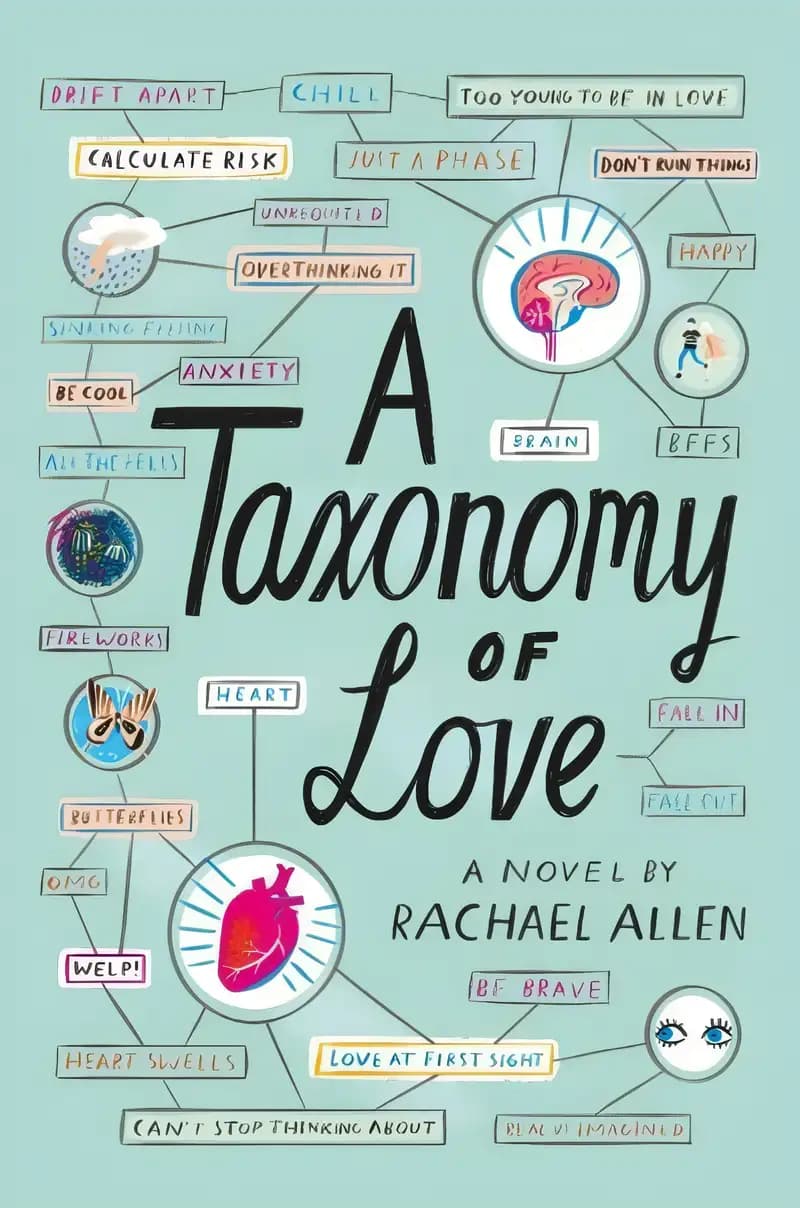
A Taxonomy of Love
on Goodreads (2,033)
What’s inside...
The moment Spencer meets Hope the summer before seventh grade, it's . . . something at first sight. He knows she's special, possibly even magical. The pair become fast friends, climbing trees and planning world travels. After years of being outshone by his older brother and teased because of his Tourette syndrome, Spencer finally feels like he belongs. But as Hope and Spencer get older and life gets messier, the clear label of 'friend' gets messier, too. Through sibling feuds and family tragedies, new relationships and broken hearts, the two grow together and apart, and Spencer, an aspiring scientist, tries to map it all out using his trusty system of taxonomy. He wants to identify and classify their relationship, but in the end, he finds that life doesn't always fit into easy-to-manage boxes, and it's this messy complexity that makes life so rich and beautiful.
Age
12-13
Length
336 pages
Text complexity
Character compass
Spencer Barton
Hope
Dean Barton
Discussion points
How did the relationship between Spencer and Hope evolve throughout the story, and what does that teach us about the nature of love and friendship?
What challenges did Spencer face with his Tourette syndrome, and how did he manage them? How do you think you would feel in his situation?
In what ways did the characters in the book show kindness or understanding toward each other? Can you think of a time when you showed kindness to someone else?
How do the characters in the book handle disagreements or conflicts? What can we learn from their actions?
The timeline of the story spans several years. How do the characters change over time, and what factors influence their growth and decisions?
Tip: Role play these questions
Encourage your child to express their thoughts and feelings about the book by relating the characters’ experiences to their own life.
Use the evolving relationship between Spencer and Hope as a conversation starter to discuss the complexities of friendships and romantic relationships.
Discuss Spencer’s experiences with Tourette syndrome to build empathy and understanding about different disabilities and challenges people face.
Highlight moments of conflict resolution in the book to teach your child about the importance of communication and compromise in relationships.
Ask your child to consider how they have changed over time, similar to the characters in the book, to promote self-reflection and personal growth.
Key lessons
Example Lesson: Understanding and managing emotions
Explanation: The protagonist, Spencer, navigates complex emotions including love and jealousy, providing a mirror to real emotional challenges.
Real-World Application: Children can learn to identify and talk about their feelings, improving their emotional intelligence and ability to handle interpersonal relationships.
Example Lesson: Empathy and compassion
Explanation: Spencer's journey with his brother who has Fragile X syndrome highlights the importance of understanding and supporting those with disabilities.
Real-World Application: This encourages children to be considerate and supportive towards peers who may have different needs or challenges.
Example Lesson: Resilience in the face of adversity
Explanation: Throughout the book, Spencer faces various obstacles and learns to persevere, showing the readers that resilience is key to overcoming difficulties.
Real-World Application: Kids are motivated to persist through their own challenges, whether they're academic, social, or personal.
Example Lesson: The impact of communication in relationships
Explanation: Spencer’s relationships evolve through dialogue and interactions, demonstrating how communication is pivotal.
Real-World Application: This lesson can help children understand the importance of clear and honest communication in maintaining healthy relationships.
Example Lesson: Acceptance and personal growth
Explanation: The characters in the book learn to accept each other's differences and grow from their experiences, illustrating the beauty of diverse friendships and personal development.
Real-World Application: Children learn the value of accepting others and themselves, fostering an inclusive environment and personal confidence.