
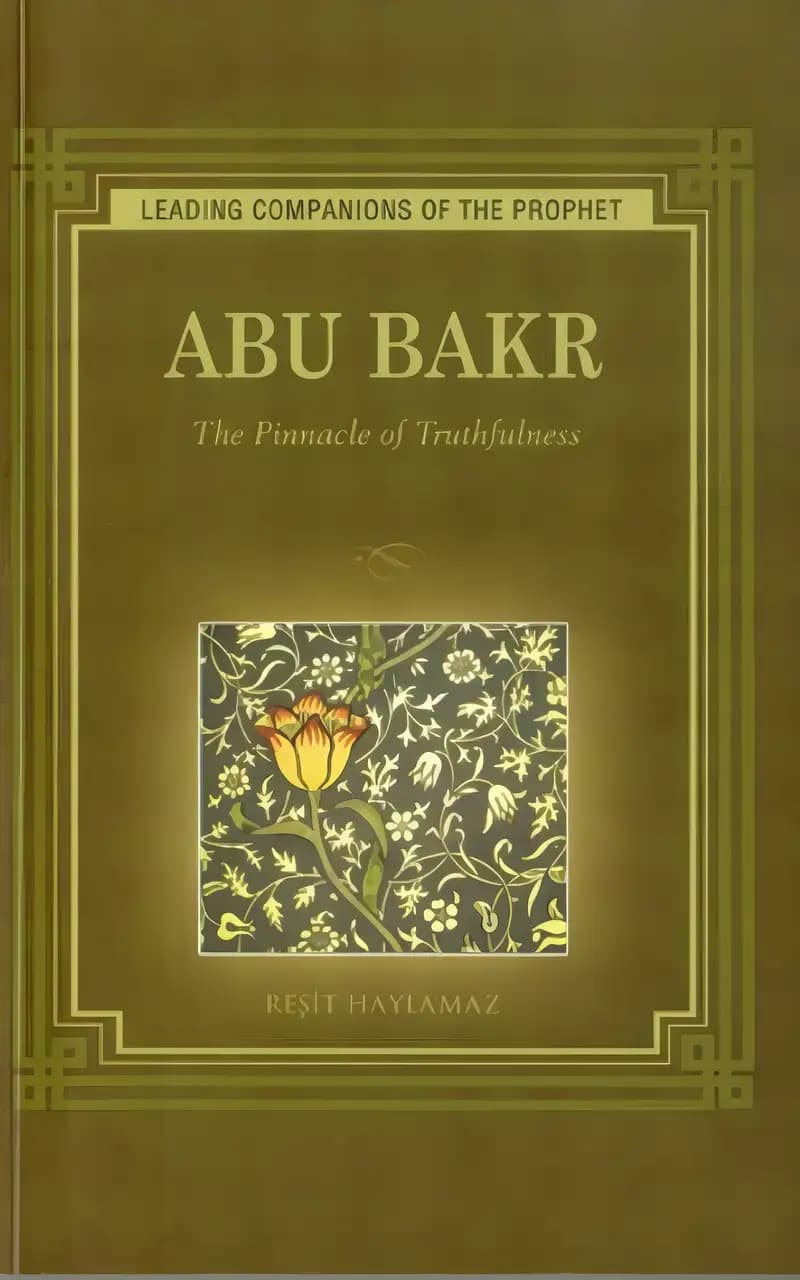
Abu Bakr: The Pinnacle of Truthfulness (Leading Companions of the Prophet)
on Goodreads (38)
What’s inside...
This book is about Abu Bakr, the first Caliph to rule the world of Islam after the Prophet Muhammad. More important than his achievements as a state leader was his close companionship with Prophet Muhammad, a relationship that earned him the name al Siddiq. He was the only Companion who was privileged to ride alongside the Prophet Muhammad in his great migration to Madina, a turning point in the history of Islam. This book analyzes his exemplary life, his relationship with the Prophet, and his unique role in the birth period of Islam.
Why read this book
- Inspires with true stories of integrity and commitment.
- Highlights strong role models for moral development.
- Educational content enriches historical knowledge.
Age
13-16
Length
175 pages
Text complexity
Character compass
Abu Bakr As-Siddiq
Aisha Bint Abu Bakr
Ali Ibn Abi Talib
Uthman Ibn Affan
Umar Ibn Al-Khattab
Prophet Muhammad
Discussion points
What qualities did Abu Bakr demonstrate that made him a trusted companion of the Prophet?
How can the story of Abu Bakr inspire us to be truthful and loyal in our own lives?
What challenges did Abu Bakr face and how did he overcome them?
Why is truthfulness important in our relationships with others?
Tip: Role play these questions
Use examples from the book to highlight the importance of truthfulness and loyalty, asking your child how they can apply these qualities in their own life.
Discuss the historical context of Abu Bakr's life, explaining how his character played a crucial role in the early Islamic community.
Encourage your child to think about the people they trust and why trust is a foundational aspect of any relationship.
Emphasize the impact of individual actions on a larger community, prompting your child to think about how their actions affect those around them.
Key lessons
Example Lesson: Integrity
Explanation: The book illustrates Abu Bakr's unwavering commitment to honesty and truth, showcasing his refusal to compromise on his values even in challenging situations.
Real-World Application: Children can learn to uphold honesty in their interactions and decision-making, strengthening their character and relationships.
Example Lesson: Leadership
Explanation: Abu Bakr's role as a supportive and wise leader to his community demonstrates effective leadership qualities like empathy, decisiveness, and vision.
Real-World Application: Children can learn to take initiative in group activities, listen to others, and make inclusive decisions that benefit everyone involved.
Example Lesson: Resilience
Explanation: The story portrays how Abu Bakr faced adversity and challenges with strength and perseverance, maintaining his faith and principles.
Real-World Application: Children can apply resilience by staying determined and positive in the face of school challenges or personal setbacks.
Example Lesson: Compassion
Explanation: Abu Bakr’s kindness and concern for the welfare of others, including those less fortunate, are highlighted in various instances throughout the book.
Real-World Application: Children can learn to show empathy and take actions that help others in their community, cultivating a nurturing and supportive environment.
Example Lesson: Lifelong Learning
Explanation: Abu Bakr's journey emphasizes the importance of seeking knowledge and wisdom throughout life.
Real-World Application: Children can be encouraged to remain curious and enthusiastic about learning, exploring new subjects and ideas regularly, both inside and outside of school.