
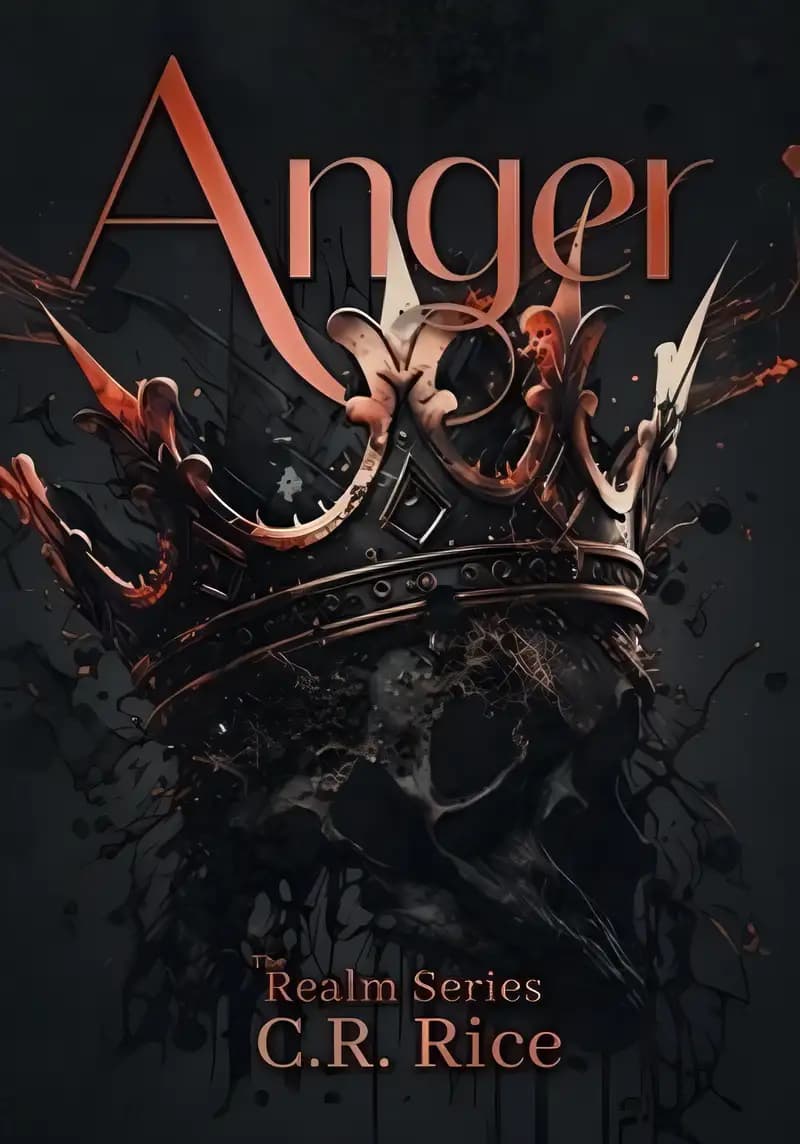
Anger
#2 of 4 in The Realm Series
on Goodreads (14)
What’s inside...
As they make their way into the Realm, Averie and Silas find themselves in a race against time as they strive to remain undetected in their rush to meet up with the Rebellion. Along the way, they meet a surprising new ally with alluring secrets and deadly motives of his own and come face to face with the ultimate enemy. As Averie struggles to find her place and adapt to the world around her, training takes on a whole new meaning when Callen takes over as her trainer. Using unconventional methods, he forces her to deal with the past and accept what she cannot change. While Silas fights to keep his past from colliding with his present, his lies draw the unwanted attention of an old friend. When everyone Averie cares about is threatened, she is forced to the frontlines, whether she is ready for it or not. Step foot into new worlds and prepare for war.
Discussion points
How did the characters in the book handle their feelings of anger?
Can you think of a time you felt like the characters? What did you do?
What are some ways we can calm down when we feel angry?
Why is it important to talk about our feelings?
How do you think the story would change if the characters acted differently when angry?
Tip: Role play these questions
While reading, pause at key moments to ask your child how they think a character is feeling, helping them connect emotionally with the narrative.
Use the illustrations in the book to talk about non-verbal cues of anger and ask your child to describe what they see.
After reading, encourage your child to draw a picture of a scene where a character was angry and discuss what's happening in their artwork.
Relate the scenarios in the book to real-life situations your child might encounter, guiding them to apply the lessons learned from the book.
End the discussion on a positive note, reinforcing the idea that it’s okay to feel angry and there are healthy ways to deal with these emotions.
Key lessons
Example Lesson: Understanding and Managing Emotions
Explanation: The book 'Anger' guides children through the process of recognizing and naming their feelings of anger, illustrating through the protagonist's experiences.
Real-World Application: Children can learn to identify when they are feeling angry and use words to express their emotions instead of acting out.
Example Lesson: Empathy Development
Explanation: Through interactions between characters, 'Anger' demonstrates the impact of one's emotions on others, encouraging children to consider how their actions affect those around them.
Real-World Application: This lesson helps children understand the perspectives of others and can improve their interactions with peers by promoting kindness and understanding.
Example Lesson: Problem-Solving Skills
Explanation: The protagonist faces various scenarios where anger arises, and solutions are modeled to handle these situations constructively.
Real-World Application: Children can apply these problem-solving approaches when they encounter conflicts or challenging situations in school or at home.
Example Lesson: Self-Control
Explanation: The book illustrates the importance of controlling reactions to feelings of anger, showing the protagonist learning and applying self-control techniques.
Real-World Application: This teaches children self-regulation skills, helping them to pause and think before reacting in emotional situations.
Example Lesson: Communication
Explanation: Characters in 'Anger' are depicted having open conversations about their feelings, demonstrating healthy ways to communicate when feeling upset.
Real-World Application: Encourages children to openly discuss their feelings with family and friends, aiding in emotional maturity and relationship building.