
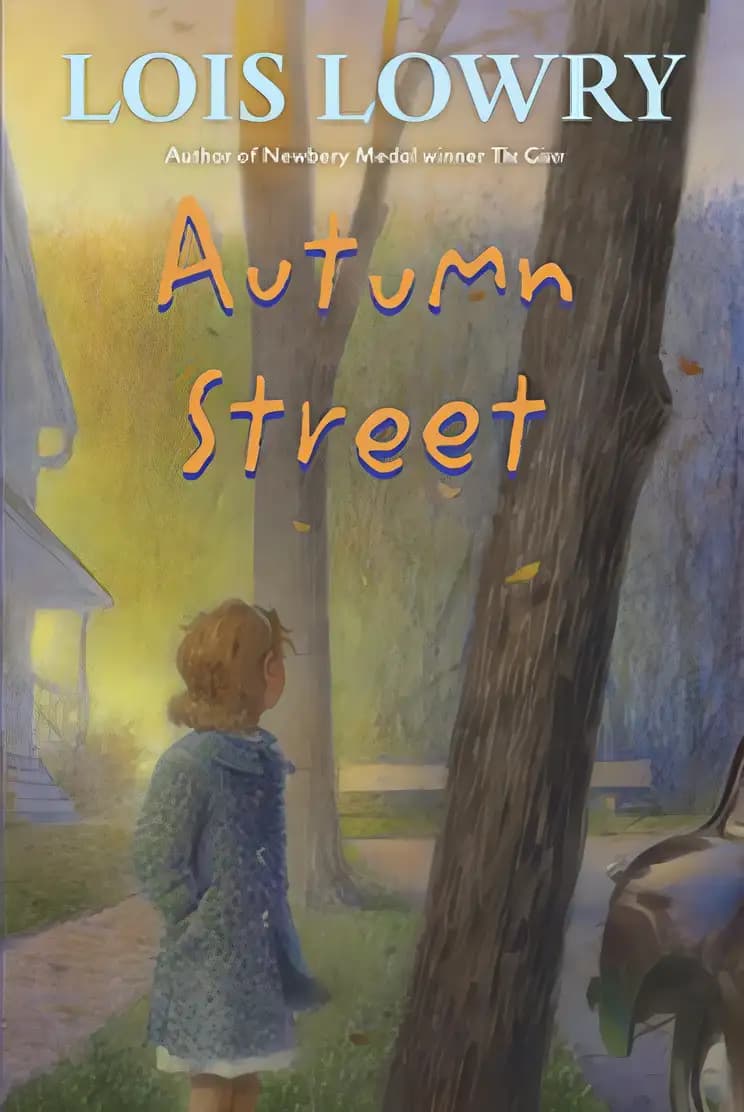
Autumn Street
on Goodreads (980)
What’s inside...
There are things to be afraid of in the woods at the end of Autumn Street. But the year she goes to live in her grandfather's big house—while her father is fighting in World War II—Elizabeth can't put a name to those dark, shadowy fears. But she finds solace in her friendship with Charles, a boy who teaches her to take risks. Together the two children try to interpret an adult world that is always puzzling and often cruel. Together, on a day when snow obscures everything but terror, they leave that world behind and enter the world that is waiting in the woods. This lovely repackaged edition features a new introduction by the author.
Age
9-12
Length
224 pages
Text complexity
Character compass
Elizabeth
Elizabeth'S Mother
Charles
Tatie
Grandma
Discussion points
How did the relationship between Elizabeth and Tatie change throughout the story?
What do you think about the choices the characters made and how they impacted others?
How do you feel about the way the story addressed difficult topics like racism and loss?
What can we learn from the way Tatie and Elizabeth supported each other?
How does the setting in Autumn Street add to the story's emotional impact?
Tip: Role play these questions
Encourage your child to express their feelings about the story's events and characters, emphasizing that all perspectives are valid.
Discuss the historical context of the story to give your child a richer understanding of the deeper themes.
Use examples from the book to talk about difficult topics like racism and loss in an age-appropriate way.
Point out passages that show the development of friendship between Elizabeth and Tatie to spark a conversation about the importance of supportive relationships.
Ask your child to imagine alternative endings for the story and discuss how those changes would affect the characters and message of the book.
Key lessons
Example Lesson: Understanding diversity and tolerance
Explanation: In 'Autumn Street', two children from different backgrounds form a friendship, navigating their diverse worlds together. This shows the beauty of inclusivity and acceptance.
Real-World Application: Children can apply this lesson by embracing classmates who may come from different cultures or backgrounds, fostering a supportive and inclusive environment at school.
Example Lesson: Coping with loss
Explanation: The narrative touches on the theme of loss as the protagonist deals with the absence and later death of a friend. It illustrates the process of grief and ultimately, healing.
Real-World Application: This can help children understand that feeling sad is a part of life, and it's okay to miss someone. It encourages them to seek support and express their feelings.
Example Lesson: Value of memories
Explanation: The story highlights how memories can provide comfort and a sense of continuity, especially in times of change or loss.
Real-World Application: Children learn the importance of cherishing memories with loved ones and how those memories can be a source of comfort during tough times.
Example Lesson: Impact of war on families
Explanation: Set during World War II, the book shows the challenges families face during times of conflict, including the strains of separation and anxiety over the safety of loved ones.
Real-World Application: This lesson can teach children empathy towards those who experience such difficulties and understand the broader impact of global issues on individual families.