
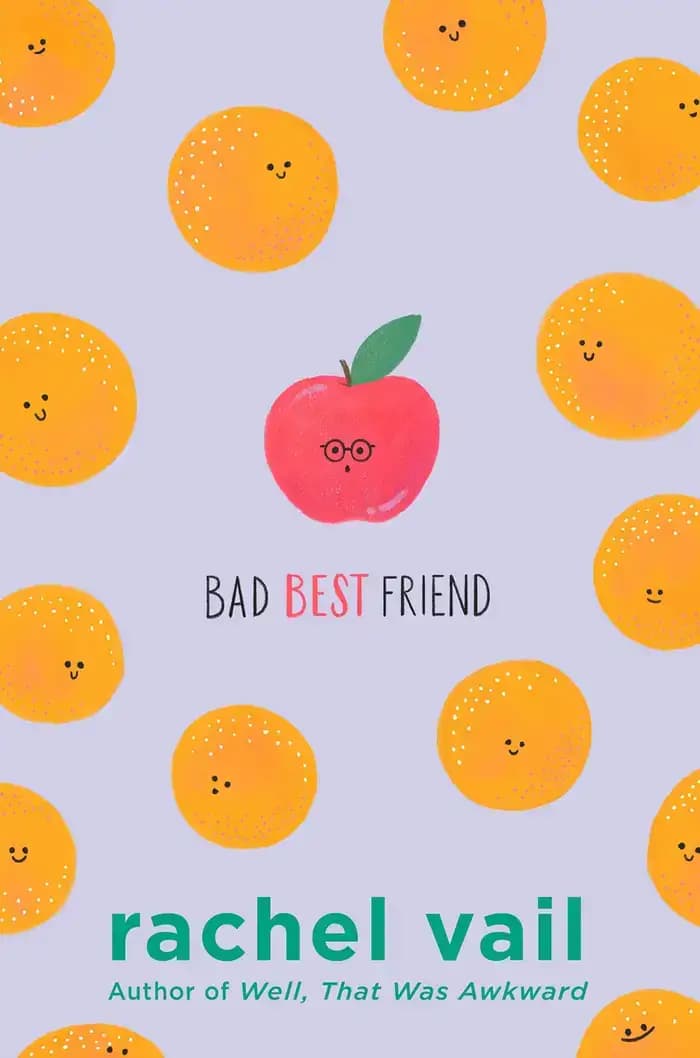
Bad Best Friend
#3 of 4 in The Friendship Ring Series
on Goodreads (666)
What’s inside...
Niki Ames is excited to start eighth grade with her best friend Ava, but her world is turned upside down when Ava chooses someone else as her gym class partner. Niki is forced to reevaluate her friendships and her own desires as she navigates the challenges of middle school. Meanwhile, her home life is strained as her younger brother Danny, who is likely on the autism spectrum, struggles with behavioral issues and her mother refuses to acknowledge the problem. Niki grapples with her own identity and what it means to be popular, a good sister, and a true friend.
Character compass
Nikiski
Ronald Reagan
Ava
Discussion points
Why do you think Niki felt pressured to change herself for others?
How do the characters in the book show signs of growth and change over time?
What would you do if you were in Niki's situation with her friends?
How do you think honest communication can solve issues between friends?
Tip: Role play these questions
Encourage your child to express their thoughts on friendship and peer pressure as discussed in 'Bad Best Friend'. Listen actively and validate their feelings. Relate the scenarios in the book to real-life situations your child might encounter, and discuss possible ways of handling them. This not only strengthens reading comprehension but also equips them with social skills.
Key lessons
Example Lesson: Navigating Friendship
Explanation: In 'Bad Best Friend,' the protagonist, Niki, deals with the complexities and hardships of friendships, especially when her best friend suddenly becomes part of the popular crowd and leaves her behind.
Real-World Application: Children learn the importance of understanding and managing their own emotions and relationships. This can help them be more resilient and empathetic in handling social issues at school or in the community.
Example Lesson: Self-Identity and Confidence
Explanation: The story showcases how Niki begins to discover her own identity and gain confidence after being ostracized by her best friend.
Real-World Application: This lesson can encourage children to explore and embrace their individuality, fostering a strong sense of self-worth.
Example Lesson: Consequences of Actions
Explanation: As the story unfolds, readers see how the actions of Niki's best friend affect their friendship and her own social standing.
Real-World Application: It teaches children to consider the consequences of their actions on others, promoting a more thoughtful and caring approach to interactions.
Example Lesson: Forgiveness and Reconciliation
Explanation: Towards the end of the book, there is a theme of forgiveness and reconciliation between Niki and her former friend.
Real-World Application: This can help children understand the value of forgiveness and how to mend relationships when conflicts arise.