
on Goodreads (6)
What’s inside...
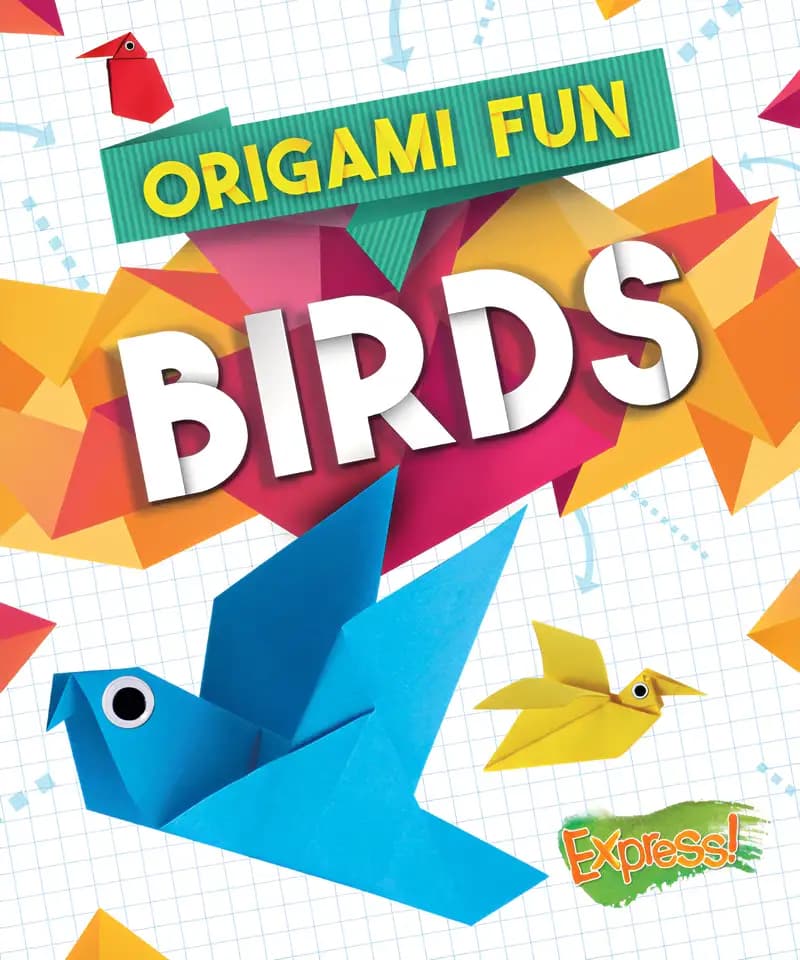
A flock of many different birds is ready to be assembled in this makerspace title. Origami outlines ensure that young crafters will not have to 'wing it' when it comes to making paper birds. Along with the clear folding instructions are bonus bird facts that just might turn kids into birders!
Series reading
Non-Sequential
Age
8-12
Length
24 pages
Text complexity
Discussion points
What kind of bird would you like to be and why?
How do you think birds feel when they fly?
Can you describe the nest you would build if you were a bird?
Why do you think birds sing?
What can we do to help protect birds in our environment?
Tip: Role play these questions
Encourage your child to observe birds in their natural environment, either through a window or during a walk, and relate those observations back to the book.
Use the illustrations in the book to help your child name different types of birds and their characteristics.
Discuss the importance of habitats and environments for birds, tying in themes of ecology and conservation from the book.
Ask your child to express what they felt about the story through drawing or acting out scenes, enhancing their understanding and emotional connection to the content.
Prompt your child to think about the perspective of the birds in the book, fostering empathy and curiosity about nature.
Key lessons
Example Lesson: Appreciation of Nature
Explanation: Through vivid illustrations and engaging text, 'Birds' by Robyn Hardyman encourages young readers to notice and appreciate the diversity and beauty of birds in their natural habitats.
Real-World Application: Children can be encouraged to observe birds and wildlife in their own surroundings, fostering a lifelong respect and care for the environment.
Example Lesson: Observation Skills
Explanation: 'Birds' details various bird species and their characteristics, pushing children to pay closer attention to details and differences.
Real-World Application: Enhanced observation skills can help children in academic settings and in everyday problem solving by encouraging attention to detail and critical thinking.
Example Lesson: Importance of Conservation
Explanation: The book touches on the habitats of birds and the impacts of human activity, teaching children the importance of ecological conservation.
Real-World Application: This lesson can motivate children to participate in, or advocate for, environmental conservation activities like recycling, clean-ups or wildlife protection programs.