
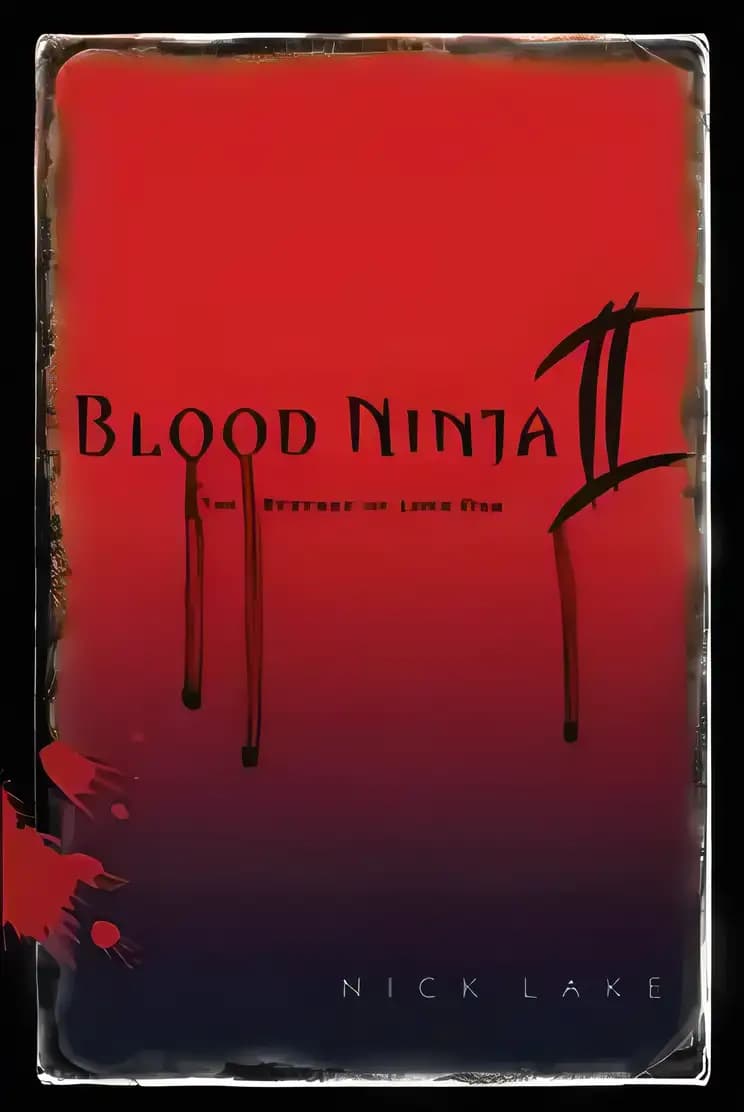
Blood Ninja II: The Revenge of Lord Oda
#2 in Blood Ninja Series
on Goodreads (743)
What’s inside...
Now that the vile Lord Oda is dead, Taro and his friends are safe in the mountain lair of the ninjas. Or so they think. When a homing pigeon arrives with news of Taro's mother's whereabouts, Taro sets out for the Tendai monastery - without stopping to consider why the pigeon, which was given to his mother months ago, took so long to arrive. Soon, Taro, Hana and Hiro find themselves in a trap, as strange new creatures invade their lives and familiar enemies surround them and the most deadly enemy of all is their old friend Yukiko. In the end, despite his vampire abilities, Taro is helpless to prevent the death of his mother. Furious and grief stricken, haunted by her mute and beseeching ghost, he determines to recover the object which Lord Oda was so desperate to procure before he died: the Buddha Ball, source of limitless power. There are just two problems: first, Lord Oda is not dead. And second, the Buddha Ball is not where Taro thought. If Taro is to fulfill his destiny, he must face his arch enemy on an equal battlefield - for Lord Oda is a vampire now too. And then, to make peace with his mother, and recover the Buddha ball, Taro must go to hell and back...
Character compass
Taro
Hiro
Yukiko
Lord Oda
Discussion points
How do the choices Taro makes in the story reflect on his sense of duty and honor?
What similarities and differences do you notice between the friendships in the book and your own friendships?
How do the characters confront and overcome their fears throughout the novel?
What lessons can you learn from the consequences faced by the characters based on their actions?
In what ways did the settings influence the plot and the decisions of the characters?
Tip: Role play these questions
Use open-ended questions that allow your child to express their thoughts and feelings about the story. Avoid yes or no questions to encourage deeper conversation.
Draw parallels between the story and the child’s life. This can make the themes more relatable and easier to discuss.
Ask your child to pick their favorite character and explain why, delving into discussions on character development and moral choices.
Encourage your child to imagine alternative endings or plot twists and discuss how those changes would affect the story and its characters.
Highlight the cultural aspects within the story to broaden the scope of the conversation to include history and tradition.
Key lessons
Example Lesson: The importance of perseverance
Explanation: Throughout 'Blood Ninja II,' the protagonist faces numerous challenges and setbacks in his quest for revenge. Despite the obstacles, his determination never wavers, demonstrating the power of perseverance.
Real-World Application: Children can apply this lesson by staying committed to their goals, whether in academics, sports, or personal hobbies, even when they face difficulties.
Example Lesson: The value of friendship
Explanation: The book showcases strong bonds between the characters who support each other in times of need. This highlights how valuable friendship is, especially during tough times.
Real-World Application: Kids can learn to value and nurture their friendships, understanding that true friends stand by each other through thick and thin.
Example Lesson: Understanding consequences
Explanation: The protagonist's actions for revenge have various consequences, teaching that every action, good or bad, has results that follow.
Real-World Application: This can help children understand the importance of thinking through their decisions and considering the potential outcomes before acting.
Example Lesson: The power of integrity
Explanation: In several instances, characters in the story face moral dilemmas. Choosing to act with integrity, even when it's difficult, is a key theme.
Real-World Application: Children can learn the importance of being honest and making choices that align with their values, which helps build character.