
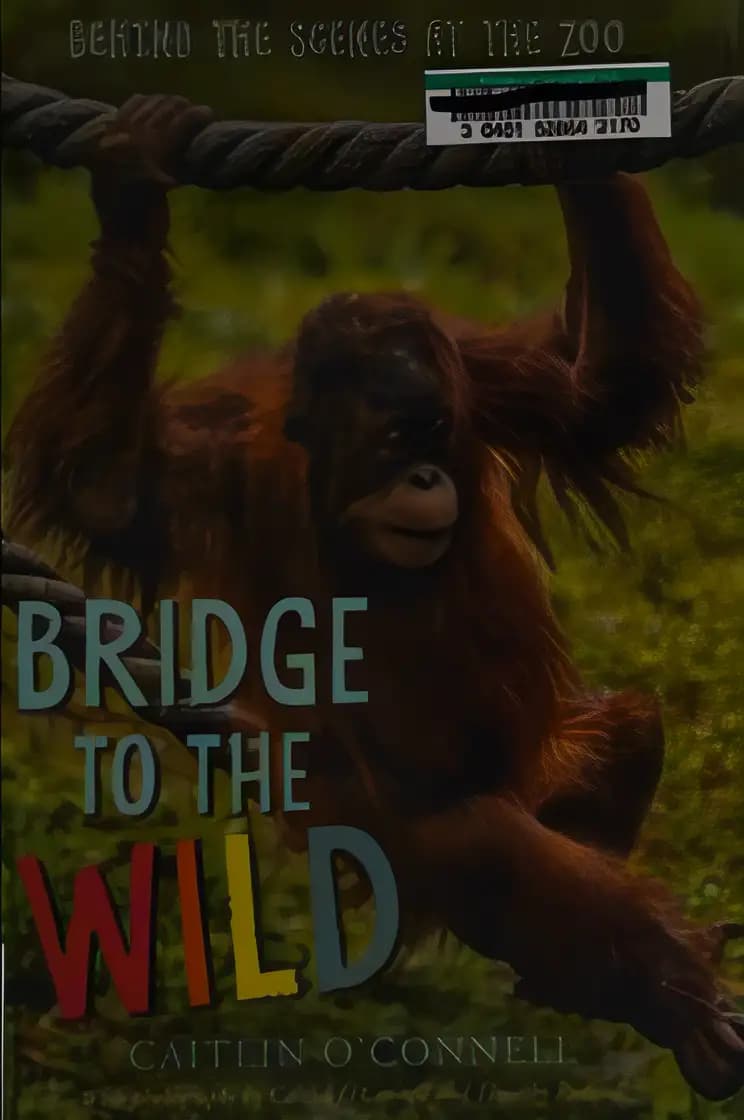
Bridge to the Wild: Behind the Scenes at the Zoo
What’s inside...
Hear crisp sounds of the hornbill in the cool air. Listen to the morning symphony that greets you as you enter the front gate. Then, step onto a leafy path that leads to a secret world of animals, each of whom you won't want to forget, here at Zoo Atlanta. Over five days we meet a menagerie of magnificent animals—pandas, elephants, gorillas, meerkats, flamingos and more—alongside the longtime animal lover, scientist, and researcher Caitlin O'Connell. With inside access to the guidance and knowledge of their beloved zoo caretakers and with stunning photographs, we are able to see the day-to-day marvels—and sometimes misfortunes—behind the animals' enclosures that often go unseen by the everyday zoo visitor. In this example of narrative nonfiction at its best, O'Connell has created a bridge to wild, a rare chance to look beyond the zoo and to inspire guests to see for themselves just how special the animals we share our world with are.
Age
10-12
Length
208 pages
Text complexity
Character compass
Caitlin O'Connell
Discussion points
What did you learn about the daily activities of the zookeepers?
How do you think the animals feel living in the zoo compared to the wild?
What are some ways the zoo helps animals?
Can you think of any questions you would ask a zookeeper if you visited the zoo?
Which animal from the book would you like to learn more about and why?
Tip: Role play these questions
Encourage your child to express their thoughts and feelings about the book by showing genuine interest in their responses. Ask them to relate the zoo animals' experiences to their own or their pets’ lives, which can help them connect more deeply with the book’s content. Use the illustrations in the book to spark discussions about animal behavior and habitats. You might also consider planning a visit to a local zoo for experiential learning and to reinforce the themes discussed in the book.
Key lessons
Example Lesson: Empathy and Compassion
Explanation: Through detailed narratives about the lives of zoo animals, 'Bridge to the Wild' teaches children to understand and feel for the experiences of these animals.
Real-World Application: Children learn the importance of treating animals with kindness and respect, skills that translate to compassionate actions toward pets and wildlife in their own environments.
Example Lesson: Responsibility and Care
Explanation: The book highlights the efforts of zookeepers and how carefully they tend to the needs of the animals, demonstrating the responsibility involved in caring for another life.
Real-World Application: This can help instill a sense of responsibility in children, encouraging them to take care of their belongings and helping in household chores involving pets or plants.
Example Lesson: Science and Inquiry
Explanation: The author integrates information about animal behavior and habitat, sparking curiosity about biological sciences.
Real-World Application: Children might develop a keen interest in science subjects at school or engage in activities such as bird watching, star gazing, or nature hikes, boosting their observational skills.
Example Lesson: Environmental Awareness
Explanation: The interdependence between the zoo environments and the natural habitats of the animals is discussed, emphasizing the importance of environmental conservation.
Real-World Application: Kids learn the importance of ecological balance and might be encouraged to participate in local environmental initiatives such as recycling programs or community gardening.