
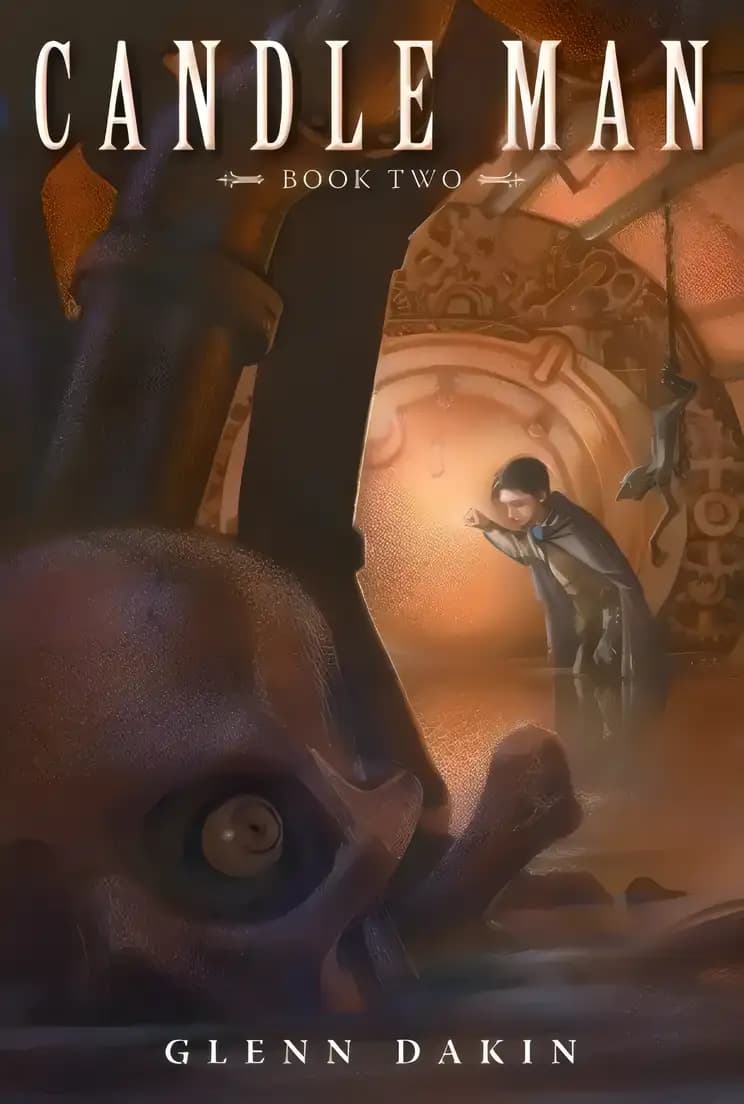
Candle Man: The Society of Unrelenting Vigilance
#2 in Candle Man Series
on Goodreads (144)
What’s inside...
Dr. Saint is no more, Lord Dove has disappeared, and the Dodo has slipped back into seclusion. But for Theo Wickland, descendent of the Victorian crime fighter of legend, The Candle Man, the adventure is just beginning. Now head of the Society of Good Works, Theo is determined to turn the activities of the order toward the betterment of humanity, starting with bringing the Network, the fascinating, secret underground maze of tunnels, back to its former glory. But dark forces still lurk below the London streets - mysterious creatures, and enemies of the Candle Man, long thought dead - who continue to plot the downfall of the world. Old enemies become new allies as Theo cobbles together a group to stop the sinister plans of these evil beings before they prove deadly. It is up to the new Candle Man and his Society of Dread to snuff out these nefarious plans, before it's too late.
Character compass
Theo Crispin
Mr. Nicely
Dr. Saint
Discussion points
What do you think about Theo's journey from living a sheltered life to discovering the truths about his family? How would you feel in his situation?
The Society of Unrelenting Vigilance has members with unique abilities and roles. Which character's role did you find most interesting and why?
How do the themes of trust and betrayal play out in the story? Can you think of a time when you had to decide whether to trust someone?
What lessons do you think Theo learns by the end of the book? How do those lessons apply to your own life?
If you could have a candle power like Theo, what would it be and how would you use it to help others?
Tip: Role play these questions
Before discussing the book, read it together with your child or ensure you both have a good grasp of the plot and characters to make the conversation more meaningful.
Use open-ended questions that require more than a yes-or-no answer to encourage your child to think deeply about the book’s themes and their own opinions.
Connect the story to your child's personal experiences. For example, ask them to relate personal challenges to Theo’s adventures and discoveries.
Encourage your child to imagine alternative scenarios or endings to the story to foster creativity and a deeper understanding of the narrative.
Key lessons
Example Lesson: Courage in the face of adversity
Explanation: The protagonist, Theo, demonstrates bravery as he confronts the challenges and mysteries that surround him in the dark and daunting world of the Society of Unrelenting Vigilance.
Real-World Application: Children can learn to face their own fears and challenges with bravery, understanding that courage is not the absence of fear, but the determination to overcome it.
Example Lesson: The importance of friendship and trust
Explanation: Throughout the story, Theo learns to trust and build friendships with other characters, which becomes crucial to overcoming the obstacles he faces.
Real-World Application: This teaches children the value of building trust and cooperating with others, skills that are essential in school projects and other social interactions.
Example Lesson: Standing up for what is right
Explanation: Theo stands up against the malevolent forces within the Society, striving to bring justice and safety.
Real-World Application: Children learn the importance of advocating for justice and the difference one person can make by standing up for what is right, encouraging them to speak out against wrongdoing.
Example Lesson: Personal growth through challenges
Explanation: As Theo navigates through various challenges, he grows stronger and more confident.
Real-World Application: This highlights for children how personal challenges can lead to growth and self-improvement, inspiring them to embrace rather than avoid difficult situations.
Example Lesson: The power of curiosity and learning
Explanation: Theo’s quest is driven by his desire to uncover the truth about his past and the secrets of the Society, showing his innate curiosity.
Real-World Application: This demonstrates to children how curiosity can lead to significant discoveries and learning, motivating them to seek knowledge and ask questions about their world.