
What’s inside...
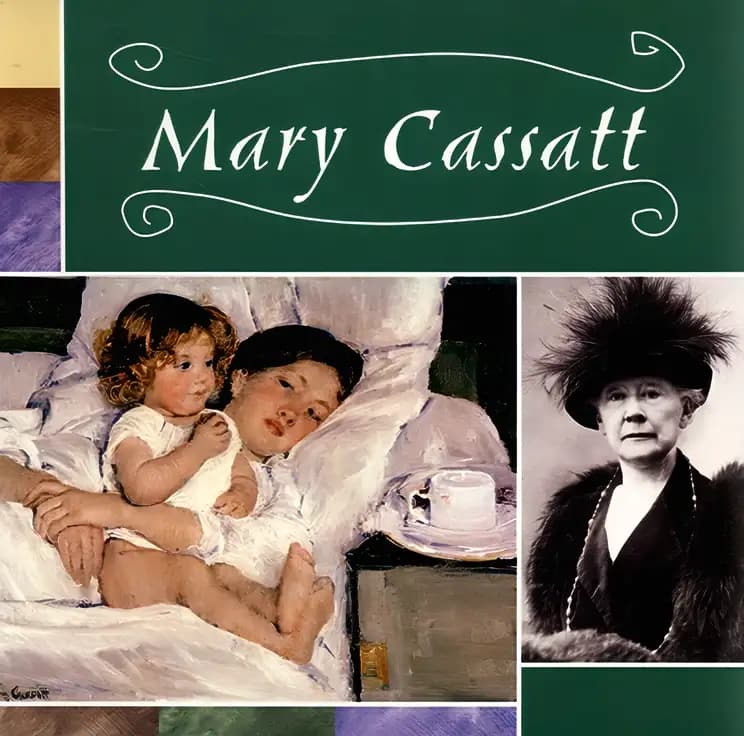
From childhood to death, this biography explores the life of Mary Cassatt. It explains how her personal and social life affected her art and includes full-page reproductions of her most important work which is then analysed in the text.
Series reading
Non-Sequential
Age
8-12
Length
24 pages
Text complexity
Character compass
Mary Cassatt
Discussion points
What feelings do you think Mary Cassatt wanted to show in her paintings?
Why do you think Mary Cassatt chose to paint so many mothers and children?
How do you think the people in the paintings felt being painted by Mary Cassatt?
What colors do you notice the most in Cassatt's paintings and what feelings do those colors give you?
Tip: Role play these questions
Encourage your child to express their thoughts and feelings about the paintings and themes in the book. Listen actively, showing interest in their perspectives. Connect discussions to your child's experiences, such as times they've felt similar emotions depicted in Cassatt’s art. Inspire creativity by asking your child to imagine their own art pieces, encouraging them to think about the subjects and colors they would choose.
Key lessons
Example Lesson: Appreciation of Art and Culture
Explanation: The book introduces children to the life and works of Mary Cassatt, an influential American painter, emphasizing her role in the art world and her unique style.
Real-World Application: Children can be encouraged to visit art galleries, take up painting, or explore art books, fostering a lifelong appreciation of art and diverse cultures.
Example Lesson: Persistence and Dedication
Explanation: Through the story of Mary Cassatt's struggles and successes, children learn about the importance of dedication in honing one's skills and achieving one's dreams.
Real-World Application: This lesson can translate to children persistently working on their own goals, whether in academics, arts, or sports, understanding that success often comes through continuous effort and perseverance.
Example Lesson: Breaking Barriers
Explanation: Cassatt's success in a male-dominated art world showcases her as a role model for challenging societal norms and breaking barriers.
Real-World Application: This can inspire children to question and cross traditional boundaries in their own lives, promoting equality and enabling them to think freely about their career aspirations and roles in society.
Example Lesson: Expression Through Art
Explanation: The book illustrates how Mary Cassatt expressed her emotions and viewpoints through her paintings, particularly in showcasing women's lives and social roles.
Real-World Application: Children can be encouraged to use art as a form of expression, helping them articulate their feelings and thoughts creatively and constructively.
Example Lesson: Importance of Art in Society
Explanation: The depiction of Cassatt’s impact on the art scene highlights how art can influence and change societal views.
Real-World Application: Children can learn to appreciate and support various forms of art in their communities, understanding its power to reflect and shape societal values and human experiences.