
on Goodreads (2)
What’s inside...
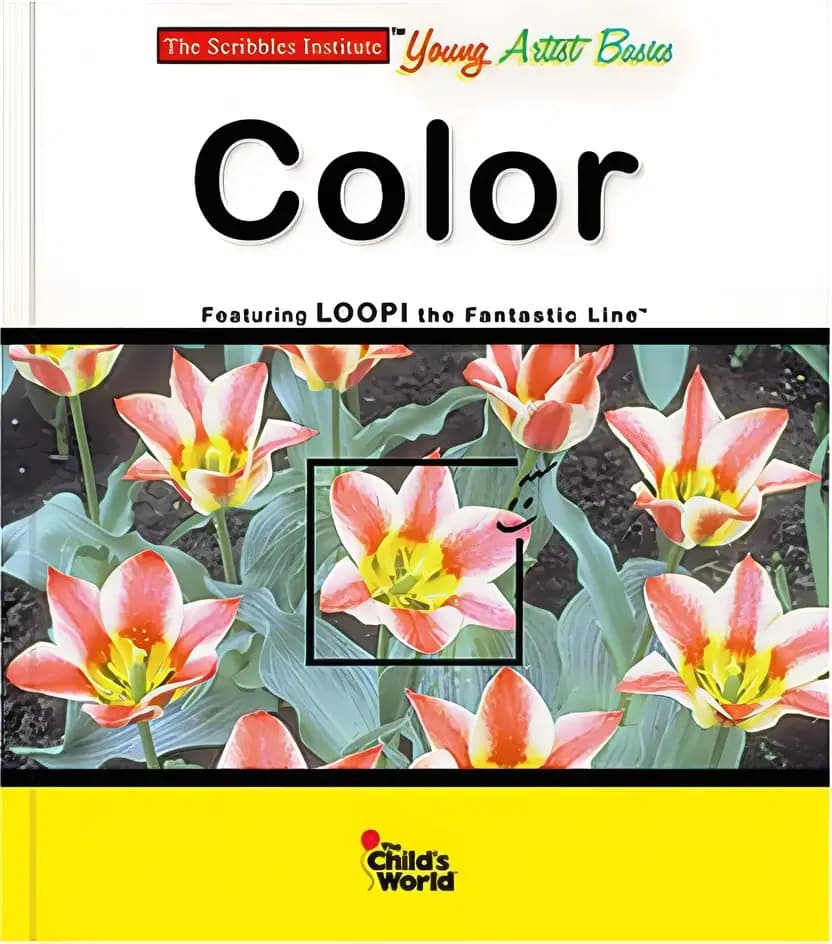
Simple text and 'Loopi the Fantastic Line' describe the concept of color in art and architecture. Simple text and cartoon characters introduce basic colors and their application and importance in artwork and architecture.
Series reading
Non-Sequential
Age
8-10
Length
32 pages
Text complexity
Discussion points
What is your favorite color from the book and why do you like it?
How do you think colors can change the way we feel or think?
Can you think of a place where you've seen a lot of colorful things? What did it look like?
If you could create a new color, what would it be like and what would you name it?
How do colors help us communicate different messages or meanings?
Tip: Role play these questions
Show genuine interest in their favorite colors and encourage them to describe how those colors make them feel.
Discuss the emotional impact of colors, such as calmness with blue or energy with red, to deepen their emotional understanding.
Visit a park or a garden and ask your child to point out and discuss the colors they see in nature.
Encourage creativity by asking your child to draw or paint using a color they invented during the discussion.
Use examples of everyday items (like traffic lights) to explain how colors communicate information and ask them what other examples they can think of.
Key lessons
Example Lesson: Understanding diversity
Explanation: Through a vibrant exploration of different colors, 'Color' by Rob Court teaches children about the diversity of the world around them.
Real-World Application: Children learn to appreciate and respect differences in cultures and environments, fostering inclusivity from a young age.
Example Lesson: Promoting creativity
Explanation: The book encourages the use of various colors in drawing and crafting, stimulating children's imagination and creative skills.
Real-World Application: Kids can apply this creative thinking in school projects, arts, and even in problem-solving scenarios.
Example Lesson: Enhancing observation skills
Explanation: 'Color' invites children to observe their surroundings to see where different colors appear, honing their attention to detail.
Real-World Application: This skill helps in academic settings, such as distinguishing important information in texts and illustrations.
Example Lesson: Learning about emotions
Explanation: The book associates colors with different emotions, helping children understand and articulate their feelings more clearly.
Real-World Application: Children can express themselves better to peers and adults, improving their emotional intelligence and social interactions.