
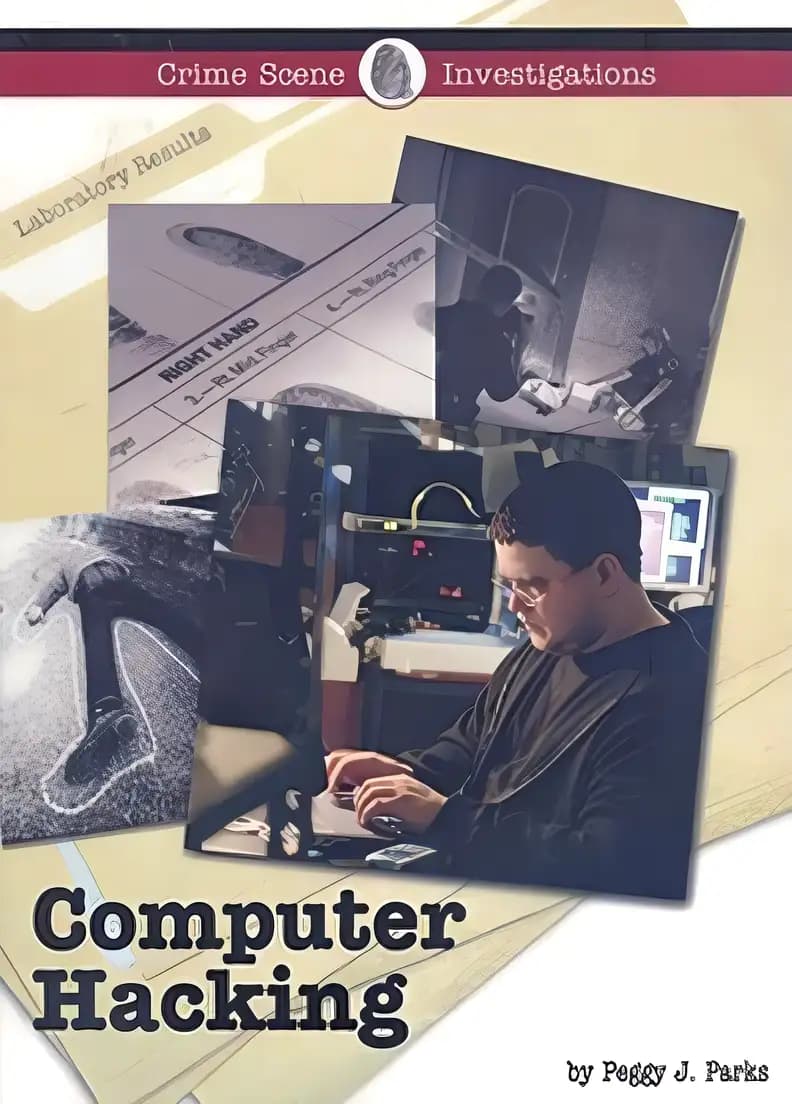
Computer Hacking (Crime Scene Investigations)
Crime Scene Investigations Series
on Goodreads (14)
What’s inside...
In 'Computer Hacking (Crime Scene Investigations)', author Peggy J. Parks explores the intricate world of cybercrime and its investigation. The book delves into various hacking incidents, the techniques used by cybercriminals, and the impact of these crimes on victims and society. It provides a detailed look at how law enforcement agencies and cybersecurity experts gather digital evidence and use forensic methods to track down perpetrators. Through case studies and expert interviews, Parks offers insights into the challenges of prosecuting cybercrimes and the ongoing efforts to improve cybersecurity. The book serves as an informative resource for readers interested in understanding the complexities of computer hacking and the forensic processes used to solve such crimes.
Series reading
Non-Sequential
Age
12-15
Length
128 pages
Text complexity
Discussion points
What do you think are the consequences of hacking into someone's computer?
How do you think the laws should handle computer hacking?
Can hacking ever be considered ethical or helpful?
What did you learn about the importance of online safety from this book?
How would you protect your own computer from hackers?
Tip: Role play these questions
Start the conversation by sharing your own experiences or concerns about computer security.
Encourage your child to think critically about the ethical implications of hacking by discussing real-life scenarios.
Highlight the importance of respecting others’ privacy and the legal consequences of hacking.
Discuss the role of government and law enforcement in preventing and punishing cyber crimes.
Key lessons
Example Lesson: Understanding the consequences of illegal activities
Explanation: The book explores various real-life cases of computer hacking, highlighting the legal repercussions faced by the individuals involved.
Real-World Application: Children learn the importance of respecting laws and the negative consequences of engaging in illegal activities, reinforcing responsible behavior both online and offline.
Example Lesson: Ethical use of technology
Explanation: Through stories of hackers and the impact of their actions, the book teaches the ethics of using technology responsibly.
Real-World Application: This lesson helps children understand the importance of using technology for good purposes and encourages them to think critically about the moral implications of their digital actions.
Example Lesson: The value of cybersecurity
Explanation: The book discusses various cybersecurity measures that can prevent hacking incidents, emphasizing the importance of protecting personal and sensitive information.
Real-World Application: Children learn practical skills on safeguarding their information, which they can apply in protecting their devices and maintaining privacy in the digital world.
Example Lesson: Critical thinking and problem-solving
Explanation: The investigative aspect of the cases presented encourages readers to think critically and solve problems.
Real-World Application: This lesson equips children with the ability to analyze situations, make informed decisions, and solve problems effectively, which are useful skills in academics and everyday life.