
on Goodreads (1)
What’s inside...
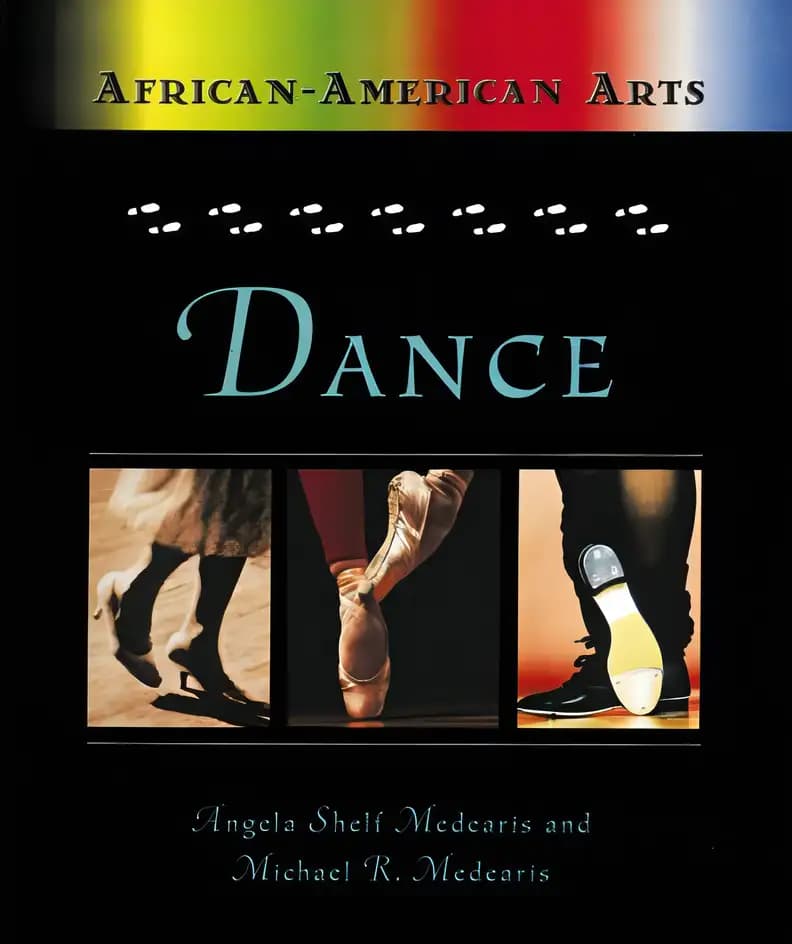
Explores the dance traditions of African Americans, from their origins in the expressive dances that the slaves brought from Africa through the development of jazz and tap to modern dance and ballet. This series traces the influence of African traditions on various African-American art forms and celebrates the contributions of African-Americans to many areas of the arts.
Series reading
Non-Sequential
Age
9-12
Length
80 pages
Text complexity
Discussion points
What are some ways you like to move your body, just like the characters did in the book?
Can you think of a time when dancing made you feel really happy or excited?
How do you think the characters felt when they were dancing together?
If you could create a dance, what would it look like and what would you name it?
Why do you think dancing is important in different cultures around the world?
Tip: Role play these questions
Actively participate by dancing along with your child while discussing the book, mirroring the actions of the characters.
Use expressive gestures and facial expressions to make the discussion lively and engaging.
Encourage your child to describe their feelings and thoughts about the book using descriptive language.
Link the themes of the book to your child’s personal experiences with dance or movement.
Ask follow-up questions to dig deeper into your child’s understanding and perspective on the book’s themes.
Key lessons
Example Lesson: Celebration of Diversity
Explanation: The book 'Dance' showcases a variety of dance styles from different cultures, demonstrating the beauty and uniqueness of each.
Real-World Application: Children can learn to appreciate and respect cultural differences, promoting inclusiveness in their daily interactions at school and in the community.
Example Lesson: Expression Through Movement
Explanation: Characters in the book communicate their emotions and stories through dance, highlighting the power of non-verbal expression.
Real-World Application: Children are encouraged to explore and express their own feelings through dance or other forms of art, enhancing their emotional intelligence.
Example Lesson: History and Tradition
Explanation: The book introduces historical and traditional aspects of dances, linking them to their origins and significance.
Real-World Application: This can spark interest in children to learn about and maintain their own cultural heritage or explore the histories of others.
Example Lesson: Teamwork and Collaboration
Explanation: Many dances in the book require coordination and cooperation among dancers, illustrating the importance of working together harmoniously.
Real-World Application: Children learn the value of teamwork and cooperation, skills that are essential for group activities in school and other social settings.
Example Lesson: Physical Fitness and Health
Explanation: Dance is portrayed as an enjoyable way to stay active and healthy.
Real-World Application: This encourages children to adopt a more active lifestyle, which can lead to better physical health and well-being.