
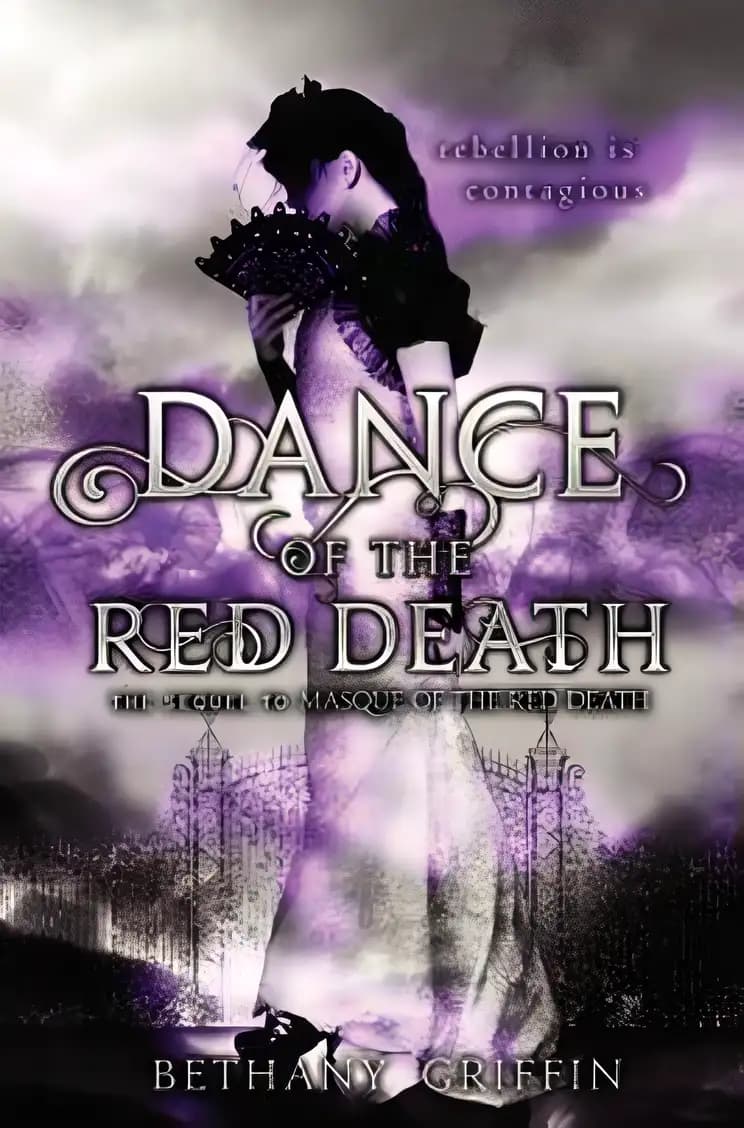
Dance of the Red Death (Masque of the Red Death, 2)
#2 of 2 in Masque of the Red Death Series
on Goodreads (3,675)
What’s inside...
Bethany Griffin continues the journey of Araby Worth in Dance of the Red Death—the sequel to her teen novel Masque of the Red Death. Lauren DeStefano, author of the New York Times bestselling Chemical Gardens trilogy, called Masque of the Red Death 'luscious, sultry, and lingeringly tragic.' In Dance of the Red Death, Araby's world is in shambles—betrayal, death, disease, and evil forces surround her. She has no one to trust. But she will fight for herself, for the people she loves, and for her city. Her revenge will take place at the menacing masked ball. It could destroy her and everyone she loves . . . or it could turn her into a hero. With a nod to Edgar Allan Poe, Bethany Griffin concludes her tragic and mysterious Red Death saga about a heroine that young adult readers will never forget.
Character compass
Araby Worth
Will
Elliot
April
Prince Prospero
Discussion points
How do you think Araby felt when she was trying to protect her friends and the city? What would you have done in her situation?
What do you think the masks symbolize in the story? How do they change the way characters interact with each other?
The story has themes of courage and betrayal. Can you think of a time when you had to be brave, or when someone didn’t meet your trust?
How do the choices made by the characters influence the outcome of the story? Which decision was the most pivotal, in your opinion?
Tip: Role play these questions
Encourage your child to think critically about the decisions characters make in the story and how those decisions align with their values. Ask open-ended questions that prompt your child to consider alternative outcomes based on different choices. Discuss the importance of trust and bravery, relating it to personal experiences to make the conversation more relatable. Lastly, let the conversation flow naturally, allowing your child to express their thoughts and feelings about the story, enhancing their connection to the themes and characters.
Key lessons
Example Lesson: Resilience in the face of adversity
Explanation: The characters in 'Dance of the Red Death' constantly face challenges and threats throughout the story, showing steadfastness and perseverance.
Real-World Application: Children can learn to remain resilient and cope positively with challenges they face in their own lives, such as moving to a new school or dealing with personal setbacks.
Example Lesson: The importance of friendship and trust
Explanation: Throughout the novel, the protagonists rely heavily on their friendships to overcome obstacles and survive. Trust is a pivotal theme as they navigate through treacherous situations.
Real-World Application: This can teach children the value of building strong, trustworthy relationships and relying on friends during tough times.
Example Lesson: Consequences of choices
Explanation: Each character in the book makes crucial decisions that lead to various outcomes, demonstrating the importance of thoughtful decision-making.
Real-World Application: Children can learn to think about the potential long-term effects of their choices on themselves and others, encouraging responsible decision-making.
Example Lesson: Compassion and empathy
Explanation: Characters in the story often show kindness in grim circumstances, highlighting the humanity that persists in dire situations.
Real-World Application: This can help children understand the importance of showing compassion and empathy towards others, regardless of the situation, fostering a more inclusive and understanding attitude.
Example Lesson: Courage to confront evil
Explanation: The protagonists face moral dilemmas and the presence of malevolent forces, choosing to stand up against wrongdoing.
Real-World Application: Children can learn the moral courage to stand up against wrongdoings and defend what is right, applying this to situations like bullying or unfair treatment in their own lives.