
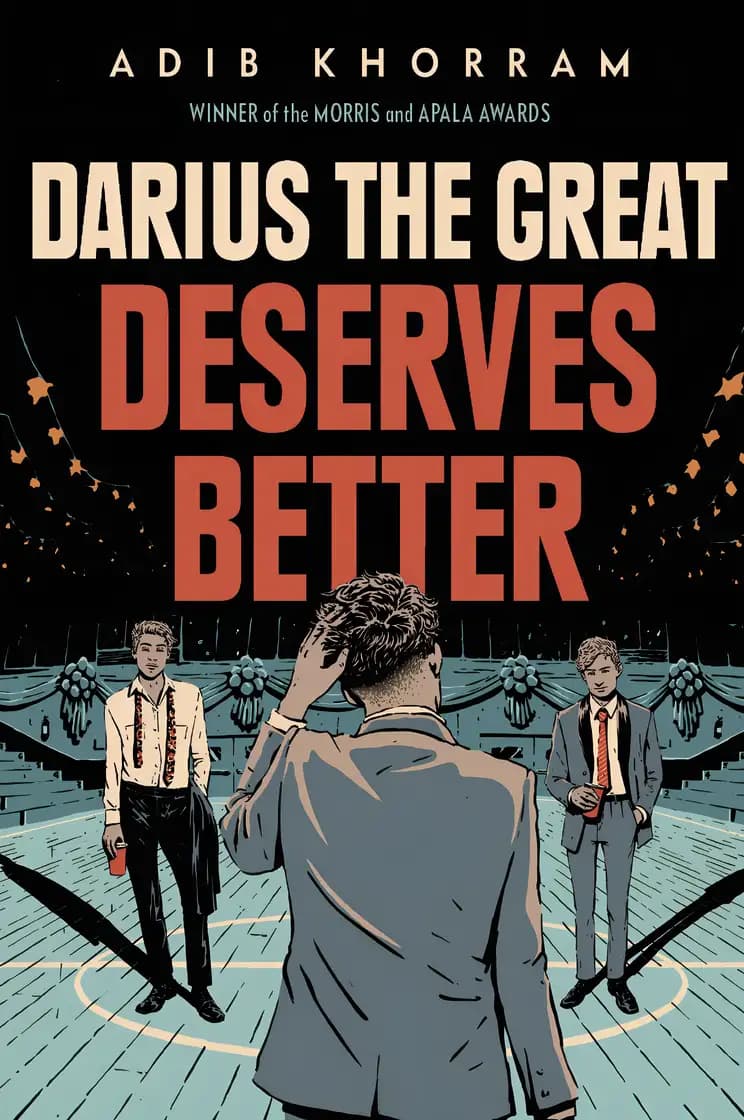
Darius the Great Deserves Better
#2 in Darius the Great Series
on Goodreads (10,745)
What’s inside...
In this companion to the award-winning Darius the Great Is Not Okay, Darius suddenly has it all: a boyfriend, an internship, a spot on the soccer team. It’s everything he’s ever wanted–but what if he deserves better?
Darius Kellner is having a bit of a year. Since his trip to Iran this past spring, a lot has changed. He’s getting along with his dad, and his best friend Sohrab is only a Skype call away. Between his first boyfriend, Landon, his varsity soccer practices, and his internship at his favorite tea shop, Darius is feeling pretty okay. Like he finally knows what it means to be Darius Kellner.
Then, of course, everything changes. Darius’s grandmothers are in town for a long visit while his dad is gone on business, and Darius isn’t sure whether they even like him. The internship isn’t what Darius thought it would be, and now he doesn’t know about turning tea into his career. He was sure he liked Landon, but when he starts hanging out with Chip–soccer teammate and best friend of Trent Bolger, epic bully–well, he’s just not so sure about Landon anymore, either.
Darius thought he knew exactly who he was and what he wanted, but maybe he was wrong. Maybe he deserves better.
Why read this book
- Explores themes of identity and self-discovery.
- Addresses complex emotions with sensitivity.
- Encourages empathy and understanding.
- Supports LGBTQ+ representation and inclusivity.
Character compass
Darius Kellner
Landon
Chip Cusumano
Laleh Kellner
Shirin Kellner
Stephen Kellner
Discussion points
How do Darius’s experiences at home compare to his experiences with his friends and soccer team?
What are some ways Darius shows strength when dealing with challenges in his life?
Why is it important for Darius to connect with his Persian heritage, and how does it influence his identity?
In what ways do the relationships in Darius’s life affect his understanding of what it means to deserve better?
How do the characters in the book demonstrate the importance of acceptance and support?
Tip: Role play these questions
Encourage your child to express their thoughts and feelings about Darius's struggles and triumphs, relating them to their own experiences.
Discuss the cultural aspects in the book, perhaps exploring more about Persian culture together to deepen the conversation.
Focus on the development of relationships in the story, asking your child to consider how support systems can impact personal growth.
Highlight the theme of self-worth and discuss with your child what 'deserving better' means to them in different aspects of their lives.
Key lessons
Example Lesson: Embracing Cultural Identity
Explanation: In 'Darius the Great Deserves Better', Darius grapples with his Persian heritage while living in America. This internal conflict enriches the narrative, showcasing the challenges and beauty of having a multicultural identity.
Real-World Application: Children can learn to appreciate and celebrate their own unique cultural backgrounds and those of others around them, fostering a more inclusive environment at school and in the community.
Example Lesson: Understanding and Managing Mental Health
Explanation: Darius’s experiences with depression are depicted with sensitivity and realism, providing a rare look into mental health through a young person’s eyes.
Real-World Application: This portrayal can help children understand that mental health issues are nothing to be ashamed of and that seeking help and talking about their feelings is crucial.
Example Lesson: The Power of Friendship
Explanation: Throughout the book, Darius learns the importance of genuine friendships — both in maintaining old ones and nurturing new ones. His interactions highlight the supportive and transformative nature of true friends.
Real-World Application: Children can learn to value and nurture friendships, understand the importance of support systems, and develop empathy and social skills.
Example Lesson: Coping with Family Dynamics
Explanation: The story explores complex family relationships, especially between Darius and his father. It addresses the challenges and the growth that can come from navigating these dynamics.
Real-World Application: The narrative can help children understand family complexities and encourage them to express themselves and communicate effectively within their families.
Example Lesson: Self-Exploration and Growth
Explanation: As Darius navigates high school and personal relationships, he embarks on a journey of self-discovery. This theme is crucial for personal development and is skillfully woven into the story.
Real-World Application: This lesson can inspire children to reflect on their own growth, recognize their strengths and areas for improvement, and understand that it’s okay to be a work in progress.