
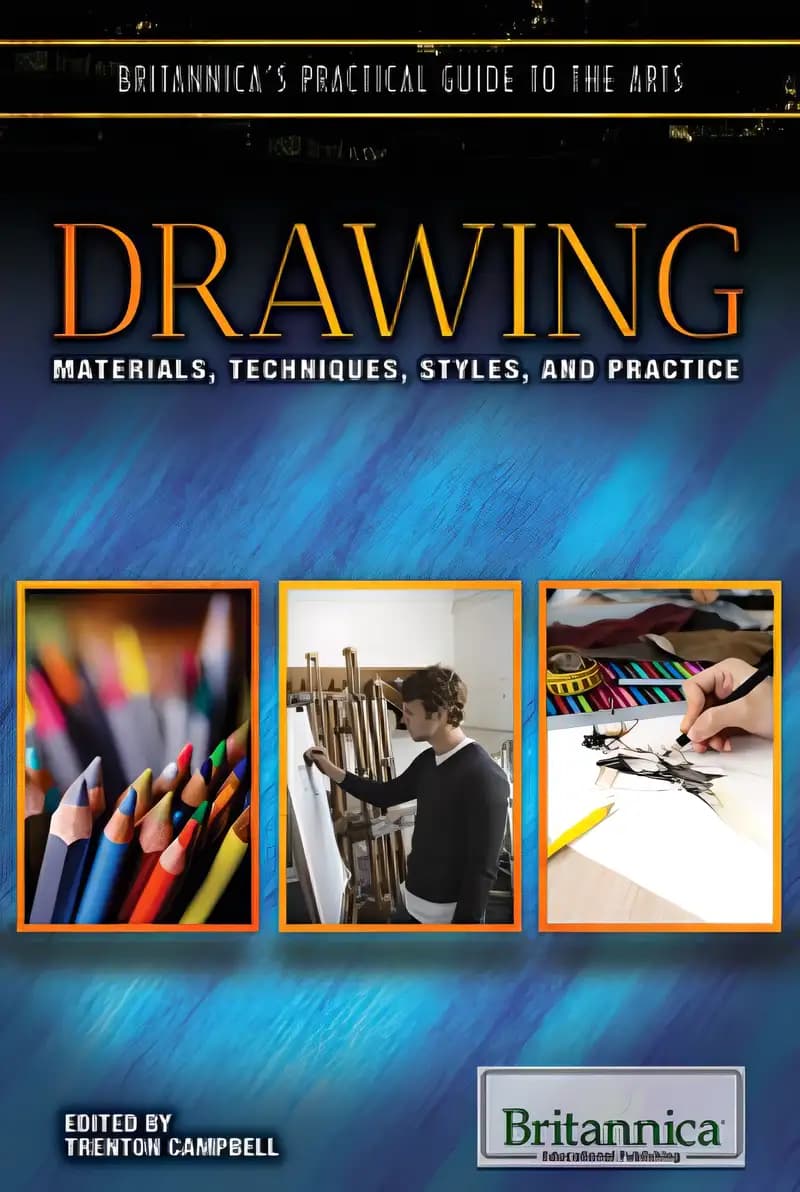
Drawing: Materials, Techniques, Styles, and Practice
Adobe EPUB eBook Series
What’s inside...
Drawing is the method of creating images on surfaces such as paper by using various tools like ink, graphite, and charcoal. Drawings serve the purpose of making an idea visible and conveying the artist's emotions. Artists showcase their unique techniques and feelings about their subjects through their drawings. The aspect of drawing that includes line drawings expresses form primarily through lines. This text explores the aesthetic aspects of drawings, the different mediums used, the subjects they depict, as well as some notable artists and their creations.
Series reading
Non-Sequential
Age
14-17
Length
180 pages
Text complexity
Discussion points
What did you find most interesting about the different drawing techniques mentioned in the book?
How do you think using different materials can change the way a drawing looks and feels?
Can you imagine your own style of drawing? What would it include?
Which artist featured in the book would you like to learn more about, and why?
If you could practice any new drawing technique from the book, which one would it be?
Tip: Role play these questions
Encourage your child to express their thoughts on the diverse techniques and artists covered in the book. Listen attentively and show genuine interest in their ideas. You can also suggest experimenting with some drawing methods together, turning it into a fun and educational bonding activity. Praise their creativity and insights, making them feel confident in their artistic expressions.
Key lessons
Example Lesson: Creativity and Self-Expression
Explanation: Abbey Campbell Cook emphasizes the importance of using art as a form of personal expression, encouraging children to explore different materials and styles to find what best expresses their individuality.
Real-World Application: Children learn to express their feelings and ideas through art, which can boost their emotional intelligence and problem-solving skills in everyday situations.
Example Lesson: Patience and Perseverance
Explanation: The book highlights the practice and dedication required to improve artistic skills, teaching children that progress comes with persistence.
Real-World Application: This lesson helps children understand the value of patience and hard work in achieving goals, whether in academics, sports, or personal hobbies.
Example Lesson: Attention to Detail
Explanation: Through various drawing techniques, children are taught to pay close attention to details, enhancing their observational skills.
Real-World Application: Improved attention to detail can help children in academic settings, such as being more thorough in their work and catching small but essential details in assignments.
Example Lesson: Appreciation of Art
Explanation: The book covers different historical styles and the evolution of drawing, which fosters a deeper appreciation and understanding of art history.
Real-World Application: This lesson helps cultivate cultural awareness and a broader worldview, encouraging respect and appreciation for diverse artistic expressions and histories.
Example Lesson: Innovative Thinking
Explanation: By experimenting with different drawing styles and materials, children learn to think outside the box and approach problems creatively.
Real-World Application: Fostering innovative thinking prepares children for future challenges, enabling them to devise unique solutions and ideas in various real-world scenarios.