
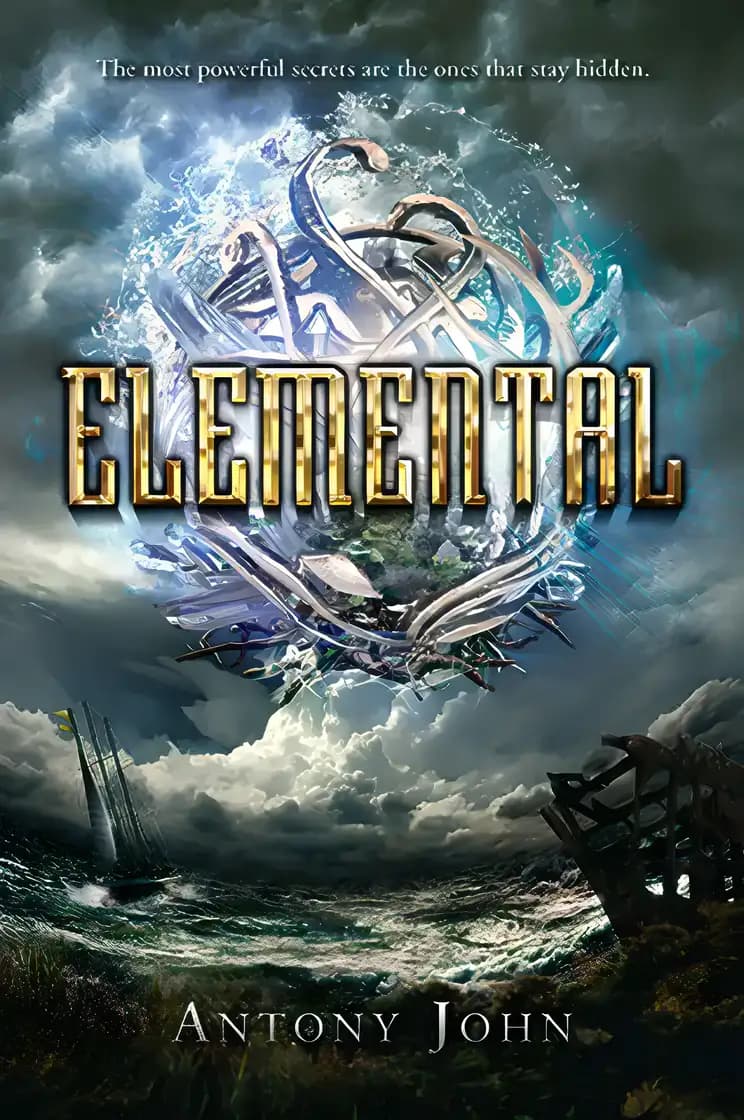
Elemental
#1 of 3 in Elementals Series
on Goodreads (2,623)
What’s inside...
A lost colony is reborn in this heart-pounding fantasy adventure set in the near future . . .
Sixteen-year-old Thomas has always been an outsider. The first child born without the power of an Element—earth, water, wind or fire—he has little to offer his tiny, remote Outer Banks colony. Or so the Guardians would have him believe.
In the wake of an unforeseen storm, desperate pirates kidnap the Guardians, intent on claiming the island as their own. Caught between the plague-ridden mainland and the advancing pirates, Thomas and his friends fight for survival in the battered remains of a mysterious abandoned settlement. But the secrets they unearth will turn Thomas’ world upside-down, and bring to light not only a treacherous past but also a future more dangerous than he can possibly imagine.
Why read this book
- Engaging adventure stimulates imagination and critical thinking.
- Characters exemplify resilience and teamwork.
- Encourages exploration of elemental powers and nature.
- Ideal for interactive parent-child reading sessions.
Character compass
Thomas
Rose
Griffin
Alice
Discussion points
What do you think it would feel like to live on an island like the characters in 'Elemental'? How would you adapt?
How do the elements play a role in the characters' lives and relationships? Which element would you want to control and why?
Thomas discovers hidden strengths throughout his journey. Have you ever discovered something new about yourself when facing a challenge?
The story explores themes of teamwork and trust. Why do you think working together is important in achieving a goal?
How do you think the story would change if it was set in a different environment, like a desert or a forest?
Tip: Role play these questions
Start by sharing your own thoughts about the book’s setting and themes to encourage your child to express their insights.
Ask your child to compare their personality with one of the characters. Discuss similarities and differences, and what they might learn from the character.
Encourage your child to imagine alternative scenarios within the book’s universe, enhancing their creativity and engagement with the story.
Utilize the discussion on elements to connect with natural phenomena around us, fostering a connection between the book’s themes and the real world.
Highlight the moral and ethical decisions characters make to deepen your child’s understanding of right and wrong within context.
Key lessons
Example Lesson: Empathy and Understanding
Explanation: In 'Elemental', the characters navigate complex relationships and challenges, teaching readers to understand and feel for others' circumstances.
Real-World Application: Children can apply this by learning to be sensitive to the feelings and situations of their peers and family members, fostering a supportive environment.
Example Lesson: Courage and Resilience
Explanation: The protagonist faces several trials that require bravery and persistence. These situations illustrate the importance of not giving up despite difficulties.
Real-World Application: This lesson encourages children to persevere through their own challenges, whether in school or in personal endeavors, instilling a sense of resilience.
Example Lesson: The Importance of Teamwork
Explanation: Characters in the book often rely on teamwork to solve problems and overcome obstacles, highlighting the value of collaboration.
Real-World Application: Kids can learn to work cooperatively in group settings, such as in classroom projects or sports, understanding that combined efforts often lead to greater success.
Example Lesson: Responsibility and Leadership
Explanation: As the story unfolds, the characters take on leadership roles and make tough decisions, portraying the significance of responsible behavior and leadership.
Real-World Application: This teaches children to take initiative and be accountable in their actions, useful in leadership roles at school and other group activities.