
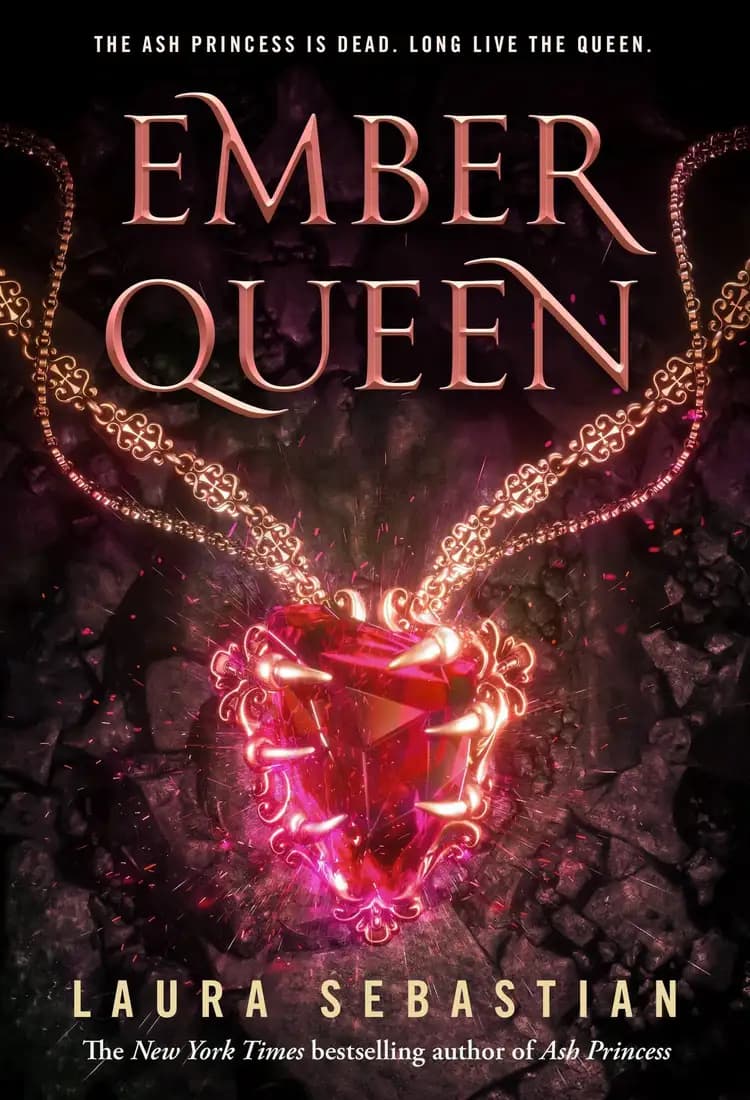
Ember Queen: Ash Princess
#3 in Ash Princess Series
on Goodreads (26,581)
What’s inside...
The thrilling conclusion to an epic fantasy about a throne cruelly stolen and a girl who must fight to take it back for her people.
Princess Theodosia was a prisoner in her own country for a decade. Renamed the Ash Princess, she endured relentless abuse and ridicule from the Kaiser and his court. But though she wore a crown of ashes, there is fire in Theo’s blood. As the rightful heir to the Astrean crown, it runs in her veins. And if she learned nothing else from her mother, she learned that a Queen never cowers.
Now free, with a misfit army of rebels to back her, Theo must liberate her enslaved people and face a terrifying new enemy: the new Kaiserin. Imbued with a magic no one understands, the Kaiserin is determined to burn down anyone and everything in her way.
The Kaiserin’s strange power is growing stronger, and with Prinz Søren as her hostage, there is more at stake than ever. Theo must learn to embrace her own power if she has any hope of standing against the girl she once called her heart’s sister.
Why read this book
- Empowers resilience and leadership in young readers.
- Enhances understanding of complex relationships and empathy.
- Encourages perseverance against adversity.
- Supports development of strong decision-making skills.
Character compass
Theodosia Eirene Houzzara
Artemisia
Heron
Blaise
Prince SøRen
Dragonsbane
Crescentia
Discussion points
How did Theo's actions show her growth and strength throughout the story?
What role do friendships play in Theo's journey? Why are they important?
How can you relate the challenges faced by Theo to challenges you face in your own life?
What does the concept of freedom mean to you, and how does it compare to what it means to Theo in the story?
How do you think courage and fear are represented in the book? Can you give examples of both?
Tip: Role play these questions
Start the conversation by sharing your thoughts about Theo’s character and her evolution. This helps set a reflective tone for the discussion.
Encourage your child to think about their personal definitions of friendship and freedom. Connect these themes to relevant everyday situations your child might encounter.
Ask your child to think of times when they had to be brave, drawing parallels to Theo’s experiences to make the discussion relatable.
Mention specific scenes from the book during your talk. This helps in vividly recalling the events and facilitates deeper discussion.
Positively affirm your child’s opinions and feelings as they share, ensuring they feel their perspectives are valued in the discussion.
Key lessons
Example Lesson: Resilience and overcoming adversity
Explanation: The protagonist, Theo, faces various challenges and adversities but remains determined to reclaim her kingdom and establish justice. Her resilience in the face of oppression showcases the power of perseverance.
Real-World Application: Children can learn the importance of staying strong and persistent even when faced with difficulties. Whether it’s dealing with school challenges or personal setbacks, resilience can lead to overcoming them successfully.
Example Lesson: Importance of leadership and responsibility
Explanation: Theo’s journey from a prisoner to a queen illustrates the weight of leadership and the responsibilities that come with it. She makes tough decisions considering the welfare of her people.
Real-World Application: This can help children understand that being a leader involves making decisions that are not only good for themselves but also for others. It encourages them to be mindful and responsible in various group activities or teamwork situations.
Example Lesson: Value of loyalty and friendship
Explanation: Despite the betrayals she faces, Theo values and maintains loyalty to her true friends who stand by her throughout her journey. This loyalty is pivotal in her struggle.
Real-World Application: Children can learn the importance of building and maintaining trustful relationships. Loyalty in friendships means supporting each other in good times and bad, which is a fundamental aspect of healthy, lasting relationships.
Example Lesson: Ethics of justice and revenge
Explanation: Throughout the story, Theo grapples with the concepts of justice and revenge, particularly in how she deals with her enemies. This helps her and the reader reflect on the ethical implications of her actions.
Real-World Application: This lesson can guide children in understanding the differences between righting a wrong and seeking revenge. It encourages thoughtful responses rather than impulsive reactions in conflicts with others.
Example Lesson: Courage to fight for what's right
Explanation: Theo continuously stands up against tyranny and fights for the freedom and rights of her oppressed people, showing immense courage.
Real-World Application: Children can be inspired to stand up for themselves and others, learning to speak out against injustice, whether in the playground or in wider community issues.