
What’s inside...
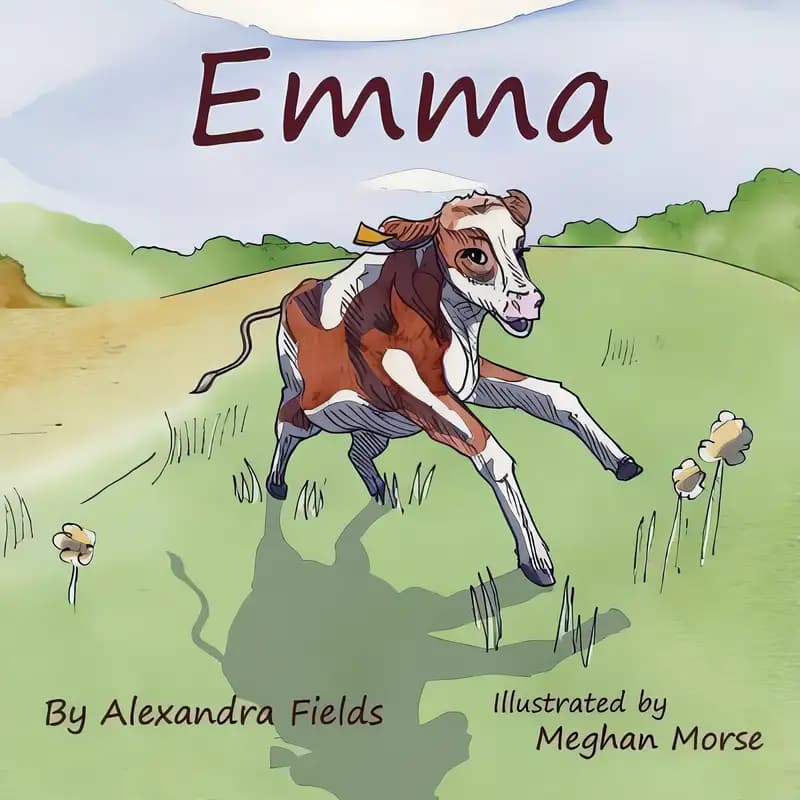
Emma, a baby calf, longs to know what life is like outside of the industrial farm building where she lives. One day, she finally gets the opportunity to find out! Join Emma on her wild adventure as she searches for fun, friendship, and, above all, freedom. A portion of the proceeds from the sale of this book is used to support non-profit, vegan farm sanctuaries throughout the United States that rescue and provide safe, loving homes for farm animals that have experienced abuse or neglect.
Series reading
Non-Sequential
Age
5-8
Length
42 pages
Text complexity
Discussion points
What do you think Emma was feeling when she decided to start her garden?
How do you think the garden helped Emma in her daily life?
What could be the reason Emma shared her vegetables with her neighbors?
If you were Emma, what would you have planted in the garden and why?
How do you think the story would change if Emma lived in a big city?
Tip: Role play these questions
Before reading, briefly discuss gardening and the importance of sharing with others to set the stage for the themes in the book.
While reading, pause to ask your child what they think about Emma's actions and decisions, helping them connect personally with the events of the story.
After reading, encourage your child to draw a picture of their own garden and discuss what plants they would like to grow, linking it back to the story.
Use examples from your own experiences with gardening or helping neighbors to make the story more relatable and impactful.
Ask your child to predict what might happen next if the book had another chapter, enhancing their creativity and engagement with the text.
Key lessons
Example Lesson: Empathy
Explanation: Emma learns to understand and share the feelings of a new student in her class, which helps her to make a new friend.
Real-World Application: Children can apply this lesson by learning to recognize emotions in others and responding with kindness and understanding, which can help build strong relationships.
Example Lesson: Responsibility
Explanation: Throughout the story, Emma takes on small tasks at home and school, learning the importance of fulfilling her duties and being reliable.
Real-World Application: This lesson encourages children to take responsibility for their own tasks, such as homework or chores, fostering independence and reliability.
Example Lesson: Creativity
Explanation: Emma uses her imagination to solve problems and help others, showing that creativity is not just about art but about thinking differently.
Real-World Application: Children can embrace creativity to find unique solutions to challenges they face in school and play, enhancing their critical thinking and problem-solving skills.
Example Lesson: Perseverance
Explanation: When faced with a challenge, Emma doesn't give up but instead works harder to overcome it, demonstrating the value of perseverance.
Real-World Application: This teaches children the importance of persistence in achieving goals, whether it be in academics, sports, or personal interests.