
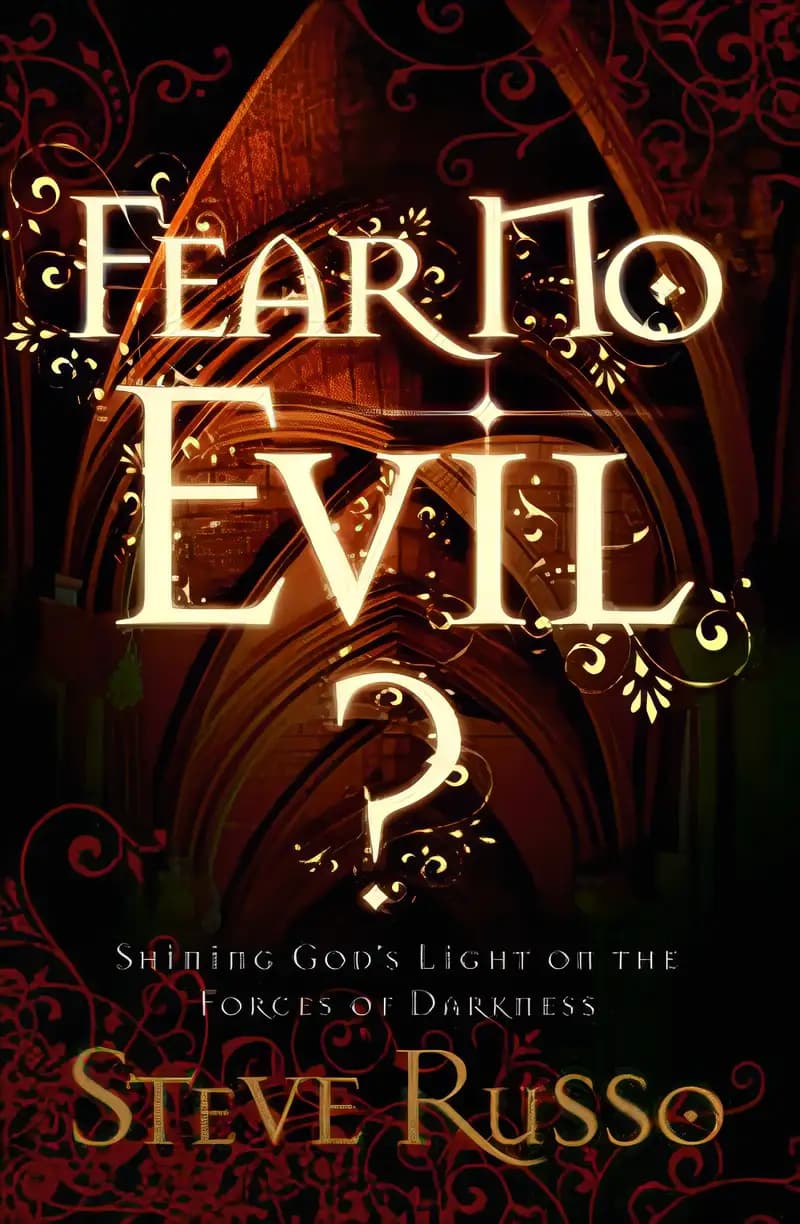
Fear No Evil?: Shining God's Light on the Forces of Darkness
on Goodreads (7)
What’s inside...
Equipping Teens to Recognize and Resist 'Everyday' Evil addresses the issue of teenagers unknowingly encountering the devil's influences in their daily lives. Author Steve Russo discusses how activities that may appear harmless can actually lead to dangerous beliefs and practices such as New Age religions, the occult, Wicca, and Satanism. Russo identifies these perils and provides readers with biblical strategies to fight against these evil forces, guiding them towards the true Source of power.
Age
12-18
Length
272 pages
Text complexity
Discussion points
How do you think the characters felt when facing their fears?
What are some ways they found strength in their faith?
Can you think of a time you were scared and how you overcame it?
Why is it important to seek help when we're afraid?
How can prayer or talking to someone help when we feel scared or threatened?
Tip: Role play these questions
Encourage an open and supportive environment where your child feels comfortable sharing their feelings. Validate their emotions and share personal stories or experiences where faith or support helped you overcome a difficult situation. Highlight the importance of prayer and community support in facing fears, mirroring themes from the book. Avoid pressing if the child is reluctant to talk; instead, gently nudge the discussion towards observing how characters in the book manage their fears.
Key lessons
Example Lesson: Understanding Good versus Evil
Explanation: Through engaging narratives, the book helps children distinguish between good and evil forces, emphasizing moral choices.
Real-World Application: Children can use these insights to make ethical decisions when facing dilemmas in their daily interactions at school or with friends.
Example Lesson: Importance of Courage
Explanation: The characters in the book often face challenging situations that require bravery to overcome evil.
Real-World Application: This encourages children to be courageous when confronting fears or standing up for what is right in their own lives.
Example Lesson: Value of Spiritual Growth
Explanation: The book discusses spiritual principles in a context children can understand, promoting spiritual development.
Real-World Application: Children learn to cultivate their own spiritual beliefs and moral compass, guiding them through various life scenarios.
Example Lesson: Power of Light Over Darkness
Explanation: Narratives in the book illustrate how light, symbolizing goodness, triumphs over darkness, representing evil.
Real-World Application: This empowers children to believe in the positive outcomes of good deeds and maintaining optimism even during tough times.