
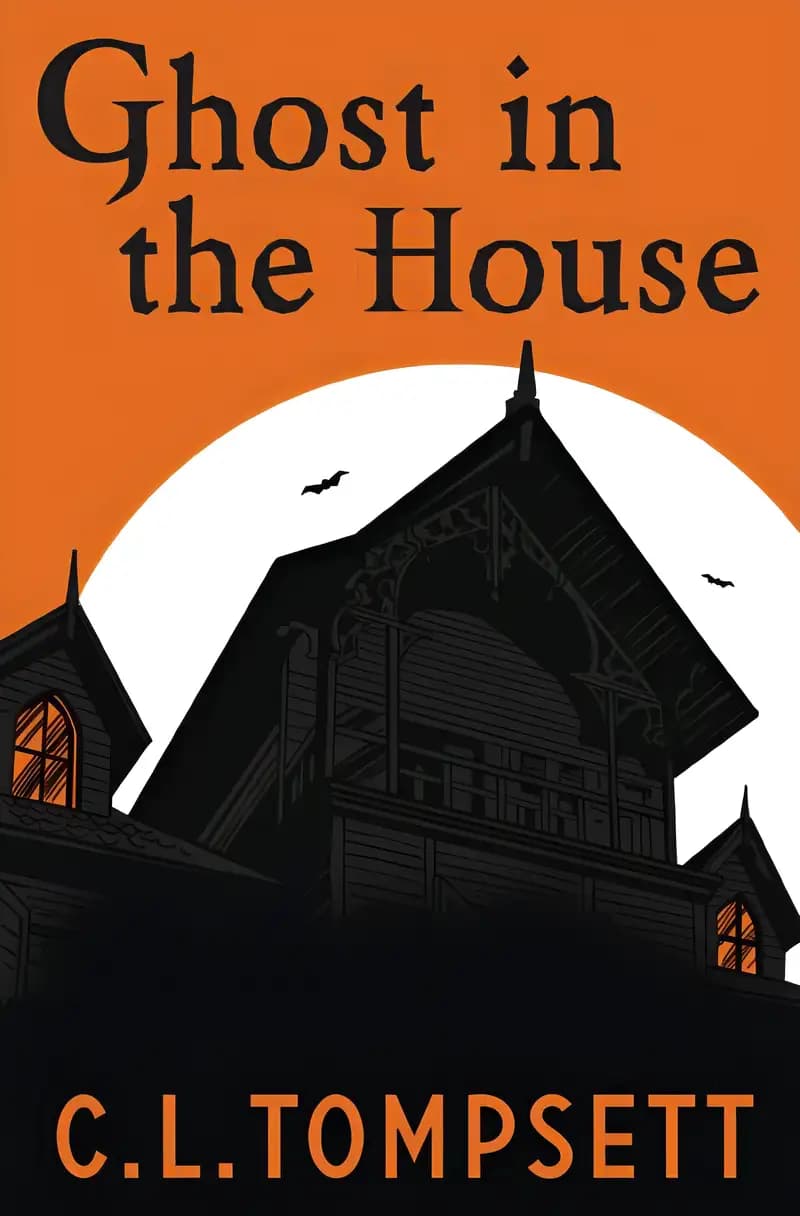
Ghost in the House
Barrington Stoke teen Series
What’s inside...
Engage your seriously struggling and reluctant teen readers with Barrington Stoke's SEN short fiction. Ghost in the House has been specially designed for teen readers with a reading age of 6 and is fully illustrated throughout. The story revolves around two friends, Josh and Adam, who dare each other to spend a night in a house rumored to be haunted by Mr. Jones's ghost. The book targets teenagers with a reading age of about six and poses questions about facing fears and the idea of spending a night in a spooky place.
Series reading
Non-Sequential
Age
9-12
Length
32 pages
Text complexity
Discussion points
How would you feel if you found a ghost in our house? What would you do?
What do you think the ghost in the story wanted when it was making noise?
Can you think of a time when you were scared like the characters in the book, but it turned out to be nothing scary?
Why do you think the characters reacted the way they did to the ghost?
If you could ask the ghost a question, what would it be?
Tip: Role play these questions
As you discuss the book, show genuine interest in your child's thoughts and feelings to create a safe space for sharing.
Encourage your child to relate the story to their own experiences, which can help them process and relate their emotions.
Use expressive facial expressions and voice modulation while discussing to make the conversation more engaging and lively.
Link the discussion to broader themes like fear, friendship, and curiosity, to deepen the understanding of the book's messages.
Key lessons
Example Lesson: Courage in facing fears
Explanation: The protagonist confronts a mysterious presence in their house, teaching children the importance of facing their fears.
Real-World Application: Children can apply this lesson by bravely facing new challenges at school, whether it's speaking in front of the class or trying out for a team.
Example Lesson: Curiosity and discovery
Explanation: The young character’s quest to uncover the truth about the ghost encourages curiosity and exploration.
Real-World Application: This can inspire children to ask questions and explore the world around them, leading to learning and personal growth.
Example Lesson: Problem-solving
Explanation: Through the story, the protagonist uses clever thinking to solve the mystery of the ghost.
Real-World Application: Kids can use similar problem-solving skills in real life, whether in academic settings or in resolving conflicts with peers.
Example Lesson: Compassion and understanding
Explanation: The story reveals that the ghost has its own fears, teaching children to be empathetic and understanding towards others.
Real-World Application: This lesson helps children to be more empathetic in their interactions with friends and to understand that everyone has their own struggles.