
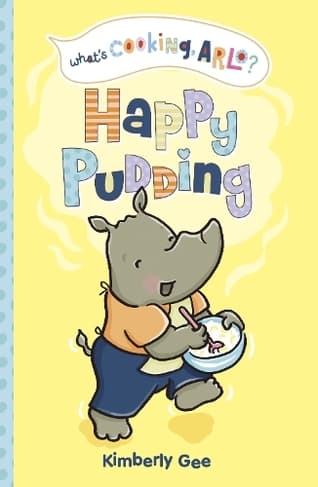
Happy Pudding: What's Cooking, Arlo?
#3 in Happy Pudding Adventures Series
What’s inside...
Join Arlo, a cheerful young chef, as he embarks on a flavorful adventure to create the ultimate happy pudding to cheer up his best friend. Along the way, Arlo learns the value of friendship, teamwork, and creativity in the kitchen. After a long storm, Arlo is excited to invite his friends over for a little get-together. But Alice, Slide, and Spike are each feeling out of sorts after being cooped up too long. Will Arlo's happy pudding cheer them up? Find out in this early graphic novel that will warm young readers' hearts with a perfect recipe for friendship and fun.
Discussion points
What do you think Arlo will cook next and why?
How did Arlo feel when his recipe went wrong, and what would you have done in his place?
Why is it important to help friends, like how Arlo helped his neighbors?
What did you learn from Arlo about trying new things?
If you could create a recipe with Arlo, what would it be and which ingredients would you use?
Tip: Role play these questions
Use expressive and animated tones when discussing Arlo’s adventures to make the conversation more lively and engaging.
Relate the cooking experiences in the book to your child’s experiences in the kitchen, such as a time when a recipe didn’t go as planned.
Encourage your child to imagine and describe their own magical recipes, enhancing their creativity and connection to the story.
Discuss the importance of perseverance and learning from mistakes, key themes in Arlo's story, reinforcing these values.
Ask your child to draw their favorite scene from the book. This can lead to a discussion about the emotions and themes depicted in their artwork.
Key lessons
Example Lesson: Importance of teamwork
Explanation: Arlo the protagonist learns to collaborate with his friends to create a meal, showing that working together can achieve great results.
Real-World Application: Children can apply this lesson in group activities at school or during play, learning to value each member's contribution.
Example Lesson: Creativity in problem-solving
Explanation: Throughout the book, Arlo faces various cooking challenges and uses creative thinking to solve them.
Real-World Application: This encourages children to think outside the box and find innovative solutions to obstacles they face in their daily lives.
Example Lesson: Following instructions
Explanation: Arlo follows a recipe to cook a meal, emphasizing the importance of following steps for successful outcomes.
Real-World Application: Children can see the value of following instructions in school assignments, crafts, or when learning a new skill.
Example Lesson: The joy of cooking
Explanation: The book portrays cooking as a fun and engaging activity, potentially sparking an interest in culinary arts.
Real-World Application: This can encourage children to assist in meal preparation at home, promoting an enjoyable family bonding activity.
Example Lesson: Sharing with others
Explanation: After cooking, Arlo shares his meal with friends, teaching the value of sharing joys and successes with others.
Real-World Application: Children learn to share their own achievements or possessions, enhancing social interactions and empathy towards others.