
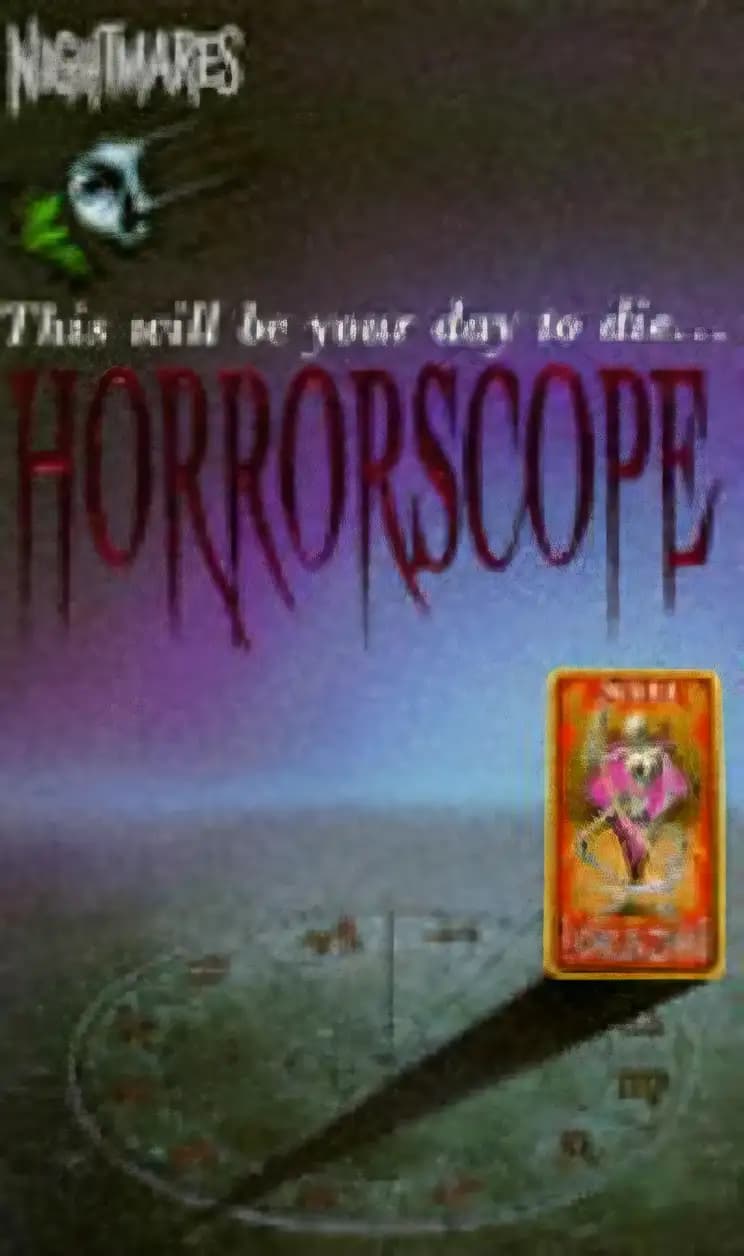
Horrorscope
not part of a series
on Goodreads (246)
What’s inside...
Robyn, a high school student, is disturbed when her classmates start disappearing and are found murdered. She suspects a connection between the killings and her horoscope column in the school newspaper, fearing she might be inadvertently responsible. The narrative reveals that the killer targets those who ignore the warnings in their horoscopes, establishing a sinister link between destiny and violence. This psychological thriller, penned by John Peel under the pseudonym Nicholas Adams, explores the eerie intersection of fate and mortal danger.
Series reading
Non-Sequential
Age
12-18
Length
192 pages
Text complexity
Discussion points
What emotions did you feel while reading 'Horrorscope'? Can you explain why?
Which character in the book did you relate to the most and why?
How would you have reacted if you were in the same situation as the protagonist?
What do you think is the main message of 'Horrorscope', and why is it important?
If you could change one thing in the story, what would it be and why?
Tip: Role play these questions
Encourage your child to express both positive and negative feelings about the book. Validate their feelings and offer your perspectives.
Ask your child to draw their favorite scene and explain what they liked about it. This can help them reflect more deeply on the story.
Create a comfortable reading environment where your child feels open to discuss their ideas without judgment.
Use examples from the book to teach problem-solving strategies or moral reasoning, tying them back to real-life situations your child may encounter.
Key lessons
Example Lesson: Empathy
Explanation: Through the characters' experiences with various challenging scenarios, children can understand and feel what others may be going through.
Real-World Application: Children can apply this understanding by showing kindness and consideration towards their peers and family members.
Example Lesson: Courage
Explanation: The protagonists of 'Horrorscope' often face fearful situations, yet they bravely confront these challenges, teaching children the importance of facing fears.
Real-World Application: Kids can embrace this lesson by tackling new or intimidating situations in school or during extracurricular activities.
Example Lesson: Responsibility
Explanation: Characters in the book are often tasked with important duties that affect others, highlighting how responsible actions can lead to positive outcomes.
Real-World Application: This encourages children to take responsibility for their actions and understand the impact of their decisions on others around them.
Example Lesson: Problem Solving
Explanation: The book presents complex situations that the characters must navigate, encouraging analytical thinking and persistence.
Real-World Application: Children can learn to apply problem-solving skills in academic settings or in resolving conflicts with peers.
Example Lesson: Resilience
Explanation: Despite numerous setbacks, the characters continue to persist, teaching children the value of resilience in overcoming obstacles.
Real-World Application: This can help children develop a resilient mindset that will benefit them during challenging times in their lives.