
I Was a Rat
on Goodreads (2,849)
What’s inside...
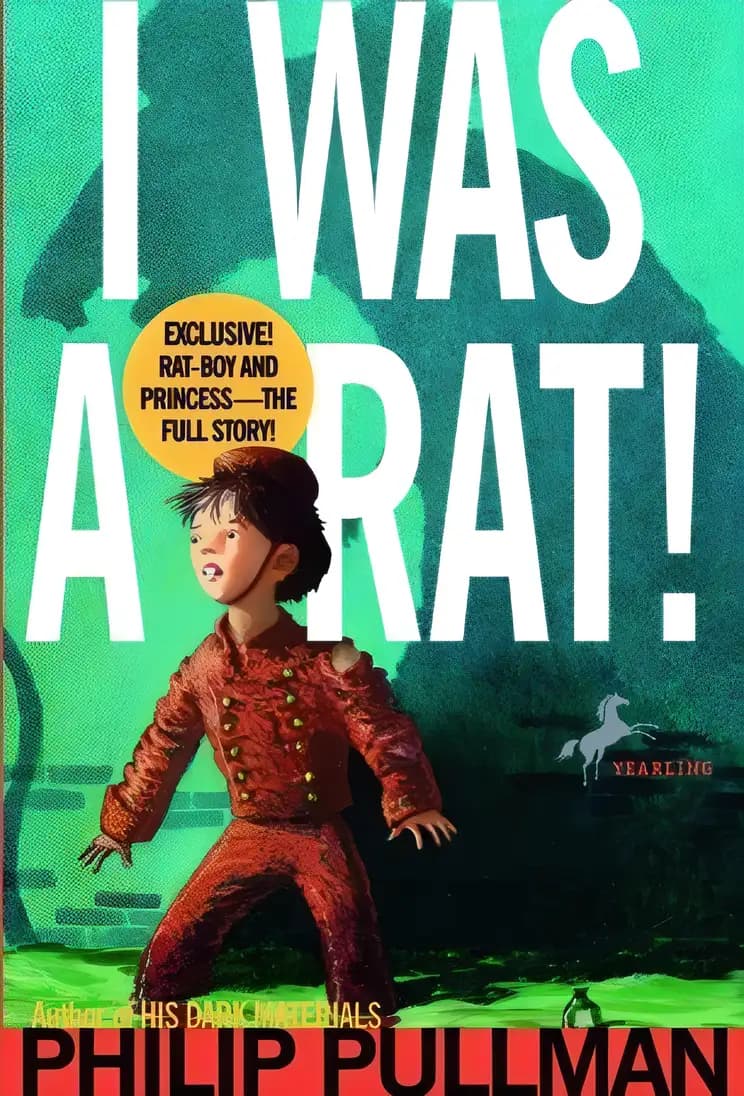
“I Was a Rat!” follows the story of a boy named Roger who insists he was once a rat. The world sees him in various lights: a monster, a victim of delusion, a fairground freak, a thief, and more. Only three people believe he is just an ordinary boy. Amidst a Royal Wedding and press parody, it may take royal intervention and magic to convince everyone else. This tale creatively mixes humor, fairy tale, and adventure to explore themes of identity and acceptance.
Age
8-12
Length
176 pages
Text complexity
Character compass
Roger
Joan
Bob
Mr. Tapscrew
Discussion points
What do you think it felt like for the character to believe he was a rat?
How did the people in the story react to the boy, and why do you think they reacted that way?
What do you think is the message of the story? How does it make you feel?
Can you think of a time when you felt misunderstood like the boy? What happened?
What would you have done differently if you were a character in the book?
Tip: Role play these questions
Encourage empathy by asking your child to express how they would feel in the character's situation.
Discuss the importance of acceptance and understanding differences, linking them to real-life scenarios your child might encounter.
Highlight the transformations and growth of characters throughout the book to help your child grasp the concept of personal development and change.
Use examples from the book to teach your child about the consequences of actions and the importance of making thoughtful decisions.
Key lessons
Example Lesson: Empathy and Understanding
Explanation: The protagonist, believing himself to be a rat turned into a boy, faces various challenges and misunderstandings in the human world. His journey highlights the importance of empathy as characters in the story learn to understand and accept his unique situation.
Real-World Application: Children can learn to consider the feelings and perspectives of others who may seem different from them, fostering a more inclusive and empathetic approach in their daily interactions.
Example Lesson: Identity and Self-Discovery
Explanation: Throughout the book, the main character's quest to understand his true identity encourages readers to think about their own sense of self. This exploration promotes self-awareness and confidence.
Real-World Application: This lesson can help children embrace their individuality and develop a strong sense of who they are, empowering them to express themselves authentically in school and social settings.
Example Lesson: Resilience and Perseverance
Explanation: Faced with confusing and sometimes hostile environments, the character's determination to find his place in the world exemplifies resilience. His journey inspires readers to persevere through their own challenges.
Real-World Application: Kids can apply this lesson by not giving up when faced with difficulties, whether in their academic pursuits, personal goals, or relationships.
Example Lesson: The Importance of Honesty
Explanation: As the story unfolds, the truth about the protagonist’s origins comes to light, teaching readers the value of honesty and transparency in building trust and understanding.
Real-World Application: Children can learn the significance of being truthful in their everyday interactions, which can lead to stronger, more trusting relationships with friends and family.
Example Lesson: Judgment and Critical Thinking
Explanation: The narrative encourages readers to question assumptions and think critically about what they are told, as characters often jump to conclusions about the boy's behavior based on his appearance.
Real-World Application: This encourages children to develop critical thinking skills, enhancing their ability to make informed decisions and not simply accept things at face value.