
In Our Skin
on Goodreads (21)
What’s inside...
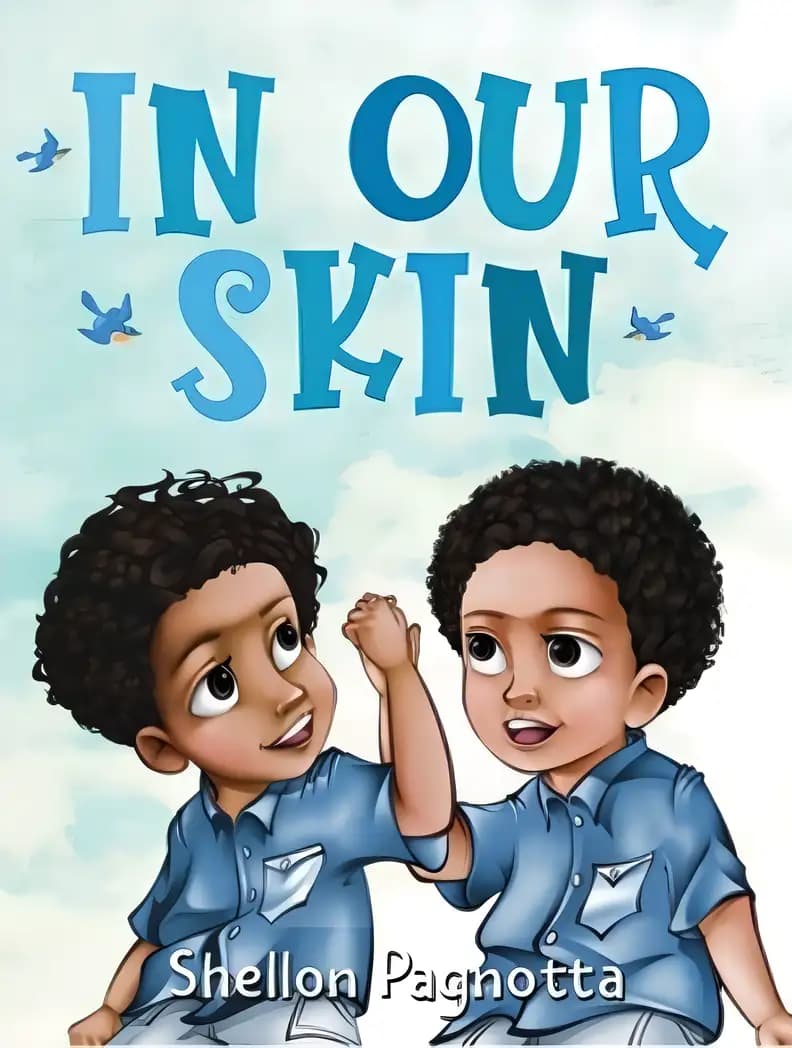
This book provides an accessible introduction for parents to discuss race, acceptance, and understanding with their children through the story of fraternal twins, Anthony and Giovanni. As the twins begin to notice their differences in skin color, hair texture, and personal preferences, they ask their parents important questions about these differences. Through engaging illustrations and clear prose, the book teaches children the important lesson that despite external differences, everyone is loved equally and it's what's on the inside that matters most.
Age
2-12
Length
28 pages
Text complexity
Discussion points
What makes you feel unique, just like the characters in 'In Our Skin'?
How do you think the characters felt when they shared their stories?
Why do you think it's important to celebrate what makes us different?
How can we show kindness and understanding to people who are different from us?
Tip: Role play these questions
Validate your child's feelings and thoughts as they share, making sure they feel heard and understood.
Use examples from the book to discuss the importance of diversity and inclusivity in a way that's relatable to your child.
Encourage your child to share their own experiences related to the themes in the book, fostering a deeper personal connection.
Highlight the colorful illustrations and ask your child how the colors and images make them feel, linking emotions to visual cues.
Key lessons
Example Lesson: Diversity and Acceptance
Explanation: Through its vibrant illustrations and characters from diverse backgrounds, 'In Our Skin' showcases the beauty and strength in our differences.
Real-World Application: Children learn to embrace and respect diverse cultures and appearances, helping them develop empathy and social skills.
Example Lesson: Self-esteem and Confidence
Explanation: 'In Our Skin' communicates the message that everyone is unique and special in their own way, promoting a positive self-image among children.
Real-World Application: This lesson encourages children to feel confident in their own skin and boosts their self-esteem, which is crucial for personal development.
Example Lesson: Inclusivity and Friendship
Explanation: The book portrays characters engaging in inclusive play, demonstrating how inclusivity can foster friendship and understanding.
Real-World Application: Children are taught to include everyone in their activities, preventing exclusion and promoting harmonious playtimes.
Example Lesson: Empathy and Compassion
Explanation: As characters in the book express different emotions and situations, readers learn to understand and share the feelings of others.
Real-World Application: Such stories prepare children to be considerate in their interactions and to support their friends and peers in times of need.
Example Lesson: Critical Thinking About Prejudices
Explanation: Characters in 'In Our Skin' challenge stereotypes and encourage readers to think critically about preconceived notions regarding race and culture.
Real-World Application: This equips children with the skills to question biases and make informed, fair judgments about others.