
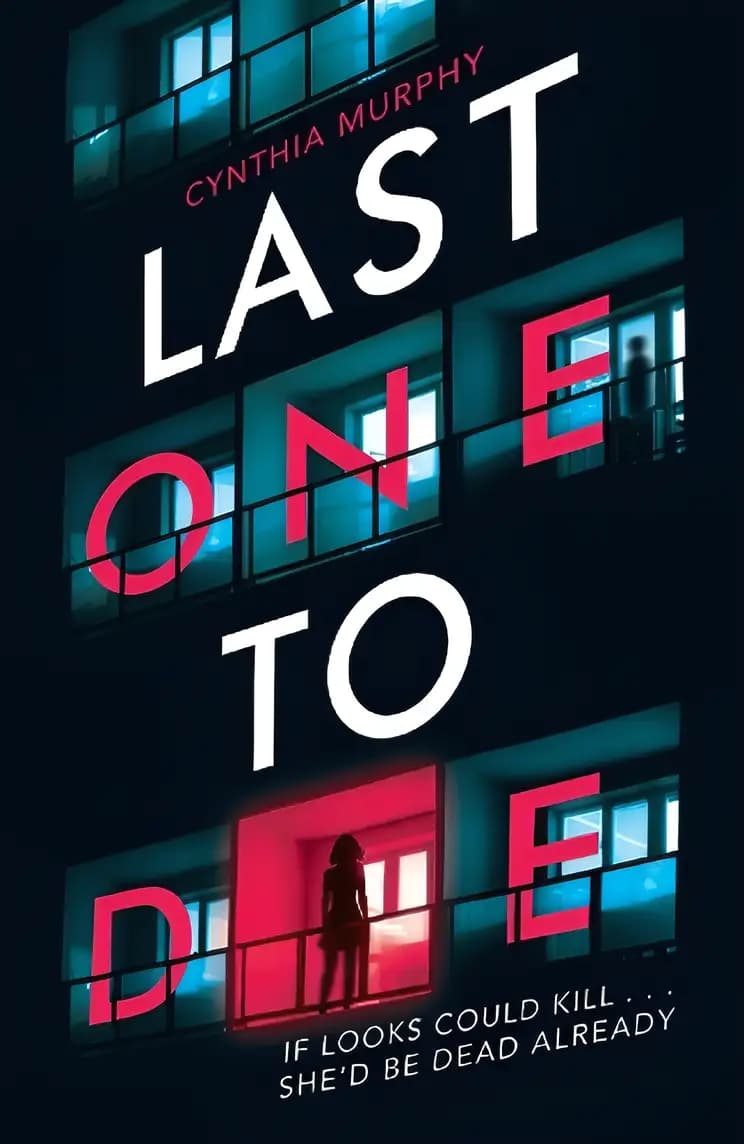
Last One To Die
illustrations by
on Goodreads (4,744)
What’s inside...
In 'Last One To Die', 16-year-old Niamh from Ireland arrives in London for a summer Drama Course and starts working at the Victorian Museum. Soon, she discovers that girls resembling her are being targeted by an attacker. As she delves deeper, she finds connections between present-day attacks and the museum's eerie Victorian history. Amidst growing danger, Niamh must use her wit and courage to uncover the truth and survive the deadly game that engulfs her. This supernatural thriller combines a classic slasher-movie feel with suspenseful, voice-driven storytelling.
Age
12-17
Length
294 pages
Text complexity
Discussion points
What do you think motivated the characters to make the choices they did?
How did the friendships in the story impact the decisions and actions of the characters?
What would you do if you were in the same situation as the main character?
How do you think the story would change if it was set in our hometown?
What lessons did you learn from the story that you can apply to your own life?
Tip: Role play these questions
Encourage your child to put themselves in the shoes of the characters, fostering empathy and a deeper engagement with the narrative. Utilize pauses after key moments in the story to ask how your child feels about the decisions made by the characters. Highlight parallels between the book's themes and your child's everyday experiences to make the story more relatable. Applaud your child's insights or perspectives, reinforcing their confidence in expressing their thoughts and feelings.
Key lessons
Example Lesson: Resilience in the face of challenges
Explanation: The protagonist in 'Last One To Die' encounters numerous obstacles but consistently finds ways to overcome them, showcasing perseverance.
Real-World Application: Children can learn to tackle their own challenges, such as difficulties in school or social situations, with persistence and determination.
Example Lesson: Value of friendship
Explanation: Throughout the story, the protagonist relies on friends for support and assistance, highlighting the importance of nurturing relationships.
Real-World Application: This can teach children the importance of friendship in everyday life and encourage them to support and cherish their friends.
Example Lesson: Importance of honesty
Explanation: Characters in the book face consequences for deceit which serves as a lesson on the importance of being truthful.
Real-World Application: Children can understand the significance of honesty in building trust and maintaining healthy relationships with peers and adults.
Example Lesson: Courage to face fears
Explanation: The characters often encounter frightening situations, yet they muster the courage to confront their fears head-on.
Real-World Application: This can inspire children to face their own fears, whether it's trying out for a sports team, performing in a school play, or standing up for themselves.
Example Lesson: Consequences of actions
Explanation: The book clearly demonstrates how characters' decisions lead to certain outcomes, teaching the readers about accountability.
Real-World Application: Children can learn to think about the consequences before acting, helping them make more thoughtful decisions in real life.