
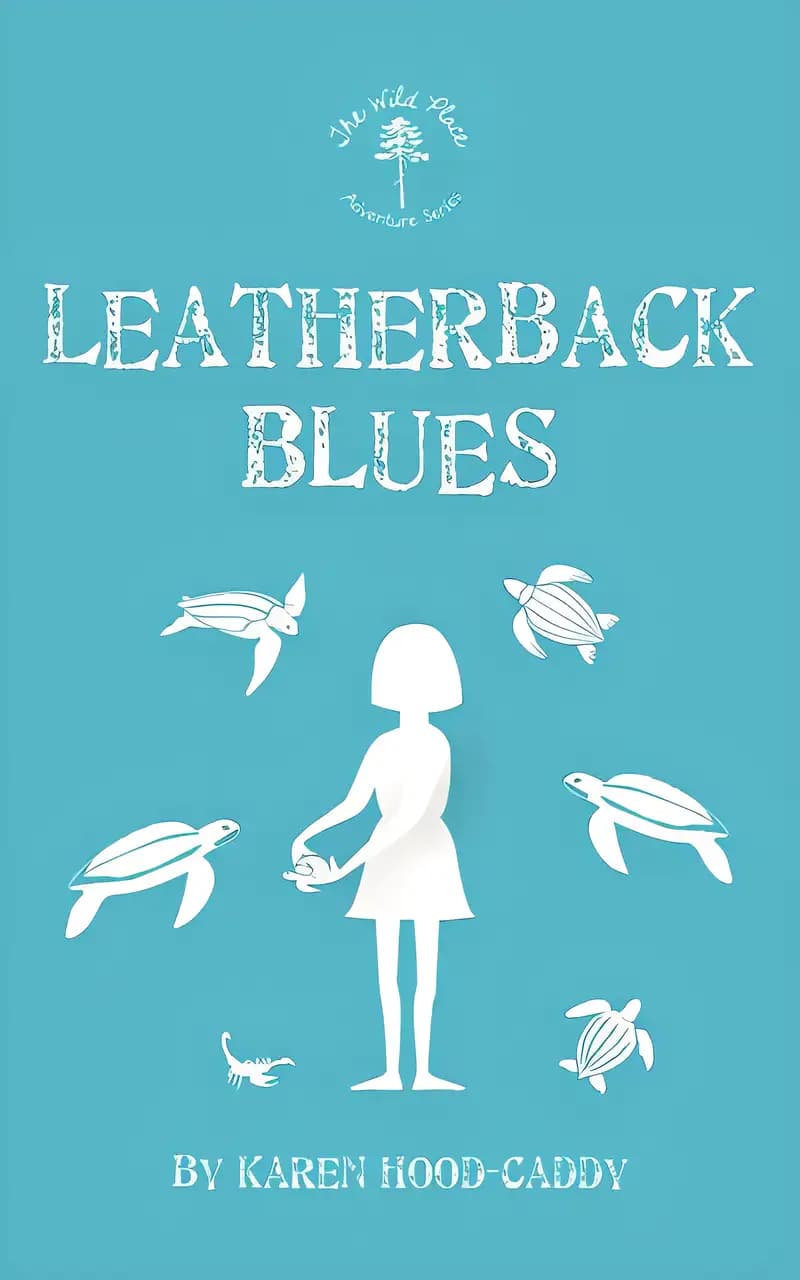
Leatherback Blues: The Wild Place Adventure Series
#4 in The Wild Place Adventure Series
on Goodreads (13)
What’s inside...
Robin Green is carrying on her work rescuing vulnerable animals at The Wild Place Animal Shelter when she and Zo-Zo get an amazing chance to help protect sea turtles in Central America. Worried about the bugs, the heat, and the threat of poachers, Robin faces her fears and travels there with Zo-Zo, her brother, Squirm, and her eccentric grandmother, Griff. It only takes one scorpion sting before Robin wants to go home, but the unbelievable sight of a leatherback turtle laying eggs on the beach changes her mind. Just when the group starts making progress, the poachers strike back. Suddenly, the turtles aren't the only ones who need rescuing! Can Robin and Zo-Zo find a way out?
Character compass
Wil Tuck
Sophie
Discussion points
What do you think Robin was feeling when she discovered the leatherback turtle? Can you relate to her emotions?
Why is it important to protect endangered animals like the leatherback turtle?
How did the characters in the book work together to solve problems? What can we learn from their teamwork?
What are some ways we can help protect wildlife in our own community?
If you could talk to any character in the book, who would it be and what would you ask them?
Tip: Role play these questions
Encourage your child to express their thoughts and feelings about the book by asking them how they felt after reading certain passages.
Discuss the importance of nature conservation, drawing parallels between the book's themes and real-world issues.
Highlight the character traits of Robin and other characters, such as bravery and compassion, and ask your child to reflect on how they can demonstrate similar qualities.
Use the book as a springboard to plan a family activity that supports local wildlife, such as visiting a nature reserve or adopting a beach to clean up.
After discussing each question, relate your child's responses back to their own life, helping them connect the lessons from the book to their own experiences and actions.
Key lessons
Example Lesson: Environmental Conservation
Explanation: In 'Leatherback Blues,' the protagonist, Robin, actively participates in rescuing a leatherback turtle. This storyline teaches the importance of protecting endangered species and preserving natural habitats.
Real-World Application: Children can be encouraged to participate in local environmental initiatives, learn about recycling, or engage in activities like tree planting to support their own communities’ ecosystems.
Example Lesson: Teamwork and Collaboration
Explanation: Throughout the book, Robin collaborates with friends and community members to save the leatherback turtle. This highlights the power of working together towards a common goal.
Real-World Application: Children can apply this lesson by engaging in group projects at school, participating in team sports, or collaborating with siblings on household chores.
Example Lesson: Problem-solving Skills
Explanation: Robin faces several challenges in his quest to save the turtle, for which he needs to devise creative solutions.
Real-World Application: In everyday life, children can use problem-solving skills learned from the book to navigate challenges at school, in friendships, or during other activities.
Example Lesson: Persistence and Resilience
Explanation: Despite obstacles, Robin remains determined to rescue the turtle, showcasing resilience.
Real-World Application: This teaches children the value of persistence in achieving goals, whether it's finishing a difficult homework assignment, mastering a new skill, or resolving conflicts with peers.
Example Lesson: Empathy and Care for Others
Explanation: Robin’s deep empathy for the leatherback turtle and his commitment to its well-being represent a broader lesson on caring for others.
Real-World Application: Children can learn to show empathy and understanding in their interactions with friends and family members, helping them to build strong, supportive relationships.