
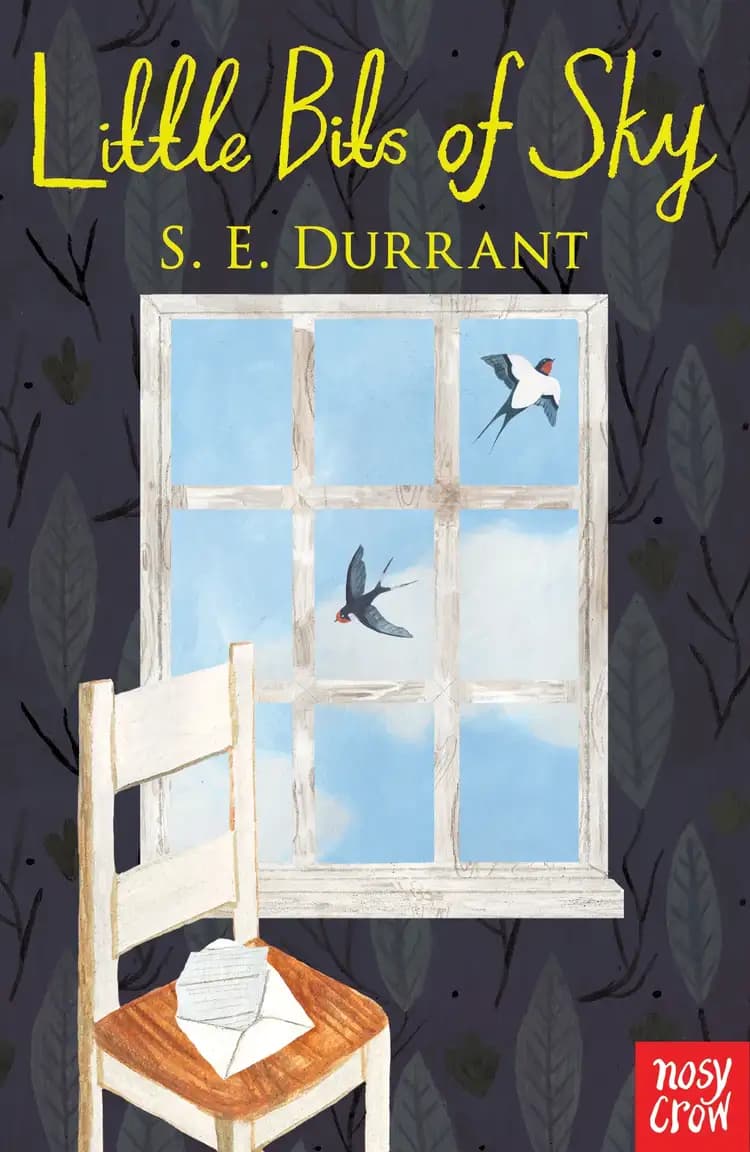
Little Bits of Sky
on Goodreads (644)
What’s inside...
I’ve put this story together from the diaries I kept when Zac and I were children. I wrote them because I felt we were almost invisible and I wanted to make sure our story was told, and also in the hope that life would get better for the small unloved girl that was me, and my even smaller unloved brother. And if life didn’t get better or at least more interesting I was going to make it up – to put in witches and castles and rides in fast cars. But I didn’t need to. Life got exciting all by itself… It’s 1987 and Ira and Zac are being uprooted once again, this time to Skilly House, a home for social care children. Their lives over the next few years are beautifully realised amongst the antipathy of the authorities, the drama of the poll tax riots and the moments of peace and hope Ira finds at Skilly and further afield. This is a memorable and moving tale about growing up, making friends and finding a home.
Age
8-12
Length
204 pages
Text complexity
Character compass
Ira Jenkins
Zac Jenkins
Martha
Miss Clanks
Discussion points
How do you think Ira and Zac felt when they moved to Skilly House? Can you relate to their experiences?
What role do you think hope plays in the story, particularly with the snippets of sky Ira collects?
How did the relationship between Ira, Zac, and Martha evolve throughout the story? What do you think made them grow closer?
What did you learn about family from this book? Who do you consider as family?
What did the 'little bits of sky' symbolize for Ira and how did they change her outlook on life?
Tip: Role play these questions
Create a comfortable, quiet reading space to discuss 'Little Bits of Sky' where your child feels free to express their thoughts and feelings about the story.
Use empathetic listening. Acknowledge your child's responses to the questions without interruption, showing you value their perspective.
Draw parallels between the book and your child’s experiences, which can help them make personal connections to the characters and themes.
Encourage your child to imagine alternative scenarios or endings for the story, fostering creative thinking and deeper engagement with the text.
Highlight the elements of hope and resilience in the story, discussing how these themes can be applied to real-life challenges.
Key lessons
Example Lesson: Resilience in the face of adversity
Explanation: The story follows siblings Ira and Zac, who navigate the challenges of growing up in foster care. Their resilience shines as they remain hopeful and supportive of each other despite uncertainties.
Real-World Application: Children can learn to face their own challenges with a positive attitude and support from their loved ones, helping them to overcome difficulties and grow stronger.
Example Lesson: Importance of family and belonging
Explanation: Throughout the book, Ira and Zac’s quest for a permanent home underscores the significance of family and the sense of belonging. Their journey highlights how crucial familial bonds are, irrespective of biological ties.
Real-World Application: This encourages children to appreciate and cherish their family and friends, recognizing the support and love that these relationships provide in their lives.
Example Lesson: Empathy and understanding
Explanation: As readers witness the struggles and perspectives of Ira and Zac, they learn to empathize with people who might have different life experiences. This is particularly poignant through the characters' interactions and emotional growth.
Real-World Application: Children can apply this understanding by showing empathy towards classmates and peers, fostering a more inclusive and supportive community environment.
Example Lesson: Courage to embrace change
Explanation: The book portrays the siblings' journey through changes as they move between homes and face life’s uncertainties. Their courage in these situations provides a powerful model for coping with change.
Real-World Application: This lesson equips children to bravely face changes in their own lives, such as moving to a new city or changing schools, using it as an opportunity for growth and new experiences.
Example Lesson: Appreciating the small joys in life
Explanation: Despite the hardships, Ira and Zac find happiness in small moments, like a clear sky or a friendly gesture. This element teaches the value of finding joy in everyday moments.
Real-World Application: Children learn to observe and cherish the little pleasures in life, enhancing their overall gratitude and happiness.