
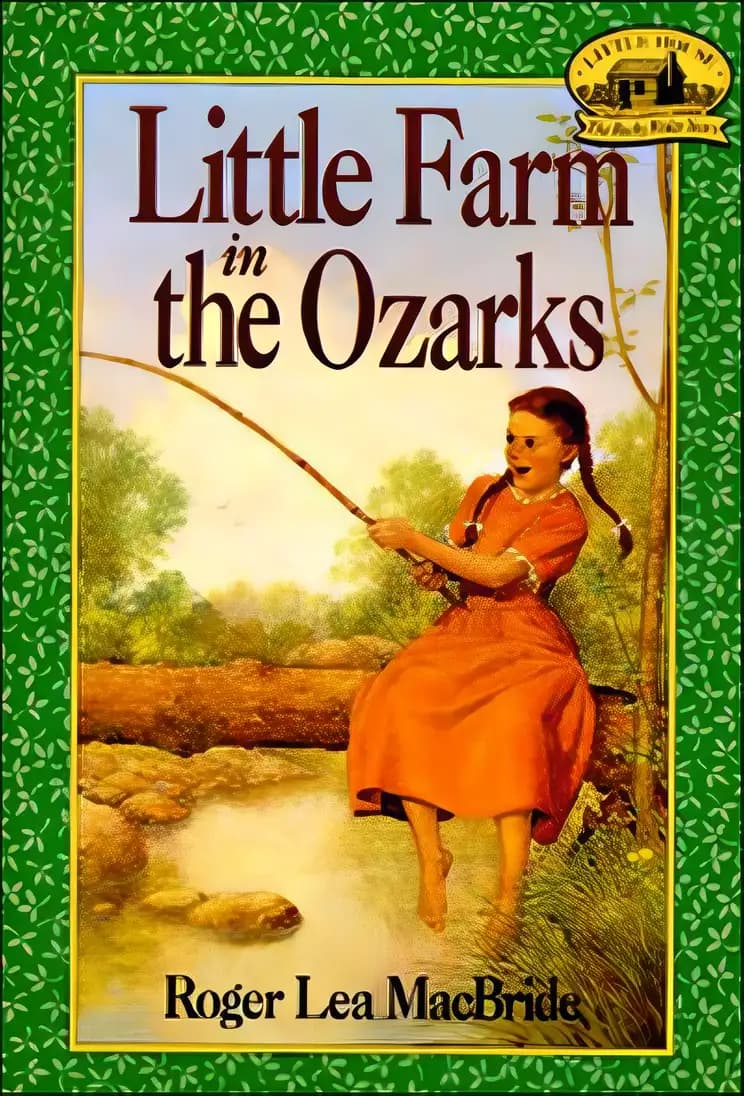
Little Farm in the Ozarks (Little House, The Rocky Ridge Years)
#2 of 8 in Little House: The Rose Years Series
What’s inside...
The second book in the Rose Years series follows the story of Rose Wilder, the daughter of Laura Ingalls Wilder, author of the Little House series. Rose and her parents move to the Missouri Ozarks to start a new life at Rocky Ridge Farm. Throughout her first year, Rose experiences many firsts, including going fishing, starting in a new school, and saving the farmhouse from a fire. Although she initially feels out of place, Rose gradually gains confidence and begins to feel at home in her new surroundings.
Character compass
Rose Wilder
Almanzo Wilder
Laura Ingalls Wilder
Rose Wilder Lane
Discussion points
What do you think life was like on the farm for Rose? How is it different from where we live?
Which character in the book did you like the most, and why?
What challenges did the characters face and how did they overcome them?
If you were living in the Ozarks like Rose, what would you do differently?
How do you think working together helps Rose and her family in their daily farm life?
Tip: Role play these questions
Before starting the discussion, ask your child to think about their favorite moment or character in the book to help them connect personally with the story.
Encourage your child to express their thoughts about the farm life depicted in the book, and relate it to their everyday experiences for a comprehensive understanding.
While discussing the challenges faced by the characters, relate them to obstacles your child might face, and discuss possible solutions together.
Use the discussion to highlight the values of hard work, cooperation, and family support as seen in the book, reinforcing these values in your child’s life.
Key lessons
Example Lesson: Responsibility
Explanation: In 'Little Farm in the Ozarks,' the main characters take on chores and tasks around the farm, demonstrating the importance of fulfilling responsibilities.
Real-World Application: Children can apply this lesson by taking on age-appropriate tasks at home, such as cleaning their room or helping to set the table, which can foster a sense of accountability and contribution.
Example Lesson: Perseverance
Explanation: The book shows characters dealing with various challenges on the farm, highlighting the value of perseverance through difficult times.
Real-World Application: This lesson can help children understand the importance of not giving up when faced with challenges in school or in learning new skills.
Example Lesson: Family Bonding
Explanation: Through shared work and experiences, the characters in the book show strong family connections and support, emphasizing the importance of family bonding.
Real-World Application: Children can learn to value spending quality time with family, whether through shared activities or supporting each other in daily tasks.
Example Lesson: Respect for Nature
Explanation: The narrative includes interactions with the natural environment of the Ozarks, teaching readers to respect and appreciate nature.
Real-World Application: Children can be encouraged to explore and protect their natural surroundings, whether it's a local park or a backyard, promoting environmental stewardship.