
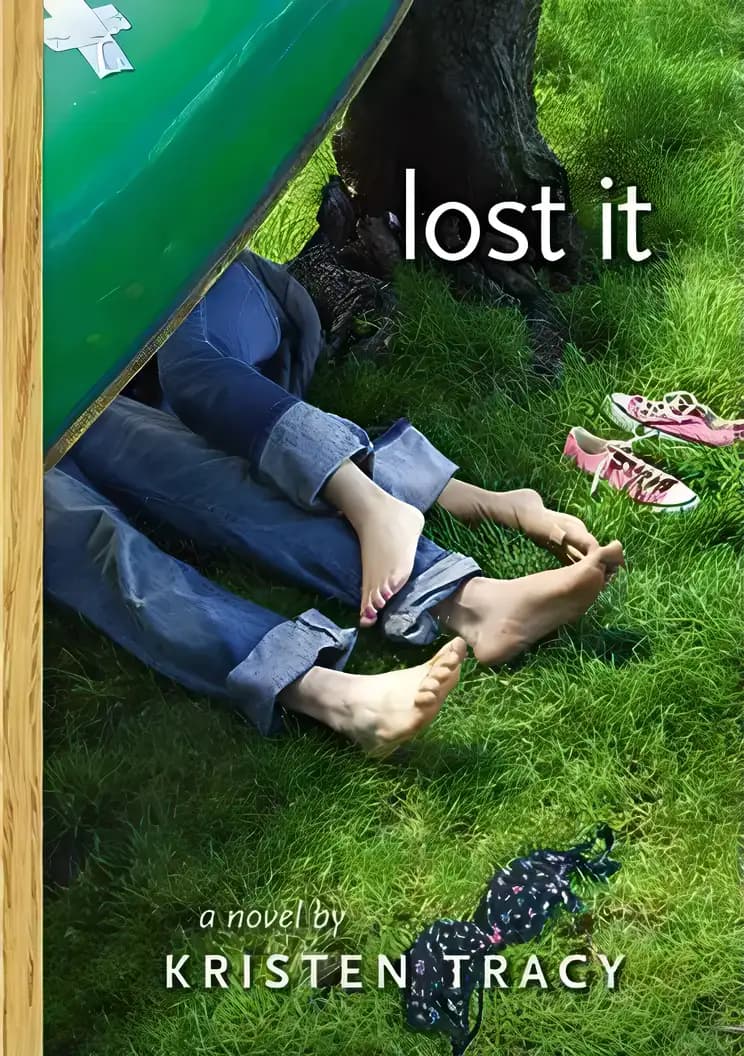
Lost It
on Goodreads (4,086)
What’s inside...
Tess Whistle's junior year of high school is filled with bizarre situations including a best friend plotting against a neighborhood poodle, her parents moving to a survival camp, and receiving questionable underwear from her grandmother. Despite these challenges, Tess maintains her sense of humor and enjoys her first real relationship, navigating through the chaos with resilience. But more surprises await, including exploding shoes.
Age
13-14
Length
276 pages
Text complexity
Character compass
Tess Whistle
Ben Easter
Mr. Whistle
Zena
Discussion points
How do you think Lane felt when she lost her lucky marble? Can you describe a time you lost something important?
What are some ways Lane tried to solve her problem in the story? What would you have done in her situation?
Why is it important to have friends like Lane had in the story? How do friends help us when we're feeling upset or worried?
Lane had to face her fears to solve her problem. What are some fears you've faced and how did you overcome them?
Tip: Role play these questions
Encourage your child to express their emotions by relating to Lane’s feelings of loss. Ask how they would feel and what they would do in a similar situation.
Discuss the importance of problem-solving and teamwork. Highlight how Lane worked with her friends and ask your child about a time they solved a problem with others.
Explore the theme of resilience by talking about how Lane dealt with her challenges. Praise your child for times they have shown resilience in difficult situations.
Before reading, ask your child to predict what might happen in the story based on the title and cover. After reading, revisit these predictions to see which ones were right.
Key lessons
Example Lesson: Responsibility
Explanation: In 'Lost It', the main character learns to take responsibility for her actions when she misplaces something important.
Real-World Application: Children can apply this lesson by managing their belongings and understanding the importance of being responsible for their own items and actions.
Example Lesson: Problem-solving
Explanation: The protagonist faces the challenge of retrieving the lost item, which involves critical thinking and decision-making skills.
Real-World Application: This encourages children to approach problems calmly and thoughtfully, using logical steps to find solutions in everyday challenges.
Example Lesson: Empathy
Explanation: Throughout the story, understanding and compassion are shown towards characters who are impacted by the lost item, promoting empathy.
Real-World Application: Children learn to consider the feelings of others and the impact of their actions, helping them develop healthier interpersonal relationships.
Example Lesson: Resilience
Explanation: The main character faces setbacks in the search for the lost item but persists despite difficulties, showcasing resilience.
Real-World Application: This teaches children to persevere through their challenges and not to give up easily, even when facing obstacles.
Example Lesson: Honesty
Explanation: Confronting the truth about losing something important, the character learns the value of honesty when dealing with mistakes.
Real-World Application: This lesson underscores the importance of being truthful in difficult situations, helping children build trust with their peers and adults.