
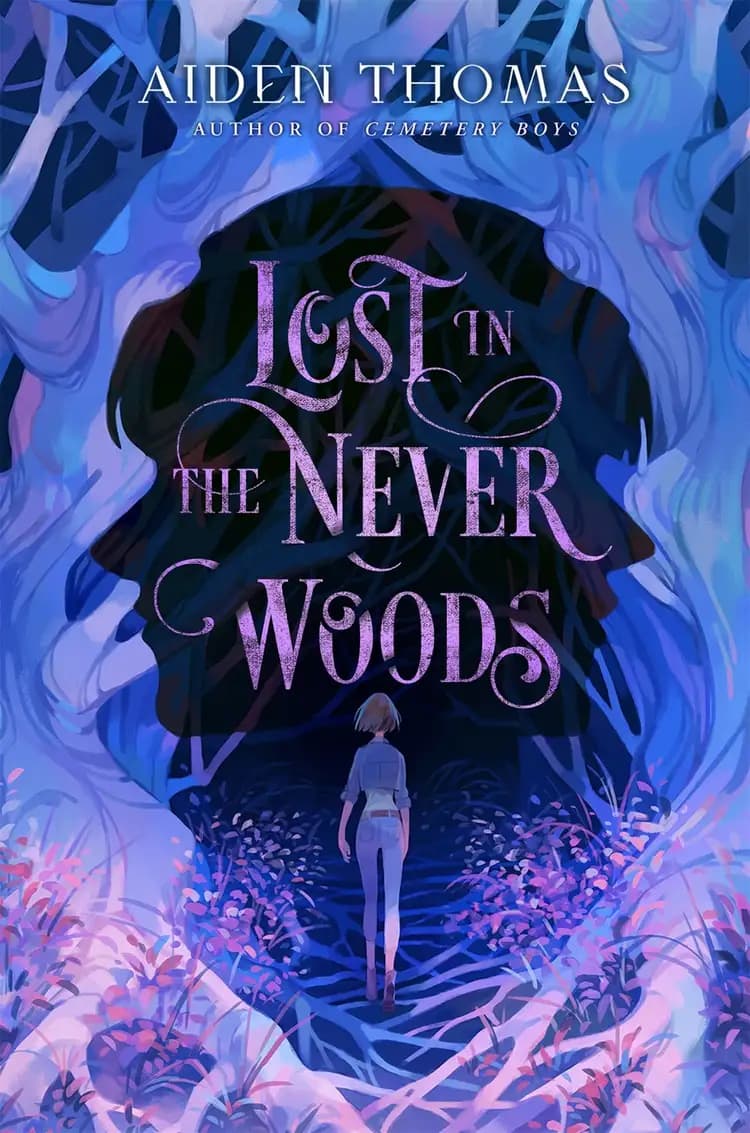
Lost in the Never Woods
on Goodreads (17,636)
What’s inside...
When children go missing in the small coastal town of Astoria, people look to Wendy for answers. It's been five years since Wendy and her two brothers went missing in the woods, but when the town’s children start to disappear, the questions surrounding her brothers’ mysterious circumstances are brought back into light. Attempting to flee her past, Wendy almost runs over an unconscious boy lying in the middle of the road, and gets pulled into the mystery haunting the town. Peter, a boy she thought lived only in her stories, claims that if they don't do something, the missing children will meet the same fate as her brothers. In order to find them and rescue the missing kids, Wendy must confront what's waiting for her in the woods.
Age
13-18
Length
384 pages
Text complexity
Character compass
Wendy Darling
Peter Pan
Discussion points
How do you think Wendy felt when she had to face her past? Can you relate to her emotions?
What does the forest symbolize in the story? What do you think it represents in real life?
Peter Pan is a character who doesn’t want to grow up. Why do you think staying a child forever might seem appealing?
How do the themes of loss and recovery in the book resonate with you? Have you ever lost something important and had to find it again?
Tip: Role play these questions
Encourage your child to express their feelings about the characters' decisions, asking how they might have reacted in similar situations.
Discuss the symbolism of the forest, prompting your child to think about places or things in their own life that might represent something bigger.
Ask your child about the idea of growing up and what aspects of being a child or an adult are appealing to them.
Relate the themes of the book to personal experiences of loss and recovery to help your child connect more deeply with the story.
Key lessons
Example Lesson: Overcoming fears
Explanation: In 'Lost in the Never Woods', the protagonist Wendy faces her fears in the mysterious woods which is a pivotal part of her emotional growth throughout the story.
Real-World Application: Children learn that facing their fears, no matter how daunting, can lead to personal growth and overcoming obstacles in real life.
Example Lesson: Importance of responsibility
Explanation: Wendy takes on the responsibility of caring for her brothers and helping to find other missing children, showcasing the maturation of her character.
Real-World Application: This teaches children the value of responsibility towards family and others, encouraging them to take active roles in helping within their communities and homes.
Example Lesson: Power of belief
Explanation: The story highlights how belief and hope can lead to magical outcomes, as Wendy's belief in herself and Peter Pan plays a crucial role in resolving the conflicts in the book.
Real-World Application: Children can learn that believing in themselves and maintaining hope can help them achieve seemingly impossible tasks and navigate difficult situations.
Example Lesson: The importance of processing and healing from trauma
Explanation: Wendy deals with past traumas and learns to process and heal from them throughout the story, which is crucial for her development and ability to move forward.
Real-World Application: It underscores to children that it’s important to acknowledge and work through emotional pain, and that seeking help and healing is a strength, not a weakness.