
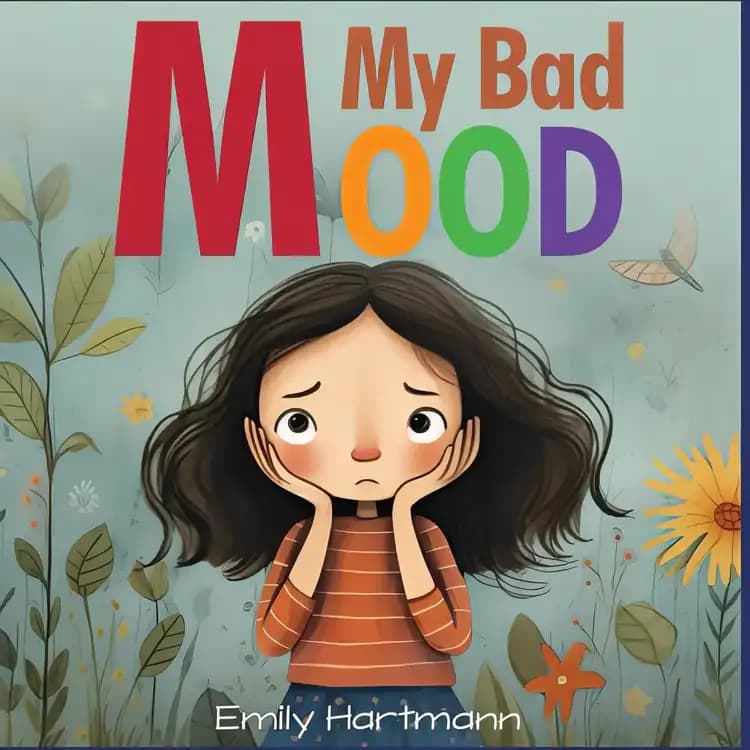
My Bad Mood: Anger Management For Children
#2 of 9 in The Kids' Books of Social Emotional Learning Series
on Goodreads (1)
What’s inside...
In this delightful and colorful picture book, kids will learn about different ways to cope with their anger. Dancing, drawing, cuddling, and breathing are some techniques presented to help lift their spirits. Catchy rhymes and cute illustrations encourage kids to turn their frowns upside down and appreciate the good things in life. The book emphasizes developing coping and resilience skills, understanding the causes and effects of mood, and celebrating individuality. Ideal for kids ages 3-5, it serves as an excellent resource for parents, teachers, and counselors.
Discussion points
What do you think made the character feel so angry?
How do you feel when you get angry, and what helps you calm down?
Can you remember a time when you felt like the character? What did you do?
What are some ways we can help each other when we're feeling angry?
How do you think the story would change if the character did not learn to manage their anger?
Tip: Role play these questions
Encourage your child to express their feelings about the book and relate them to their personal experiences. Listen attentively to their responses, and validate their feelings, showing empathy and understanding. Use the character’s experiences in the book as a reference point for discussing healthy ways to handle emotions. Make connections to real-life scenarios where they or someone they know may have felt similar emotions. Praise their efforts to articulate their thoughts and feelings, fostering a caring and open environment for such discussions.
Key lessons
Example Lesson: Understanding and managing emotions
Explanation: The book guides children through the character's journey of identifying and understanding different emotions, specifically anger.
Real-World Application: Children can use techniques from the book to recognize their feelings and express them in healthy ways in real-life situations, such as during conflicts with friends or while dealing with school stress.
Example Lesson: Empathy development
Explanation: Through interactions with other characters, the protagonist learns to see things from others’ perspectives, fostering empathy.
Real-World Application: This lesson helps children understand how their actions affect others, promoting empathy when they interact with peers and family members.
Example Lesson: Problem-solving skills
Explanation: The book portrays the protagonist solving problems that arise from their anger, teaching children effective conflict resolution.
Real-World Application: Kids can apply these problem-solving techniques to overcome challenges and disputes in school and at play.
Example Lesson: Importance of seeking help
Explanation: The character in the book seeks advice from trusted adults, highlighting the importance of asking for help when overwhelmed.
Real-World Application: Children learn that it’s okay to seek assistance from parents, teachers, or counselors when dealing with difficult emotions or situations.
Example Lesson: Self-regulation techniques
Explanation: The narrative includes methods like deep breathing and counting to ten, which helps the character manage anger.
Real-World Application: Kids can use these self-regulation techniques in their daily lives to control impulses and respond appropriately to frustrating scenarios.