
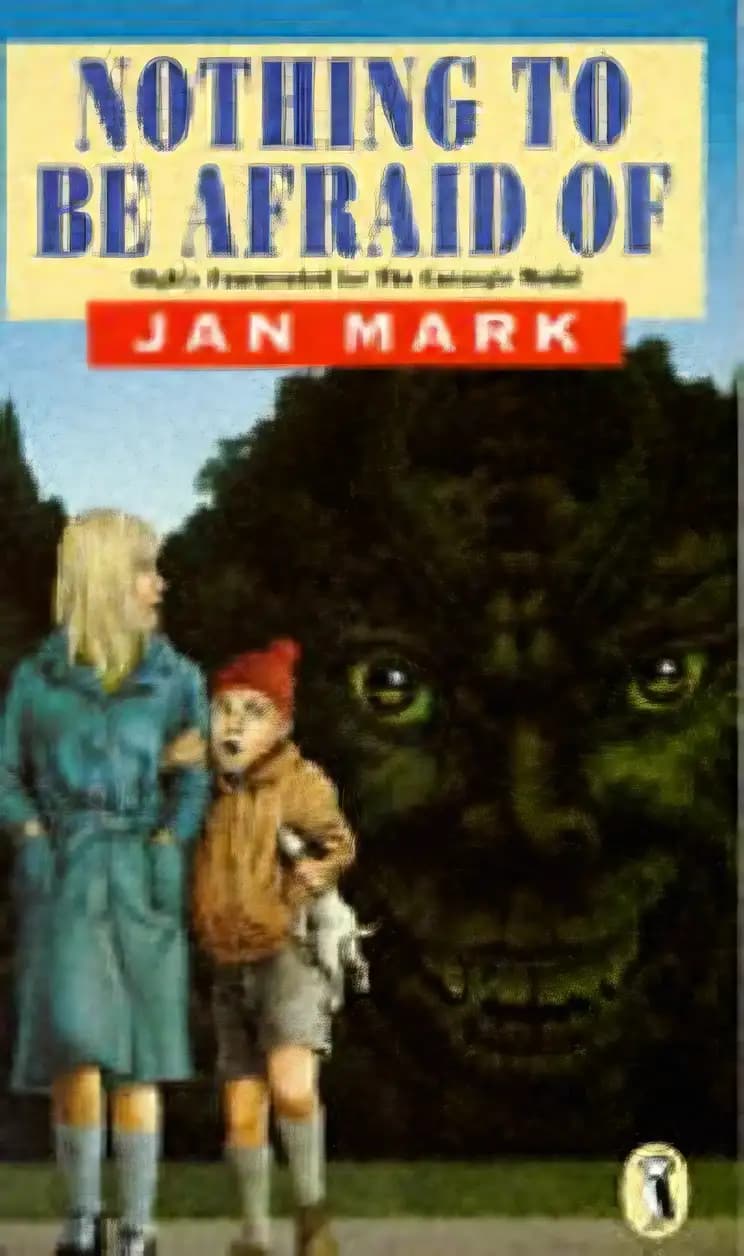
Nothing to be Afraid Of
Neon Animals Picture Books, Neon Animals Picture Books Series
What’s inside...
ANTHONY MADE A FRIEND; MARROW HILL; WILLIAM'S VERSION; DIVINE MELODIOUS TRUTH; THE CORONATION MOB; SEND THREE AND FOURPENCE WE ARE GOING TO A DANCE; NULE.; Nothing to be afraid of
Series reading
Non-Sequential
Age
9-12
Length
128 pages
Text complexity
Discussion points
What do you think the characters in the story were scared of? Have you ever felt the same way?
How did the characters overcome their fears? Can you think of a time when you were brave?
What can we learn from the characters about facing our fears?
How do you think the story would change if the characters didn't support each other?
What are some things you are afraid of and how can we work together to face them?
Tip: Role play these questions
Share a personal story about a time you faced a fear, making the conversation relatable and encouraging your child to open up.
Validate your child's feelings by acknowledging that everyone has fears, and it's okay to be scared sometimes.
Praise your child's past moments of bravery to boost their confidence in tackling fears.
Encourage your child to think of solutions or ways to face fears, empowering them to take action and feel in control.
Use illustrations in the book as a visual aid to discuss the emotions and actions of the characters, making the discussion more engaging and interactive.
Key lessons
Example Lesson: Courage in the face of fear
Explanation: The main character encounters various situations that are initially intimidating but learns to overcome their fear.
Real-World Application: Children can learn to face their own fears, whether it’s trying out for a new sport, talking in front of the class, or sleeping alone in the dark.
Example Lesson: Understanding and empathy
Explanation: As the protagonist meets other characters with their own fears, they learn to understand and empathize with them.
Real-World Application: This encourages children to be supportive and empathetic towards their friends or classmates who may be afraid or feel different.
Example Lesson: Problem-solving
Explanation: The story shows how the characters come up with creative solutions to tackle their fears.
Real-World Application: Kids are inspired to think creatively in solving their own problems and challenges in everyday situations.