
on Goodreads (78)
What’s inside...
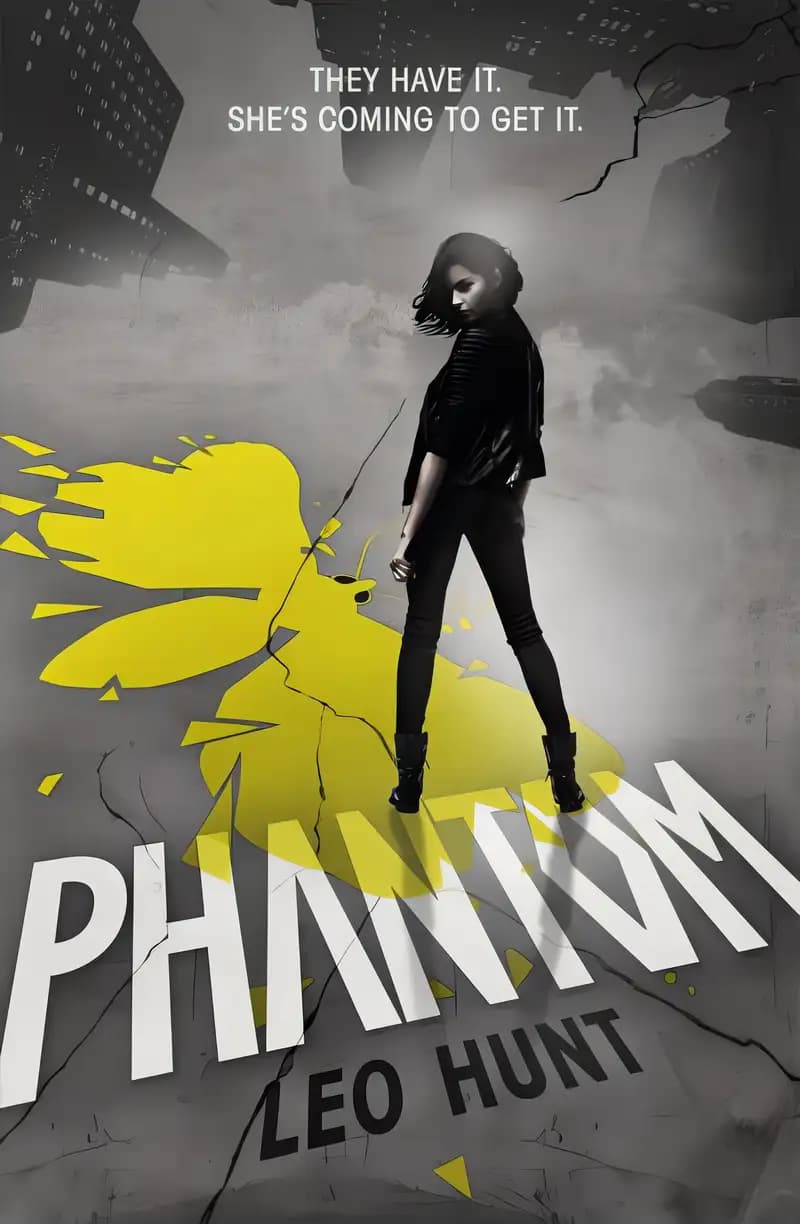
In a futuristic city built high above the poisoned earth, 16-year-old orphan Nova lives in the undercity slums and is a skilled hacker. Aided by the hacking program Phantom, she can infiltrate the City unseen to fulfill her needs. However, her activities attract the attention of the legendary anti-corporate hacker, the Moth, who created Phantom. He recruits Nova for a critical mission that could bring down the corporate-controlled city. As she takes on this risky task, Nova ascends miles into the sky, where the fate of the City hangs in the balance.
Series reading
Non-Sequential
Age
10-14
Length
416 pages
Text complexity
Discussion points
What do you think motivates the Phantom to appear and interact with the characters in the story?
How do the main characters grow and change throughout the book?
If you were in the story, what would you have done differently and why?
Which part of the story did you find the most exciting or surprising?
How do you think the story would change if it was set in today’s world?
Tip: Role play these questions
Start the conversation by sharing your own thoughts about the book, setting a collaborative tone for the discussion.
Encourage your child to describe their favorite scenes or characters, using open-ended questions to guide the conversation.
Use comparisons to real-life situations or personal experiences to help your child connect with the themes of the story.
Compliment your child’s insights and encourage them to elaborate on their ideas to deepen their understanding and engagement.
Suggest re-reading favorite parts together, which can help uncover new details and perspectives to discuss.
Key lessons
Example Lesson: Responsibility
Explanation: In 'Phantom', the protagonist learns to take responsibility for his actions and the effects they have on others, especially when dealing with supernatural elements.
Real-World Application: Children can apply this lesson by taking ownership of their actions, whether it's completing homework or resolving conflicts with siblings.
Example Lesson: Courage
Explanation: The main character faces fears and challenges, stepping out of his comfort zone to deal with the phantoms.
Real-World Application: Kids can learn to confront their fears, be it trying out for a school play, or standing up against bullying.
Example Lesson: Empathy
Explanation: Throughout the book, empathy is a recurring theme as the protagonist learns to understand and feel the emotions of the phantoms, fostering a deeper connection.
Real-World Application: This teaches children to understand and share the feelings of their peers, promoting a more inclusive environment at school or play.
Example Lesson: Friendship
Explanation: As the story unfolds, the importance of friendship is highlighted, showing how bonds can help overcome even supernatural hurdles.
Real-World Application: Children can see the value of maintaining strong friendships and how these relationships provide support during challenging times.
Example Lesson: Problem-Solving
Explanation: The protagonist uses critical thinking to solve the mystery of the phantoms, showcasing effective problem-solving skills.
Real-World Application: This encourages children to use logical reasoning and creativity to solve problems, whether in academic subjects or personal challenges.