
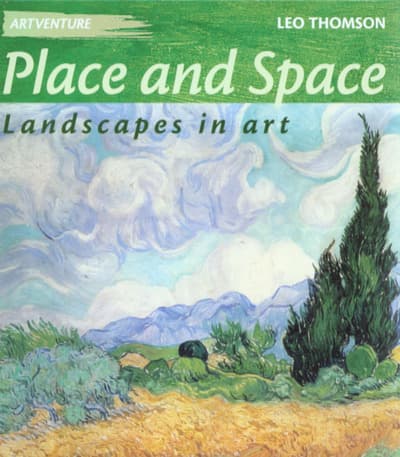
Place and Space : Landscapes in Art
#3 in Artventure Series
What’s inside...
This book explores how artists from various periods and regions have depicted landscapes, showcasing works by notable artists like O'Keeffe, Magritte, and van Gogh. It employs a method inspired by how galleries and museums engage children with art, encouraging readers to reflect on the artists’ techniques and intentions. The book provides background information on the artists and artworks, a glossary, and an index, making it a valuable resource for students aged 9-12 studying art at KS2 and KS3 levels.
Discussion points
What feelings or thoughts do the different landscapes in the book inspire in you?
If you could step into any of the landscapes shown in the book, which one would you choose and why?
How do the colors and shapes used in the landscapes affect the way you feel about them?
Can you imagine a story that might take place in one of these landscapes? What would happen in it?
Which landscape in the book did you find the most interesting and what details caught your attention?
Tip: Role play these questions
Start the conversation by sharing your own thoughts and feelings about a specific landscape in the book to model reflective thinking.
Encourage your child to describe the landscapes in their own words, focusing on sensory descriptions and emotional responses.
Ask your child to compare and contrast different landscapes in the book, fostering critical thinking and attention to detail.
Use the discussion as an opportunity to introduce basic art concepts like color, form, and perspective, making connections to the images in the book.
Create a fun, explorative atmosphere by proposing to draw or create a collage of their favorite landscape from the book together.
Key lessons
Example Lesson: Appreciation of Nature
Explanation: Through vivid illustrations of diverse landscapes, 'Place and Space: Landscapes in Art' encourages children to notice and value the natural world around them.
Real-World Application: Children learn to observe and appreciate their local environment, fostering a connection to nature during outdoor activities and family outings.
Example Lesson: Cultural Awareness
Explanation: Leo Thomson incorporates landscapes from various cultures, highlighting the diverse ways environments influence lifestyles and traditions.
Real-World Application: This lesson helps children understand and respect different cultural perspectives, promoting inclusivity and empathy in their interactions with peers from diverse backgrounds.
Example Lesson: Creativity and Imagination
Explanation: The book inspires children to imagine and create their own interpretations of landscapes using different art mediums showcased in the book.
Real-World Application: Enhances creative thinking skills as children engage in art projects at school or home, helping them express themselves artistically and emotionally.
Example Lesson: Environmental Responsibility
Explanation: Through the depiction of changing landscapes, the book subtly addresses the impact of human activities on the environment.
Real-World Application: Instills a sense of responsibility towards sustainable practices like recycling and conserving water, making children proactive participants in preserving their surroundings.