
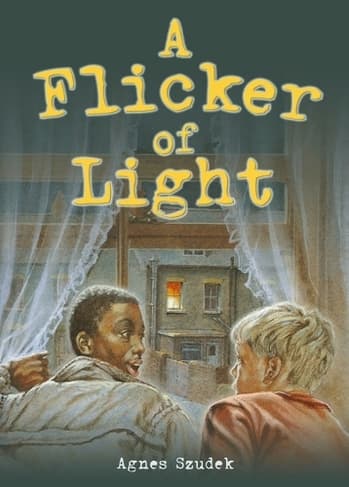
Pocket Tales Year 6 A Flicker of Light
Pocket Tales Series
illustrations by
What’s inside...
In this enchanting tale, a young boy named Milo discovers a magical lantern that illuminates a world of wonder and adventure. As Milo embarks on his journey, he learns valuable lessons about courage, friendship, and the power of light in the darkness. Pocket Tales is part of Pocket Reads, a superb collection of quality books that capture children's imaginations, featuring a variety of genres including Pocket Sci-Fi, Pocket Facts, and Pocket Chillers. Each book is beautifully illustrated and tailored to appeal to reluctant readers as well as provide captivate facts to excite children. The collection includes 105 pocket-sized fiction and non-fiction readers that are carefully levelled to the National Curriculum and Book-Banded to ensure progression in reading.
Series reading
Non-Sequential
Age
10-12
Length
96 pages
Text complexity
Discussion points
What do you think the title 'A Flicker of Light' symbolizes in the story?
How did the characters in the book demonstrate courage and resilience?
What lesson did you learn from the challenges faced by the characters?
Can you think of a time when you felt like a flicker of light in a difficult situation?
How do you think the story would change if it was told from another character’s perspective?
Tip: Role play these questions
Use open-ended questions that encourage your child to think deeply about the themes and characters.
Share personal stories that relate to the themes in the book to foster a deeper connection and understanding.
Encourage your child to draw or write about their favorite scene or character, helping them express their thoughts and feelings about the book.
Discuss the character's decisions and actions, and ask your child what they might have done differently in the same situations.
Celebrate your child's responses and insights, reinforcing their confidence in expressing their thoughts and ideas.
Key lessons
Example Lesson: Perseverance
Explanation: The story showcases characters who face challenges but continue to strive towards their goals, teaching children the importance of perseverance.
Real-World Application: Children can apply this lesson by continuing to work on difficult tasks at school or in extracurricular activities, learning not to give up easily.
Example Lesson: Empathy
Explanation: Characters in the book demonstrate understanding and kindness towards others’ feelings, emphasizing the value of empathy.
Real-World Application: This can help children understand the importance of considering other people's emotions in their interactions and friendships.
Example Lesson: Problem-solving
Explanation: The narrative includes situations where characters must think critically and solve problems, highlighting the skill of problem-solving.
Real-World Application: Children can use these examples to approach their own challenges at school or at home, thinking critically about possible solutions.
Example Lesson: Teamwork
Explanation: The book illustrates how characters work together to overcome obstacles, underlining the effectiveness of teamwork.
Real-World Application: This lesson can encourage children to collaborate with their peers in group projects or team sports.
Example Lesson: Courage
Explanation: Through the adventures of the characters, the story portrays acts of bravery, teaching children the virtue of courage.
Real-World Application: Children can learn to face their own fears and stand up for what is right, whether in confronting a bully or trying something new.