
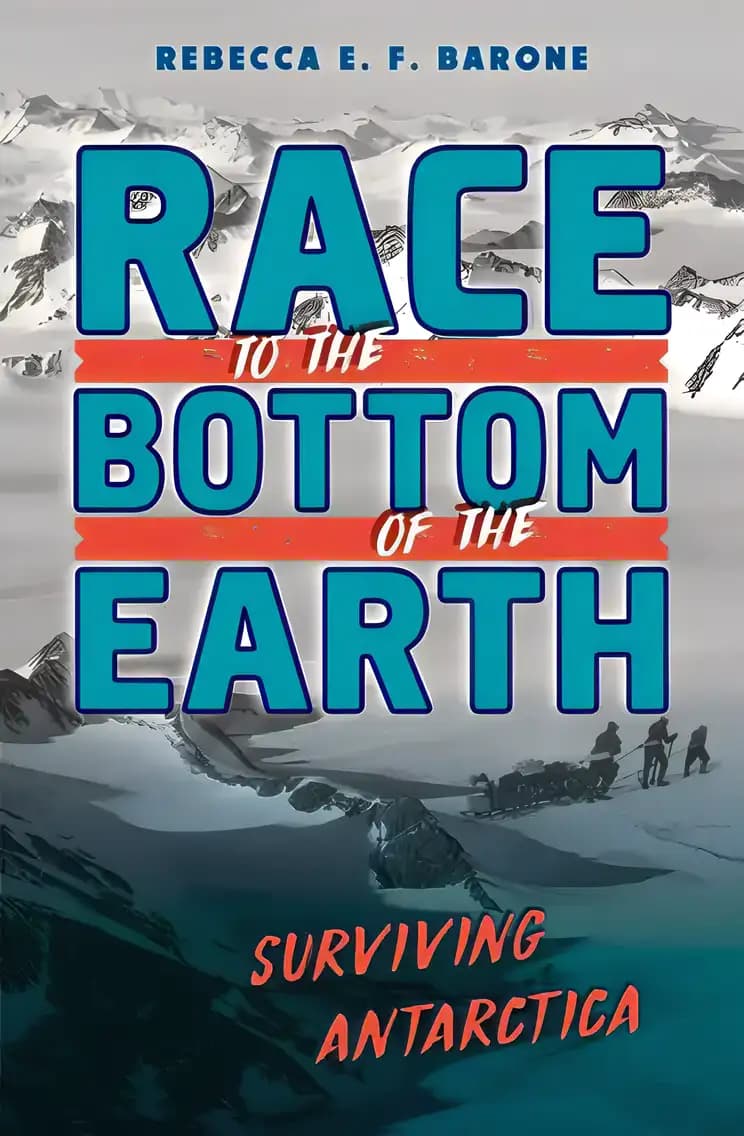
Race to the Bottom of the Earth: Surviving Antarctica
on Goodreads (301)
What’s inside...
Equal parts adventure and STEM, Rebecca E. F. Barone's Race to the Bottom of the Surviving Antarctica is a thrilling nonfiction book for young readers chronicling two treacherous, groundbreaking expeditions to the South Pole—and includes eye-catching photos of the Antarctic landscape. In 1910, Captain Robert Scott prepared his crew for a journey to the South Pole, vowing to get there any way he could, even if it meant looking death in the eye. At the same time, another explorer, Roald Amundsen, aimed for the same goal, turning the expedition into a perilous race. In 2018, Captain Louis Rudd readied for the first unaided, unsupported solo crossing of treacherous Antarctica, unaware that Colin O’Brady was also training for the same trek, determined to beat him to the finish line. This gripping account is perfect for budding scientists, survivalists, and thrill seekers.
Age
8-12
Length
272 pages
Text complexity
Character compass
Colin O’brady
Robert Falcon Scott
Roald Amundsen
Captain Louis Rudd
Discussion points
What do you think motivated the explorers to embark on such a challenging journey to Antarctica?
How did the harsh conditions in Antarctica affect the explorers’ journey?
What would you have done differently if you were an explorer in the story?
How do teamwork and perseverance come into play in this story?
What did you learn about Antarctica that you didn't know before?
Tip: Role play these questions
Before reading the book, ask your child what they already know about Antarctica and what they expect to learn from the story.
As you read, pause at intense moments and ask your child how they feel and what they predict will happen next.
Discuss the importance of perseverance and ask your child about a time they had to keep trying to succeed at something.
After finishing the book, have your child draw a scene from the story and explain why they chose that particular moment.
Encourage your child to think about what character traits are important for an explorer and if they would ever want to go on a similar adventure.
Key lessons
Example Lesson: Perseverance and Resilience
Explanation: The story showcases characters facing extreme conditions in Antarctica, demonstrating their ability to persist despite challenges.
Real-World Application: Children can learn to face their own challenges, whether in academics, sports, or social situations, with determination and resilience.
Example Lesson: Teamwork and Collaboration
Explanation: Characters in the book work together to overcome obstacles, highlighting the importance of collaboration.
Real-World Application: This lesson can encourage children to participate in team activities and value the importance of working with others to achieve common goals.
Example Lesson: Respect for Nature
Explanation: The harsh and pristine environment of Antarctica is depicted with reverence, teaching children the importance of respecting and protecting nature.
Real-World Application: Children can become more environmentally conscious, participating in recycling, conservation, and other eco-friendly practices.
Example Lesson: Courage to Explore
Explanation: The book inspires awe through the exploration of one of the Earth's toughest terrains, promoting a spirit of adventure.
Real-World Application: Children can be encouraged to explore new areas, whether it's trying out a new hobby, learning a new subject, or physically exploring new environments safely.
Example Lesson: Problem-Solving Skills
Explanation: Throughout their journey, characters need to come up with solutions to novel problems, which exemplifies critical thinking.
Real-World Application: This can inspire children to improve their problem-solving skills in everyday situations, from working out disagreements with peers to overcoming obstacles in school work.