
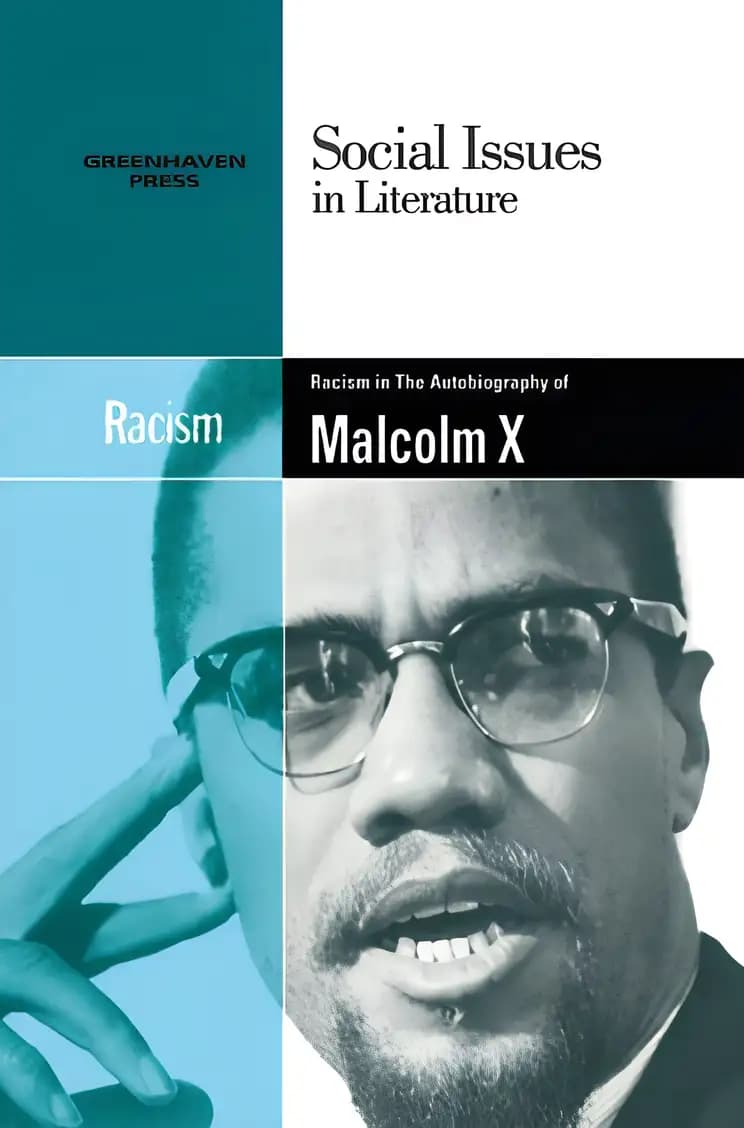
Racism in the Autobiography of Malcolm X (Social Issues in Literature)
Social Issues In Literature Series
on Goodreads (14)
What’s inside...
Racism in the Autobiography of Malcolm X (Social Issues in Literature) by Candice Mancini is a critical exploration of the racial themes and issues presented in Malcolm X's seminal work. Mancini examines the historical context of racism during Malcolm X's life, analyzing how it shaped his identity, activism, and the broader civil rights movement. The book delves into the complexities of Malcolm X's experiences with racism, from his early encounters with discrimination to his evolving perspectives on race relations in America. Through a literary lens, Mancini discusses the impact of Malcolm X's autobiography on social discourse and its enduring relevance in conversations about race and justice. The summary encapsulates the book's investigation into the profound influence of racism on an individual's life and the collective struggle for equality.
Series reading
Non-Sequential
Age
15-17
Length
224 pages
Text complexity
Discussion points
How do you think Malcolm X's experiences as a young person shaped his views on race and equality?
What are some ways that Malcolm X tried to bring about change in society? Do you think these methods were effective?
How do the themes of racism and justice in the book relate to the world today?
What can we learn from Malcolm X's approach to overcoming personal and societal challenges?
Why is it important to understand different perspectives, like that of Malcolm X, when discussing social issues?
Tip: Role play these questions
Encourage your child to express their thoughts and feelings about the book, relating it to their own experiences. Listen actively and validate their emotions to create a safe space for open discussion. Challenge them to think critically by asking how the book’s messages might apply to current events or their personal life. Use examples from Malcolm X's life to illustrate resilience and the importance of fighting for justice and equality.
Key lessons
Example Lesson: Understanding racism and its impacts
Explanation: The book details Malcolm X’s experiences with racism and how it shaped his life and activism, offering deep insights into the historical and social context of racial discrimination.
Real-World Application: Children can learn to recognize racial injustices in their surroundings and understand the importance of equality and respect for all individuals.
Example Lesson: The power of personal transformation
Explanation: Malcolm X’s journey from a troubled youth to an influential activist highlights the potential for personal growth and change regardless of past mistakes.
Real-World Application: This lesson encourages children to believe in their ability to change and improve themselves and their circumstances through education and perseverance.
Example Lesson: Importance of education and self-awareness
Explanation: The autobiography emphasizes Malcolm X’s self-education and the pivotal role knowledge played in his life, illustrating the transformative power of education.
Real-World Application: Children are encouraged to pursue knowledge and be aware of their cultural heritage and history, fostering a sense of identity and self-worth.
Example Lesson: Activism and advocacy for justice
Explanation: Malcolm X’s commitment to fighting for equal rights demonstrates the importance of standing up against injustice and advocating for social change.
Real-World Application: This imparts the value of activism, encouraging children to speak out against unfair treatment and to contribute positively to their communities.