
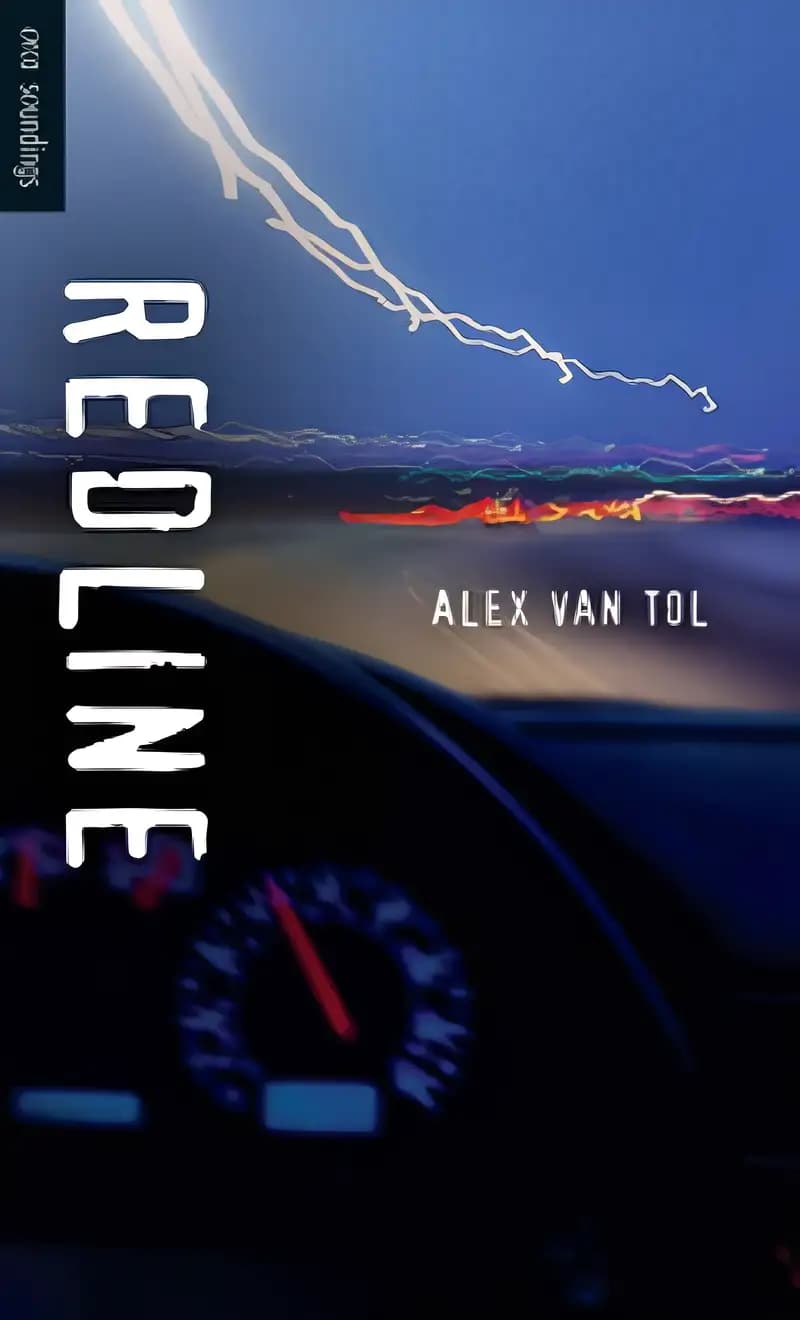
Redline (Orca Soundings)
Orca Soundings Series
on Goodreads (35)
What’s inside...
Jenessa escapes to the sanctuary of her car and the freedom of the open road, where she can outrun her memories, if only for a while. She finds a kindred spirit in Dmitri, a warm-hearted speed demon who races at the track. But when Jenessa falls in with a group of street racers—and its irresistible leader, Cody—she finds herself caught up in a web of escalating danger. When her penchant for risk-taking spirals out of control, Jenessa has to find a way to break the self-destructive patterns she's built—before anyone else gets hurt.
Series reading
Non-Sequential
Age
12-17
Length
136 pages
Text complexity
Character compass
Jenessa
Jenessa'S Father
Discussion points
What emotions did you feel when reading about the main character's challenges and achievements?
How do you think teamwork and trust played a role in the story?
What would you have done differently if you were in the main character's situation?
How do you think the main character changed from the beginning to the end of the book?
Can you think of a time when you faced a similar challenge? What did you do?
Tip: Role play these questions
Encourage your child to express their thoughts and feelings about the book openly, without fear of judgment. Ask follow-up questions based on their responses to delve deeper into their understanding. Relate the book's themes to real-life situations your child may encounter to make the discussion more relevant. Praise their insights and contributions to the conversation to boost their confidence and engagement.
Key lessons
Example Lesson: Consequences of Actions
Explanation: In 'Redline,' the protagonist confronts the results of engaging in illegal street racing. This narrative thread illustrates the repercussions that follow risky behaviors.
Real-World Application: Children can learn the importance of evaluating risks and making responsible decisions to avoid negative outcomes in their own lives.
Example Lesson: The Value of Friendship
Explanation: Throughout the book, the importance of supportive relationships is highlighted as friends help each other navigate difficult situations.
Real-World Application: This lesson teaches children to appreciate and foster strong, positive friendships that contribute to mutual growth and support.
Example Lesson: Personal Responsibility
Explanation: The main character faces a crucial point where taking personal responsibility for his actions becomes essential for correcting past mistakes.
Real-World Application: Kids can apply this understanding by acknowledging their own mistakes and learning how to take responsibility in everyday situations.
Example Lesson: The impact of Peer Pressure
Explanation: The story demonstrates how peer pressure can lead individuals to make poor choices, emphasizing the need for individual critical thinking.
Real-World Application: Children can learn to assess advice or urges from peers against their personal values and the potential consequences discussed with trusted adults.