
Save the School Bus!
#10 in Adventures in Bikini Bottom Series
What’s inside...
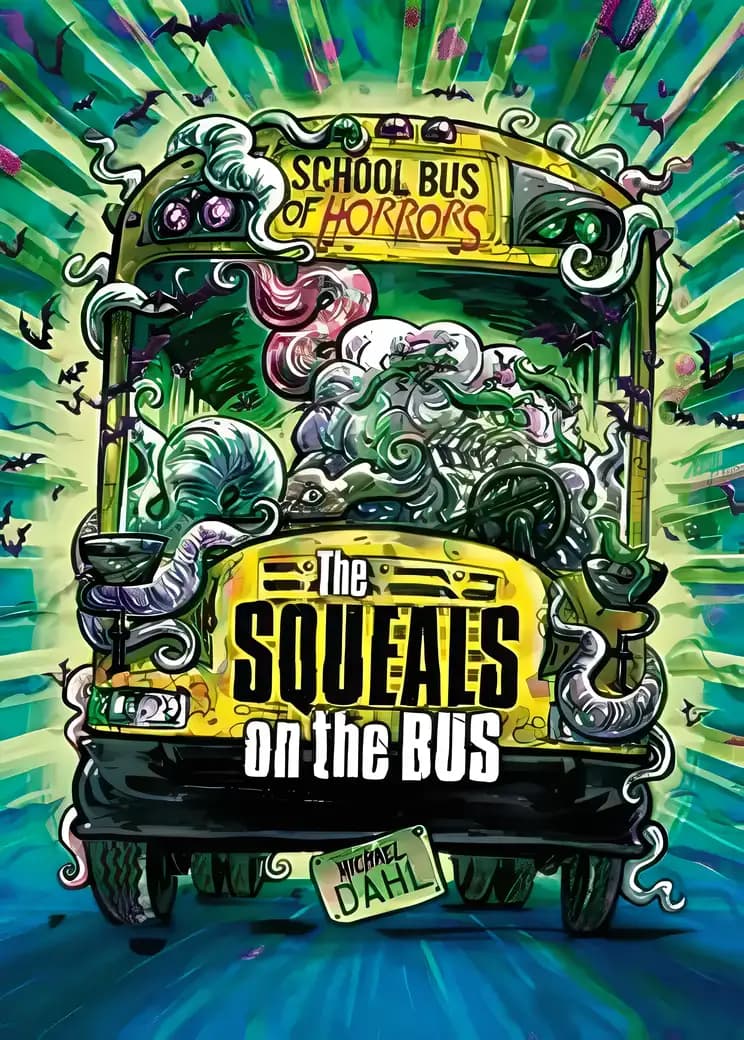
The PAW Patrol team embarks on a mission to save a broken-down school bus on the way to Adventure Bay School. They use their problem-solving skills and teamwork to repair the bus and ensure their classmates arrive at school on time. In a separate story from 'SCHOOL BUS OF HORRORS' by Michael Dahl, a young boy boards a school bus filled with unusual passengers including a student with an extra eye, one with a tail, and another with lizards for hair. The journey to school is filled with creepy surprises, making for an unpredictable ride.
Discussion points
Why do you think teamwork was important in saving the school bus?
What would you have done if you were in the story?
How did the characters feel when they worked together?
What are some ways you help your friends like the characters in the book?
Can you think of a time when you needed help and someone helped you like in the story?
Tip: Role play these questions
Use expressive voices for different characters to make the story more engaging and distinguishable for the child.
Ask your child to predict what might happen next in the story before turning the page.
After reading the book, encourage your child to draw a scene or a character from the book and explain their drawing.
Relate the story’s themes of cooperation and teamwork to real-life situations in your child’s experiences at school or in sports.
Compliment your child's responses to encourage more detailed thinking and communication.
Key lessons
Example Lesson: Teamwork
Explanation: The story showcases a group of students working together to save their school bus, emphasizing the importance of collaboration and collective problem-solving.
Real-World Application: Children can apply the concept of teamwork in group projects at school or in sports, learning that collective effort often leads to successful outcomes.
Example Lesson: Problem-solving
Explanation: As the characters in the book devise creative solutions to save the school bus, it highlights how thinking outside the box can resolve issues.
Real-World Application: Kids can use problem-solving skills in daily challenges, such as resolving conflicts with friends or figuring out how to manage their time for homework.
Example Lesson: Responsibility
Explanation: The children take responsibility for the well-being of their school bus, demonstrating the importance of caring for communal property and assets.
Real-World Application: This lesson can inspire children to take responsibility for their belongings and shared spaces, such as cleaning up after playing in a park or taking care of classroom materials.
Example Lesson: Civic Engagement
Explanation: By actively participating in a community issue, the characters model how engagement can lead to positive changes, fostering a sense of community and civic pride.
Real-World Application: Children can be encouraged to engage in local community activities, like neighborhood clean-ups or charity events, understanding their impact on their environment.
Example Lesson: Persistence
Explanation: Despite facing obstacles, the characters persist in their mission to save the school bus, showcasing the value of perseverance in achieving goals.
Real-World Application: Kids can apply persistence in their personal goals, be it learning a new skill or improving in a subject at school, realizing that consistent effort is key to success.