
Seven Ways to Trick a Troll
What’s inside...
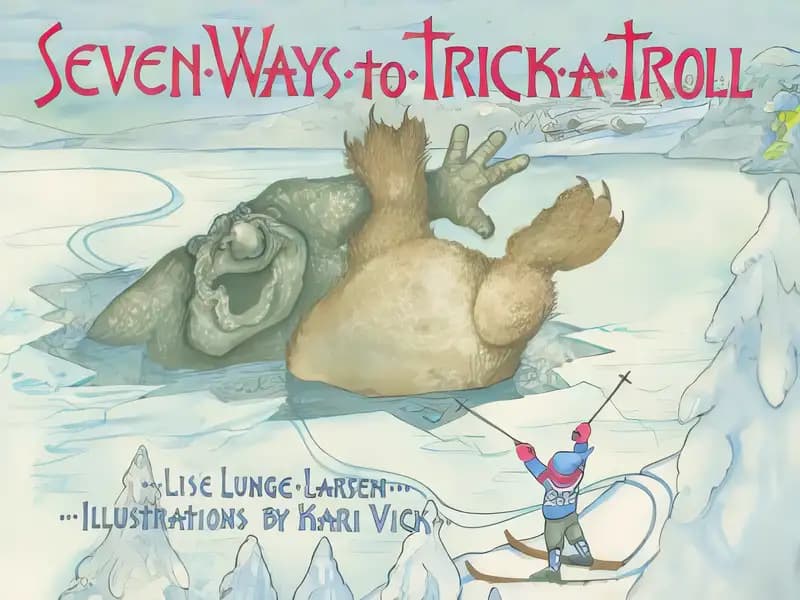
Trolls are dangerous creatures, but their small brains make them easily outwitted by even small children. This collection of stories reveals various ways to trick trolls, such as exploiting their hatred for loud noises or their tendency to be easily distracted. Drawing from historical and international sources, 'Seven Ways to Trick a Troll' provides helpful strategies and emphasizes human qualities like patience, kindness, courage, and quick thinking, which are effective in overcoming not just trolls but also other fearsome challenges.
Age
8-12
Length
96 pages
Text complexity
Discussion points
What do you think makes trolls so tricky in the stories?
How did the characters use their cleverness to avoid troll tricks?
Can you think of a time when you had to use your wit or cleverness to solve a problem?
Which troll-tricking strategy was your favorite, and why?
How do you think the story would change if the troll was friendly from the beginning?
Tip: Role play these questions
Encourage your child to reflect on each strategy used in the book, asking how they might use similar tactics in daily challenges.
Use expressive reading to bring scenes to life, particularly parts where characters outsmart the trolls—this makes discussions more lively and engaging.
Relate the trolls' behaviors to real-life conflicts or challenges, guiding your child to draw parallels and learn from the characters' resilience.
Ask your child to imagine a new character that could join the story, encouraging creative thinking about how they would interact with the trolls.
After discussing the book, collaborate on creating a small drawing or writing a short story featuring a troll, using ideas from your discussion.
Key lessons
Example Lesson: Problem-solving and ingenuity
Explanation: The book showcases various characters cleverly handling situations with trolls, demonstrating different ways to solve problems.
Real-World Application: Children can apply these strategies in conflicts or challenges, learning to think creatively and find multiple solutions.
Example Lesson: The importance of kindness
Explanation: Characters in the book often use kindness to trick or disarm the trolls, highlighting that compassion can be powerful.
Real-World Application: This teaches children that kindness can defuse tense situations and can be a tool in dealing with difficult people or bullies.
Example Lesson: Courage and facing fears
Explanation: The stories involve characters confronting fearsome trolls, symbolizing overcoming fears.
Real-World Application: Children learn the value of facing their fears, whether it's trying new activities or standing up for themselves or others.
Example Lesson: Wisdom over brute force
Explanation: The tales emphasize using wit rather than force to deal with trolls, suggesting that intellect and cleverness are valuable assets.
Real-World Application: This can encourage children to use their brains over brawn when solving problems or dealing with everyday disputes.
Example Lesson: Cultural storytelling
Explanation: The book taps into Scandinavian folklore, presenting various mythical scenarios and creatures.
Real-World Application: Children are exposed to global cultures through engaging stories, which can enhance their understanding and appreciation of different cultural backgrounds.