
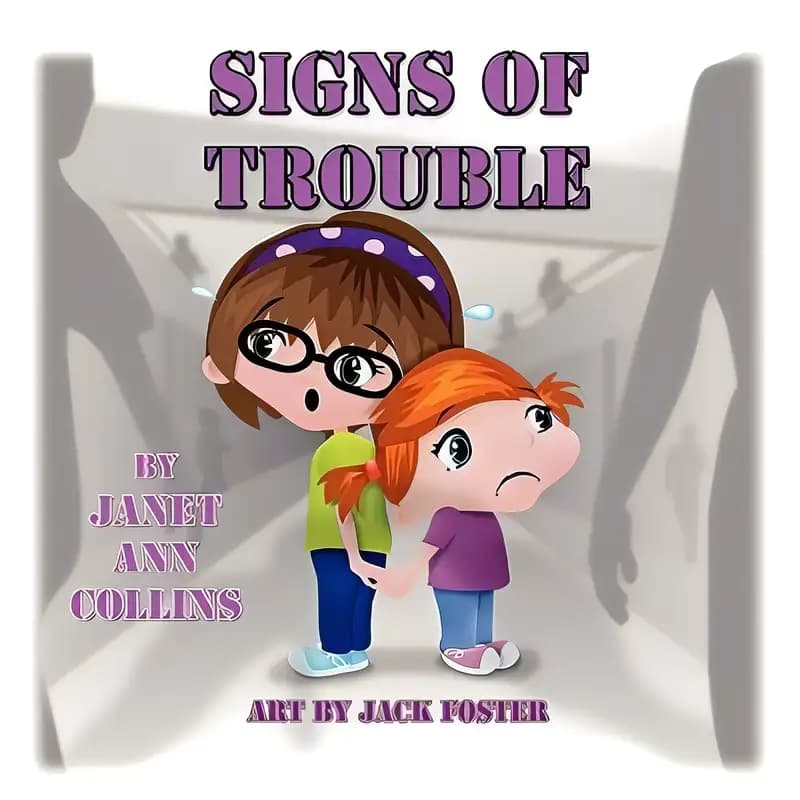
Signs of Trouble
What’s inside...
Children with learning disabilities get separated from their Special Education class on a field trip and use what they've learned to get reunited with them. The included activities can help children learn safety rules, understanding of people with special needs, basic reading skills, and creative writing skills. Suggested age for readers: 3-8
Age
8-12
Length
24 pages
Text complexity
Discussion points
What do you think the main characters felt when they encountered trouble signs?
How did the characters handle their challenges? Would you have done anything differently?
Why do you think it's important to recognize and understand signs of trouble?
What are some signs of trouble that you have seen, and what did you do about them?
How can we help others who might be facing trouble that we notice?
Tip: Role play these questions
Start the conversation by asking your child how they felt about the book. This opens up a dialogue about feelings and viewpoints.
Relate real-life scenarios similar to the ones in the book to your child's experiences. This helps make the book's messages more relevant and understandable.
Encourage your child to think about what lessons they can take from the story. Discuss what these lessons mean for their everyday life.
Use expressions or moods from the book to discuss non-verbal signs of trouble. It’s a good way to teach children about empathy and emotional intelligence.
Acknowledge your child’s responses without judgment, affirming their feelings and opinions to boost their confidence in discussing complex topics.
Key lessons
Example Lesson: Empathy and Understanding
Explanation: In 'Signs of Trouble', the protagonist learns to understand and empathize with peers who are different, encouraging inclusivity.
Real-World Application: Children can apply this lesson by embracing diversity in their schools and communities, fostering a more inclusive environment.
Example Lesson: Courage to Stand Up for What is Right
Explanation: The book illustrates the protagonist standing up against bullies, showcasing the importance of courage and integrity.
Real-World Application: This encourages children to bravely confront bullying and unfair situations they witness or experience.
Example Lesson: Importance of Communication
Explanation: Through the plot, 'Signs of Trouble' highlights the challenges and triumphs of effective communication, especially when resolving conflicts.
Real-World Application: Kids learn to express their feelings and thoughts clearly and respectfully in their interactions.
Example Lesson: Problem Solving Skills
Explanation: The characters in the story face challenges that they solve using teamwork and critical thinking, demonstrating the value of cooperation.
Real-World Application: Children are prompted to use similar collaborative and critical thinking strategies in school projects and group activities.
Example Lesson: Resilience through Adversity
Explanation: As the characters overcome obstacles, they show resilience, a key theme throughout the story.
Real-World Application: This teaches children to persevere through their own challenges, understanding that hardship can lead to personal growth.