
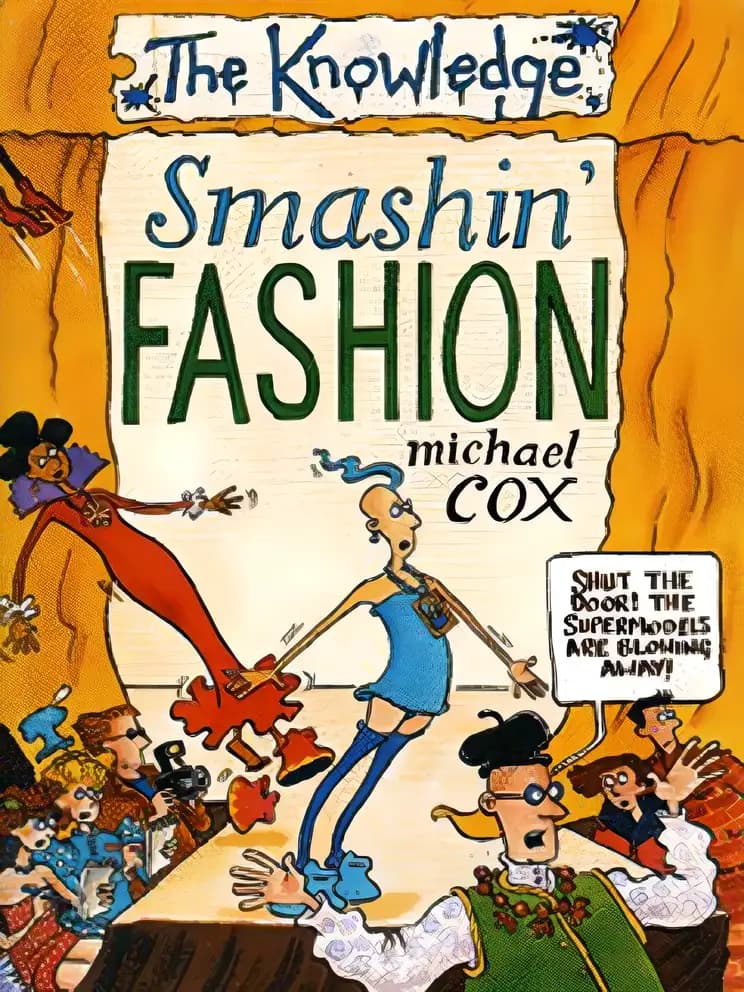
Smashin' Fashion (Knowledge)
#3 in The Knowledge Series
on Goodreads (70)
What’s inside...
This guide explores the history of fashion, showcasing styles from past and present. It features unique clothing items such as a hat that incited a riot and unusually long shoes. The guide also introduces a designer who incorporated unconventional materials like rubber, zips, and safety pins into fashion, and encourages readers to create their own fashion collection.
Discussion points
What is your favorite outfit from the book and why do you like it?
How do you think the characters felt when they tried on different outfits?
If you could design your own outfit, what would it look like and why?
How do the outfits in the book help us understand more about different cultures and people?
How does changing outfits change the way the characters act or feel in the story?
Tip: Role play these questions
Encourage your child to describe their favorite outfit from the book and express what they like about it.
Discuss the emotions associated with different outfits in the book, and relate them to feelings they experience when wearing something special or new.
Invite your child to draw or describe an outfit they would love to create for themselves, discussing colors, styles, and what makes it unique.
Explore the cultural significance of different outfits in the book, perhaps comparing them to traditional clothing they may know or have seen.
Reflect on the changes in characters' confidence or behavior with different outfits, prompting your child to think about how clothes make them feel.
Key lessons
Example Lesson: Creativity and Self-Expression
Explanation: The story illustrates the joy of using fashion as a means of self-expression by showcasing characters who dress distinctively and confidently.
Real-World Application: Children can be encouraged to choose their own clothes and accessories, fostering a sense of autonomy and confidence in expressing themselves through their personal style.
Example Lesson: Respecting Differences
Explanation: As characters in the book display varied fashion senses, it teaches that everyone has their own unique style and that these differences should be celebrated, not criticized.
Real-World Application: This lesson can be applied in social interactions at school or in playgroups, where children learn to appreciate and respect the diverse styles and preferences of their peers.
Example Lesson: Inclusion and Acceptance
Explanation: The narrative promotes an inclusive atmosphere by featuring a variety of fashion styles from different cultures and subcultures, showing children that all forms of expression are valid.
Real-World Application: Kids are encouraged to be inclusive and open-minded towards classmates who might dress differently due to cultural or personal reasons, thereby promoting a more accepting community.
Example Lesson: Confidence Building
Explanation: The characters' bold fashion choices encourage children to be confident in their decisions and to stand out rather than conform, illustrating the strength in being true to oneself.
Real-World Application: Children learn to trust their own decisions, be it in selecting an outfit for a school event or in other aspects of their lives, enhancing general self-esteem and individuality.