
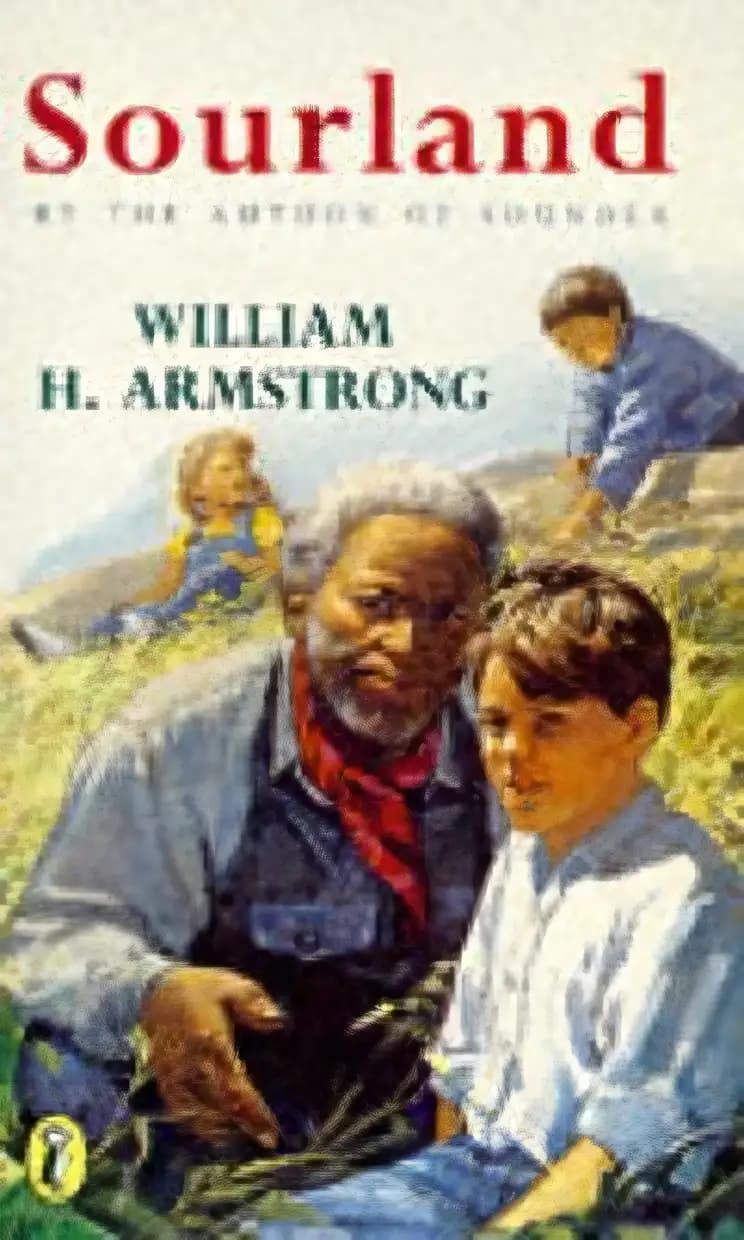
Sour land,
Harper Trophy Books (Paperback) Series
What’s inside...
The three Stone children are grieving the death of their mother when Moses Waters comes to work on their farm. Moses is very special and he seems to have an understanding of the children's loss. But the townsfolk object to the white Stone family's friendship with the black teacher Moses. Another great novel by the Newbery Medal-Winning Author of 'Sounder'.
Series reading
Non-Sequential
Age
9-12
Length
112 pages
Text complexity
Discussion points
How did the challenges faced by the characters in the story make you feel?
What would you have done differently if you were in the main character's shoes?
How do you think the setting of the story influenced the events that occurred?
What are some ways the characters showed strength and resilience?
Why is it important to understand and learn about different historical periods and struggles?
Tip: Role play these questions
Set a comfortable and quiet environment to encourage open and focused discussions.
Show genuine interest in your child’s responses, and ask follow-up questions based on their answers to dig deeper into their thoughts.
Relate the story's themes to your child’s own life experiences to help them connect with the material.
Highlight the moral and lessons learned from the story to instill values and encourage empathy.
Encourage your child to ask their own questions about the story to foster curiosity and critical thinking.
Key lessons
Example Lesson: Resilience in adversity
Explanation: Sour Land tells the story of a young boy who navigates the challenges of growing up in a segregated society. Despite facing numerous obstacles, he demonstrates persistence and determination.
Real-World Application: Children can learn the importance of overcoming obstacles and continuing to strive towards their goals, no matter the challenges they face in school or in social settings.
Example Lesson: Importance of family and community support
Explanation: The protagonist finds strength and guidance through the support of his family and close-knit community, showcasing the power of these bonds.
Real-World Application: This lesson underlines the value of seeking support from family and friends when facing difficult times and encourages children to appreciate and rely on their own support systems.
Example Lesson: Social awareness and empathy
Explanation: Through the experiences of the young protagonist, readers gain insights into the injustices of racial segregation and the impact it has on individuals and communities.
Real-World Application: The book provides a platform for parents and educators to discuss historical social issues and current events, fostering a sense of empathy and understanding towards people from different backgrounds and communities.
Example Lesson: Value of education and knowledge
Explanation: Despite the societal limitations placed on him, the protagonist aspires for education and knowledge, understanding their power to change his circumstances.
Real-World Application: Children are encouraged to value their education and see it as a tool for personal and social improvement, motivating them to pursue learning with enthusiasm.
Example Lesson: Courage to challenge unjust systems
Explanation: The story highlights the protagonist's bravery in questioning and resisting racial inequalities, inspiring readers to stand up against injustices.
Real-World Application: This teaches children the importance of speaking out against unfair treatment, advocating for themselves and others in their community, at school, or other facets of life.