
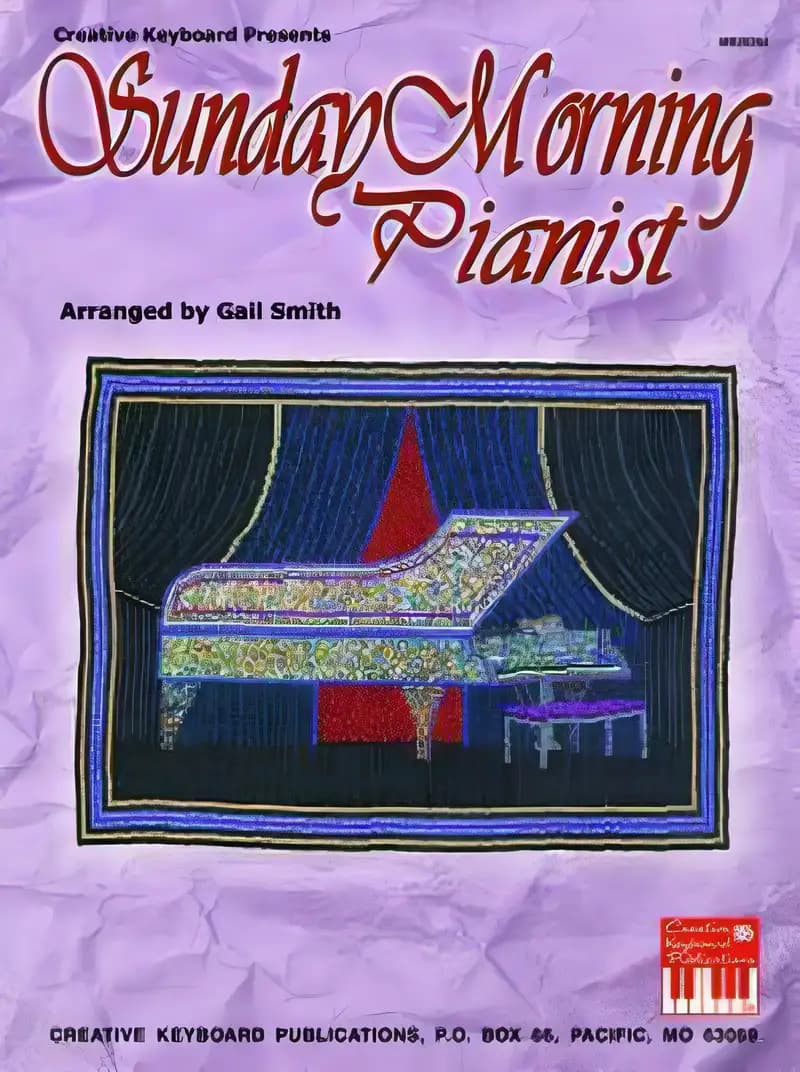
Sunday Morning Pianist
#1 in Creative Keyboard Series
on Goodreads (1)
What’s inside...
This collection of 34 hymns, two with variations, is separated into five groups: treasured hymns with a story; pentatonic hymns; hymns by women composers; gospel, ragtime, patriotic and jazz hymns; variations of hymns.
Discussion points
How do you think the main character feels when playing the piano on a Sunday morning?
What part of the story did you enjoy the most and why?
If you could choose an instrument to play on Sunday mornings, which one would it be and why?
How do you think music can affect our mood and feelings?
What does this story teach us about practice and dedication?
Tip: Role play these questions
Create a cozy reading environment that mimics the calm of a Sunday morning, perhaps with gentle background music to set the scene.
Ask your child to describe their feelings and thoughts as they listen to or imagine the music described in the book.
Encourage your child to relate the story to their personal experiences with music or learning a new skill.
Discuss the discipline of regular practice and how it applies to other areas of learning and personal growth.
After reading, consider having a fun music session with your child, using simple instruments or household items to create music.
Key lessons
Example Lesson: Persistence pays off
Explanation: The protagonist practices piano diligently every Sunday morning despite initial difficulties, illustrating perseverance.
Real-World Application: Children learn the value of consistent effort in mastering a skill, which they can apply to schoolwork, sports, or learning a new hobby.
Example Lesson: The joy of music
Explanation: As the character progresses in playing the piano, they experience the joy and satisfaction that comes from making music.
Real-World Application: This can encourage children to explore their own musical interests or appreciate the arts more broadly, fostering a lifelong love of music.
Example Lesson: Overcoming stage fright
Explanation: The protagonist overcomes their fear of performing in front of an audience during a recital.
Real-World Application: Children learn techniques to manage anxiety and build confidence in public speaking or performing, which is beneficial in school presentations and other public forums.
Example Lesson: Importance of support
Explanation: Family members support the protagonist by attending performances and encouraging practice, highlighting the role of a supportive environment.
Real-World Application: This teaches children the importance of supporting others’ interests and how such encouragement can help someone succeed.
Example Lesson: Setting and achieving goals
Explanation: The young pianist sets a personal goal to learn a particularly challenging piece, achieving it by the story’s end.
Real-World Application: Children learn to set attainable goals and the steps needed to achieve them, which is a valuable skill for their academic and personal growth.