
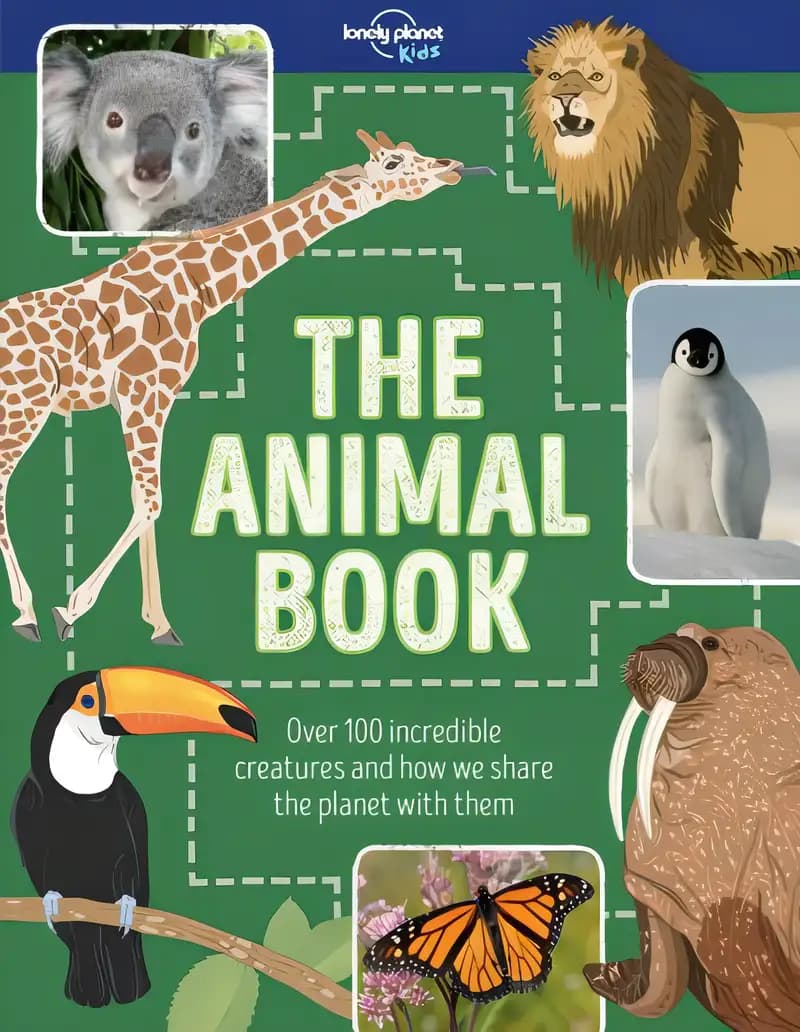
The Animal Book (The Fact Book)
Lonely Planet Kids Series
What’s inside...
Lonely Planet Kids' The Animal Book is a beautifully illustrated encyclopedia that explores the animal kingdom across all continents. It features over 100 incredible creatures, including the grey wolf, green anaconda, bald eagle, and emperor penguin. The book provides insightful facts and illustrations about these animals, their habitats, and the impact of human activities on their lives. It also highlights conservation efforts and how children can help protect wildlife and the planet. Organized by continent, The Animal Book is an educational journey through the diverse and fascinating world of animals, aimed at inspiring and educating children about the natural world.
Series reading
Non-Sequential
Age
9-12
Length
164 pages
Text complexity
Discussion points
What's your favorite animal in the book, and what is something new you learned about it?
How do the habitats differ for each animal, and why do you think those environments are suited for them?
If you could talk to one of the animals from the book, what questions would you ask it?
How do you think we as humans can help protect these animals?
Imagine creating your own animal; what would it look like and where would it live?
Tip: Role play these questions
Use expressive reading to mimic animal sounds or actions mentioned in the book to make the reading experience more engaging and fun.
Pause after introducing a new animal to ask your child what they know or think about this animal before reading about it.
Relate the animals in the book to real-life experiences or visits to the zoo, to bridge the connection between the book and the real world.
After reading, encourage your child to draw their favorite animal from the book and explain why they chose it.
Discuss the importance of animal conservation and what actions your family can take to help protect wildlife.
Key lessons
Example Lesson: Diversity and Inclusion
Explanation: The book features various animals from different habitats, showcasing the vast diversity in the animal kingdom.
Real-World Application: Children learn to appreciate and respect differences in creatures and people, promoting inclusivity in their daily interactions.
Example Lesson: Interdependence of Ecosystems
Explanation: The narrative explains how different animals play specific roles in their environments, highlighting the interconnectedness of nature.
Real-World Application: This lesson helps children understand the importance of every role in their community, fostering a sense of responsibility towards maintaining balance in their surroundings.
Example Lesson: Conservation and Responsibility
Explanation: Through engaging facts about endangered species, the book teaches the importance of conservation efforts.
Real-World Application: Children are encouraged to engage in environmentally friendly practices like recycling and conserving water, understanding their impact on the planet.
Example Lesson: Curiosity and Learning
Explanation: The book is packed with intriguing facts that stimulate questions and curiosity about the natural world.
Real-World Application: Promotes a lifelong love for learning, encouraging children to explore, ask questions, and seek knowledge beyond the classroom.
Example Lesson: Empathy towards Animals
Explanation: By sharing detailed lives and struggles of animals, this book fosters a sense of empathy and caring for other living beings.
Real-World Application: Children learn to treat animals with kindness and consideration, which can extend to their interactions with peers and adults.