
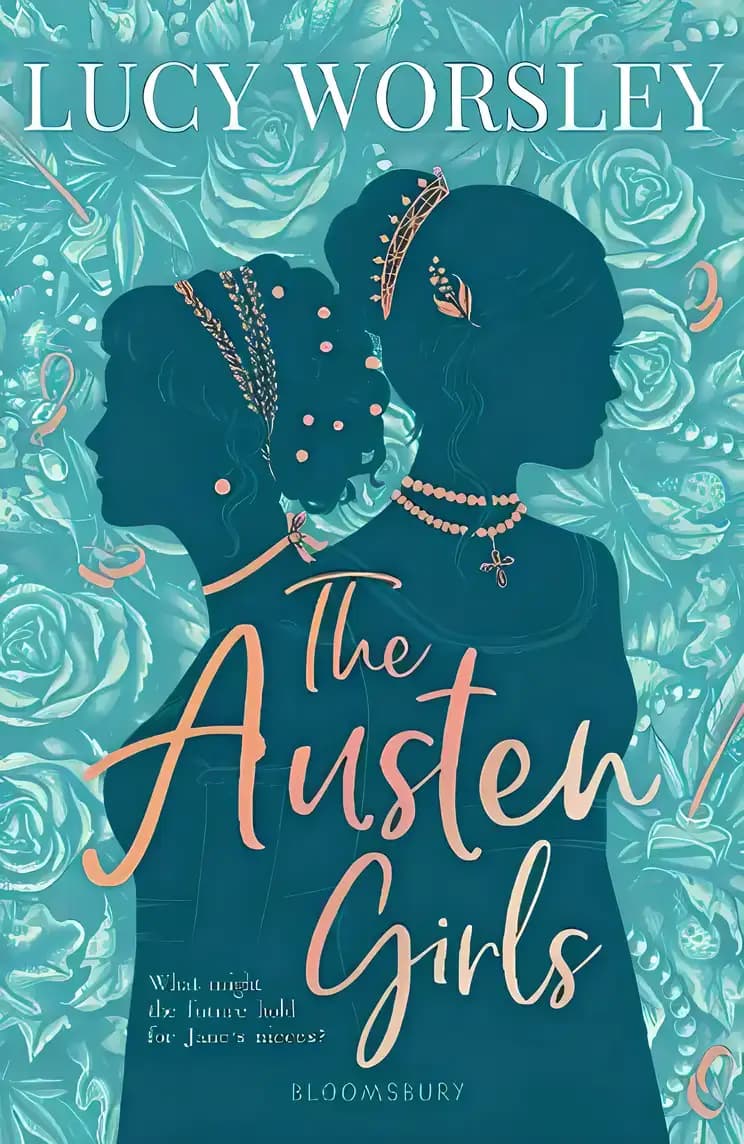
The Austen Girls
on Goodreads (1,155)
What’s inside...
The Austen Girls follows the adventures of Fanny and Anna Austen, nieces of the famous English novelist Jane Austen. As they navigate the complex social mores and challenges of early nineteenth-century society, they also embark on uncovering a mysterious family secret that could change their futures forever. By turns thrilling, dramatic and inspiring, this is the story of Jane Austen's life as you've never heard it before. It is 1809 and Fanny and Anna have just been launched on to the ruthless Regency marriage market by Fanny's mother. But luckily their mysteriously wealthy Aunt Jane is there to guide them and help them make better choices, advising them not to get married at all. Jane plays detective to help them rescue a falsely accused friend from being transported to Australia, while Anna impetuously makes and breaks an engagement. Fanny is forced to leave the marriage market when her mother dies and she has to look after ten siblings. She learns the secret of Jane's wealth and self-possession (she is, of course, a writer) and decides to follow in her footsteps.
Age
12-18
Length
289 pages
Text complexity
Character compass
Fanny Catherine Austen Knight
Anna Austen
Jane Austen
Discussion points
How do the characters in 'The Austen Girls' show courage and integrity in challenging situations?
What similarities and differences do you see between your life and the lives of Fanny and Anna?
How do the societal expectations of the time impact the characters' choices and freedoms?
What lessons can we learn about friendship and family from Fanny and Anna's experiences?
How do you think the historical setting of the story influences the characters' decisions?
Tip: Role play these questions
Encourage your child to think about how the characters' decisions might differ if the story was set in today's world.
Discuss the importance of historical context and how it shapes characters' lives and choices.
Point out moments in the book where characters display strong values like honesty and loyalty, and ask your child how they would act in similar situations.
Ask your child about their favorite character and explore what specific traits make that character relatable or admirable.
Use the book as a gateway to discuss broader topics like gender roles and personal freedoms, relating them to both historical and contemporary contexts.
Key lessons
Example Lesson: Importance of family bonds
Explanation: The story emphasizes the strong family connections between the Austen cousins, showcasing how they support and help each other through various challenges.
Real-World Application: Children can learn the value of maintaining close relationships with family members and supporting them during difficult times.
Example Lesson: Resilience in the face of adversity
Explanation: The characters in 'The Austen Girls' face social and personal obstacles, yet they display resilience and determination to overcome these challenges.
Real-World Application: This lesson can encourage children to remain determined and resilient when facing their own challenges, whether in school or in personal situations.
Example Lesson: Critical thinking and making informed decisions
Explanation: Throughout the book, the cousins are often faced with decisions that require critical thinking and weighing the consequences of their actions.
Real-World Application: Children can apply this lesson by learning to think critically and make informed decisions in their everyday life, enhancing their problem-solving skills.
Example Lesson: Empathy and understanding others
Explanation: The narrative provides insights into the thoughts and feelings of various characters, fostering a sense of empathy and understanding.
Real-World Application: This can teach children to be more empathetic and considerate towards the feelings and situations of others around them.
Example Lesson: The role of women in society
Explanation: The book portrays various challenges faced by women during the Regency period, highlighting themes of gender roles and expectations.
Real-World Application: This can spark discussions about gender equality and encourage children to reflect on how the roles of women have evolved and continue to change.